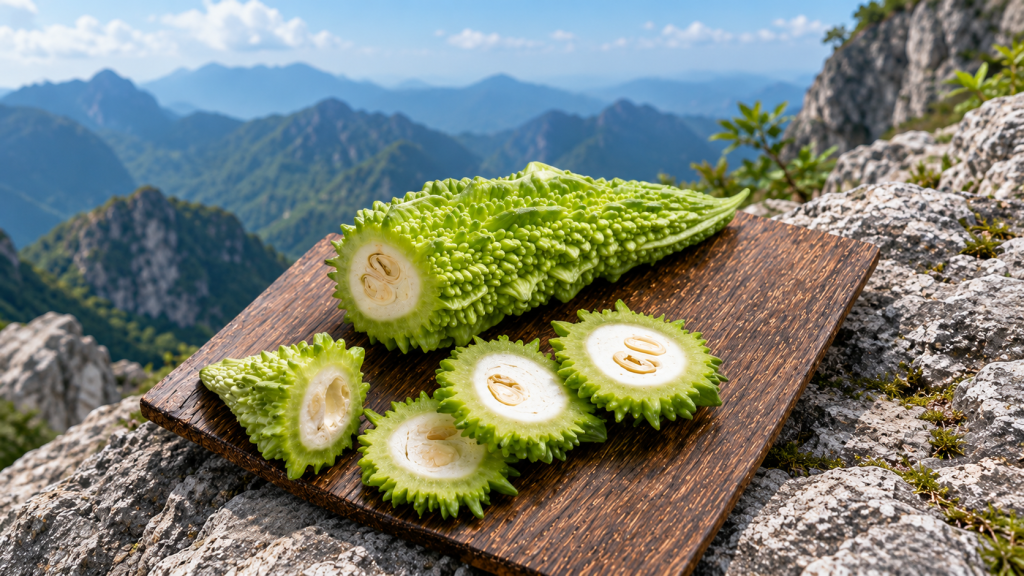
Bitter melon, also known as bitter gourd, is a unique tropical vine valued for its distinctive bitter flavor, edible fruit, and traditional culinary uses. Scientifically known as , this fast-growing plant belongs to the cucumber family, Cucurbitaceae. It is widely grown in tropical and subtropical regions and is especially popular in Asian, African, Caribbean, and Latin American cuisines.
Table of Contents
- 1. What Is Bitter Melon? Types and Classification
- 2. Bitter Melon Benefits
- 3. How to Use Bitter Melon
- 4. Nutritional Value of Bitter Melon
- 5. Who Can Benefit from Eating Bitter Melon?
- 6. Who Should Be Careful with Bitter Melon?
- 7. Bitter Melon Safety and Precautions
- 8. How to Grow Bitter Melon Successfully
- 9. When to Harvest Bitter Melon
- 10. Conclusion
1. What Is Bitter Melon? Types and Classification
Bitter melon (Momordica charantia) is a tropical climbing vine in the cucumber family (Cucurbitaceae). It is known for its distinctive bitter taste and warty green skin. Bitter melon is widely grown as a food crop and is also used in traditional herbal practices.
Types of Bitter Melon
Bitter melon varieties are commonly classified into several groups based on fruit size, shape, color, and origin:
| Bitter Melon Type | Characteristics |
|---|---|
| Chinese Bitter Melon | Large, long fruits with light green skin and relatively mild bitterness. |
| Indian Bitter Melon | Smaller fruits with deep ridges and a stronger bitter flavor. |
| Small Bitter Melon | Short, compact fruits that are often intensely bitter. |
| White Bitter Melon | Pale green to white fruits with a generally milder flavor. |
| Hybrid Bitter Melon | Modern varieties bred for higher yields, larger fruits, disease resistance, or better adaptability. |
2. Bitter Melon Benefits
Based on traditional practices and scientific research, bitter melon may offer the following potential benefits:
- May Support Healthy Blood Sugar Levels
Certain plant compounds in bitter melon have been studied for their potential role in glucose metabolism and maintaining healthy blood sugar levels.
- Rich in Antioxidants
Bitter melon provides vitamin C and other plant compounds with antioxidant properties that may help protect cells from oxidative stress.
- May Support Digestive Health
The dietary fiber in bitter melon may help support healthy digestion and regular bowel movements as part of a balanced diet.
- Provides Essential Nutrients
Bitter melon contains vitamin C, folate, and several minerals, making it a nutritious addition to a varied and balanced diet.
- May Support Heart Health
Its fiber and antioxidant compounds may contribute to a heart-healthy eating pattern when combined with a balanced diet and healthy lifestyle.
- May Support Healthy Weight Management
Bitter melon is relatively low in calories and can be included in balanced meals as part of a healthy approach to weight management.
3. How to Use Bitter Melon
Bitter melon can be enjoyed in several ways, from everyday cooking to refreshing drinks and salads. Here are some popular ways to use it:
- In Cooking
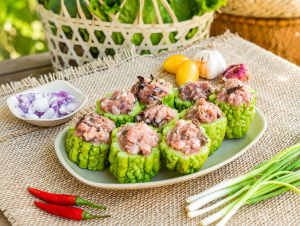
Fresh bitter melon can be sliced and added to soups, stir-fries, or stuffed with meat and vegetables. Cooking helps soften its texture and balance its naturally bitter flavor.
- As Bitter Melon Tea
Dried bitter melon slices can be steeped in hot water to make a mild herbal tea. The tea has a distinctive bitter flavor and can be enjoyed warm or chilled.
- In Salads
Thinly sliced fresh bitter melon can be added to salads with leafy greens, tomatoes, cucumbers, herbs, and a light dressing. Soaking the slices in cold water before serving may help reduce the bitterness.
- As Bitter Melon Juice
Fresh bitter melon can be blended or juiced with ingredients such as cucumber, apple, lemon, or other fruits to create a refreshing drink. Because of its strong bitter taste, it is often combined with milder ingredients.
- As a Dried Ingredient
Bitter melon can be sliced and dried for later use in teas, soups, and traditional preparations. Store dried slices in an airtight container in a cool, dry place.
4. Nutritional Value of Bitter Melon
Bitter melon, also known as bitter gourd, is a low-calorie vegetable that provides a variety of essential nutrients and beneficial plant compounds. It is commonly used in Asian cuisine and traditional herbal practices and can be enjoyed in soups, stir-fries, salads, teas, and other preparations.
Approximately 100 grams of fresh bitter melon provides:
| Nutrient | Approximate Amount |
|---|---|
| Calories | 17 kcal |
| Water | 93–94 g |
| Carbohydrates | 3–4 g |
| Dietary Fiber | 2–3 g |
| Protein | About 1 g |
| Fat | Less than 0.2 g |
| Vitamin C | 80–85 mg |
| Folate (Vitamin B9) | A notable amount |
| Vitamin A | A small amount |
| Potassium | 290–300 mg |
| Calcium | 15–20 mg |
| Magnesium | 15–20 mg |
| Iron | 0.4–0.5 mg |
5. Who Can Benefit from Eating Bitter Melon?
- People Looking for Low-Calorie Vegetables
- People Who Want More Dietary Fiber
- People Interested in Vitamin C-Rich Foods
- People Managing Their Overall Blood Sugar-Friendly Diet
- People Who Enjoy Traditional Asian Foods
- People Looking to Add More Plant-Based Foods
6. Who Should Be Careful with Bitter Melon?
- People Taking Blood Sugar-Lowering Medications
- Pregnant Women
- People with Low Blood Sugar
- People Taking Multiple Medications
- People with Digestive Sensitivity
- People Considering Bitter Melon Supplements
7. Bitter Melon Safety and Precautions
- May Affect Blood Sugar Levels
- Use Caution During Pregnancy
- Avoid Excessive Consumption
- Be Careful with Bitter Melon Supplements
- Consider Possible Medication Interactions
- Stop If Unwanted Reactions Occur
- Do Not Use Bitter Melon as a Substitute for Medical Treatment
- Choose Fresh and Properly Prepared Bitter Melon
8. How to Grow Bitter Melon Successfully
Bitter melon is a warm-season vine that grows best in hot, sunny weather. With the right growing conditions, you can grow healthy plants and enjoy a good harvest at home.
- 1. Choose the Right Location
Select a sunny spot that receives at least 6–8 hours of direct sunlight each day. Bitter melon grows best in warm temperatures and fertile, well-draining soil.
- 2. Prepare the Soil
Before planting, mix compost or well-rotted organic matter into the soil. The soil should be rich in nutrients and drain well to prevent water from accumulating around the roots.
- 3. Plant the Seeds
Soak bitter melon seeds in warm water for several hours before planting to help soften the seed coat. Plant the seeds about ½–1 inch deep and keep the soil consistently moist. Seeds usually germinate faster in warm conditions.
- 4. Provide a Strong Trellis
Bitter melon is a vigorous climbing vine. Install a sturdy trellis or support system early in the growing season so the vines can climb upward and receive good air circulation.
- 5. Water and Fertilize Regularly
Water deeply when the soil begins to dry, but avoid overwatering. Apply a balanced fertilizer or compost periodically to support healthy vine growth and fruit production.
- 6. Harvest at the Right Time
Harvest bitter melon when the fruits are fully developed but still green and firm. Regular harvesting can encourage the plant to continue producing new fruits throughout the growing season.
Note: To encourage bitter melon plants to produce more fruit, make sure they receive at least 6–8 hours of sunlight each day and keep the soil consistently moist but well-drained. Use a sturdy trellis to support the vines and improve air circulation. Avoid excessive nitrogen fertilizer, as it may encourage leafy growth instead of flowers and fruit. Add compost or a balanced fertilizer during the growing season. Harvest young, firm fruits regularly to encourage continued production. If the plant produces flowers but has poor fruit set, hand-pollination can help. Gently transfer pollen from a male flower to a female flower using a small brush in the morning.
9. When to Harvest Bitter Melon
Bitter melon is usually ready to harvest about 12–16 weeks after planting, depending on the variety and growing conditions. The best time to pick the fruit is when it has reached its full size but is still green, firm, and slightly immature. Avoid waiting too long, as mature fruits may turn yellow or orange, become softer, and develop a stronger bitter taste.
Use a clean pair of scissors or pruning shears to cut the fruit from the vine, leaving a short stem attached. Regular harvesting can encourage the plant to produce more fruits throughout the growing season.
10. Conclusion
Bitter melon is a nutritious and versatile vegetable that can be a valuable part of a balanced diet. It provides vitamin C, dietary fiber, potassium, and beneficial plant compounds while remaining naturally low in calories. Its unique bitter flavor makes it popular in soups, stir-fries, salads, teas, and many traditional dishes. Bitter melon is also relatively easy to grow in warm, sunny conditions with proper care and support. Whether you enjoy it as a food or grow it in your home garden, bitter melon offers nutritional value and culinary versatility. As with any food, it is best consumed in moderation as part of a varied and healthy lifestyle.
Bitter Melon FAQ – Quick Questions and Answers
1. What is bitter melon?
Bitter melon is a tropical vine fruit commonly used as a vegetable in Asian cuisine.
2. What is bitter melon called in English?
It is commonly called bitter melon or bitter gourd.
3. What does bitter melon taste like?
Bitter melon has a distinctive bitter flavor that becomes stronger as the fruit matures.
4. What nutrients does bitter melon contain?
It provides vitamin C, dietary fiber, potassium, and other beneficial plant compounds.
5. How do you eat bitter melon?
It can be stir-fried, stuffed, steamed, added to soups, or used in salads and teas.
6. Can you eat bitter melon raw?
Yes, bitter melon can be eaten raw, although cooking can help soften its strong bitter taste.
7. How do you reduce the bitterness of bitter melon?
Soaking sliced bitter melon in salted water or blanching it briefly can help reduce its bitterness.
8. When should you harvest bitter melon?
Harvest bitter melon when the fruit is full-sized, green, and firm, before it becomes yellow or orange.
9. Can you grow bitter melon at home?
Yes. Bitter melon grows well in warm weather, full sunlight, fertile soil, and with a sturdy trellis for support.
10. Who should be careful with bitter melon?
People who are pregnant, take blood sugar-lowering medication, or use concentrated bitter melon supplements should consult a healthcare professional before use.
11. Is bitter melon good for a healthy diet?
Yes. Bitter melon is low in calories and provides vitamin C, fiber, and other nutrients.
12. Can bitter melon be used to make tea?
Yes. Fresh or dried bitter melon can be prepared as a tea, although its flavor is naturally bitter.
13. How long does bitter melon take to grow?
Bitter melon typically takes about 12–16 weeks from planting to the first harvest, depending on the variety and growing conditions.
14. How should fresh bitter melon be stored?
Store fresh bitter melon in the refrigerator, preferably in a breathable bag or container, and use it within several days for the best quality.
15. Can bitter melon be frozen?
Yes. Bitter melon can be sliced, blanched briefly, cooled, and frozen for later use in cooked dishes.
Research Sources: USDA FoodData Central; NIH PubMed; Memorial Sloan Kettering Cancer Center.