
Elderberry is a small, dark-colored berry that has been used in traditional food and herbal practices for generations. The berries come from plants in the Sambucus genus, with European elder (Sambucus nigra) being one of the best-known species. Today, elderberry is widely available in syrups, teas, gummies, capsules, and other products, making it a popular ingredient among people interested in traditional herbs and natural wellness.
In addition to its traditional uses, elderberry plants can be attractive additions to home gardens. Their clusters of small flowers are followed by dark berries that can be harvested and prepared in a variety of ways.
However, elderberry should be used with care. Raw or unripe berries and certain parts of the plant contain compounds that can cause unpleasant symptoms if consumed improperly. Understanding how elderberry is prepared, used, and grown can help you make informed decisions about this versatile plant.
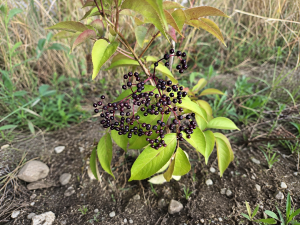
Table of Contents
1. What Is Elderberry?
Elderberry refers to the fruit produced by several species of the Sambucus genus. The most commonly discussed species include European elder (Sambucus nigra) and American elder (Sambucus canadensis), although exact species and varieties can differ by region.
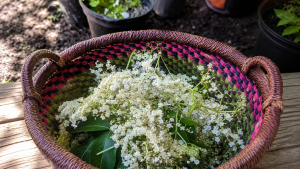
Elderberry plants are generally deciduous shrubs that can grow several feet tall. They produce clusters of small white or cream-colored flowers during the growing season. After flowering, dark purple to nearly black berries develop in clusters.
The ripe berries contain naturally occurring plant compounds, including anthocyanins and other polyphenols. These compounds contribute to the berries’ deep color and are part of the reason elderberry has attracted interest in nutrition and traditional herbal practices.
Elderberries are not usually eaten fresh like blueberries or strawberries. Instead, they are commonly cooked and processed into syrups, jams, jellies, sauces, teas, and other preparations.
2. Elderberry Benefits
Elderberry is best known for its traditional use during seasonal wellness concerns. Research has explored elderberry preparations for several potential health effects, but evidence is still developing, and results can vary depending on the product, dosage, and study design.
Rich in Plant Compounds
Elderberries contain anthocyanins, flavonoids, and other polyphenolic compounds. These naturally occurring substances are found in many colorful fruits and vegetables and are widely studied for their antioxidant properties.
Adding properly prepared elderberry products to a balanced diet may provide a source of beneficial plant compounds. However, elderberry should not be viewed as a replacement for a varied diet rich in fruits, vegetables, whole grains, and other nutrient-dense foods.
Traditionally Used for Immune Support
One of the most popular reasons people use elderberry is to support normal immune function, especially during cold and flu season. Elderberry syrup and other products are commonly marketed for seasonal wellness.
Some small clinical studies have investigated whether elderberry may help reduce the duration or severity of certain upper respiratory symptoms, but the evidence is not strong enough to conclude that elderberry prevents or treats infections.
For this reason, elderberry is best considered a traditional wellness ingredient rather than a proven treatment for illness.
May Support Antioxidant Activity
The anthocyanins and polyphenols found in elderberries have antioxidant activity in laboratory research. Antioxidants help protect cells from oxidative stress caused by unstable molecules known as free radicals.
Eating a variety of plant foods is generally a better strategy for obtaining antioxidants than relying on a single herb or supplement.
Traditional Digestive Uses
Historically, elderberry preparations have been used in traditional herbal practices for general digestive support. Today, elderberries are more commonly consumed as cooked foods, syrups, teas, or other preparations rather than as raw fruit.
Scientific evidence for specific digestive benefits remains limited, so elderberry should not be considered a treatment for digestive disorders.
3. How to Use Elderberry
Elderberry can be used in several forms. The best option depends on personal preference and the type of product available.
Elderberry Syrup
Elderberry syrup is one of the most popular preparations. It is typically made by cooking elderberries with water and combining the resulting liquid with sweeteners and other ingredients.
Commercial elderberry syrups are widely available. If purchasing a prepared product, check the ingredient list and follow the manufacturer’s directions.
Elderberry Tea
Dried elderberries may be used in herbal tea preparations. The berries should be properly prepared and heated rather than consumed raw.
Elderberry tea is often enjoyed as a warm beverage during colder months. Some products may combine elderberry with ingredients such as ginger, cinnamon, or other herbs.
Elderberry Gummies and Supplements
Elderberry is also available in gummies, capsules, lozenges, and liquid extracts. These products can vary significantly in their ingredients and concentrations.
Always read the label carefully and follow the recommended serving instructions. Supplements should not automatically be assumed to be safer or more effective simply because they are labeled “natural.”
Elderberry Jam and Jelly
Cooked elderberries can be incorporated into jams, jellies, sauces, and other foods. Their naturally deep color makes them an attractive ingredient for homemade recipes.
When preparing elderberries at home, use properly identified, ripe berries and cook them thoroughly.
4. Elderberry Safety Precautions
Safety is one of the most important topics when discussing elderberry.
Raw, unripe, or improperly prepared elderberries can contain compounds that may cause nausea, vomiting, abdominal discomfort, or diarrhea. The leaves, stems, and other parts of some elder plants also contain potentially harmful compounds.
For this reason, do not eat raw elderberries in large amounts, and do not consume the leaves, stems, or roots as food.
Proper cooking and preparation are important. If you are harvesting elderberries yourself, make sure you can correctly identify the plant and distinguish edible ripe berries from unripe fruit and other plant parts.
People who are pregnant or breastfeeding, children, or individuals taking prescription medications should talk with a qualified healthcare professional before using concentrated elderberry supplements.
People with chronic health conditions or those taking medications that affect the immune system should also seek professional advice before adding elderberry supplements to their routine.
Elderberry products are not a substitute for medical care. If you have persistent or serious symptoms, consult a healthcare professional rather than relying on herbal products alone.
5. How to Grow Elderberry
Elderberry can be a rewarding shrub to grow in a home garden. Once established, many elderberry plants can grow vigorously under suitable conditions.
Choose the Right Location
Elderberries generally grow best in a location with full sun to partial shade. For the strongest growth and best fruit production, choose a site that receives several hours of direct sunlight each day.
Good air circulation is also helpful. Avoid planting shrubs in areas where water consistently collects after rain.
Prepare the Soil
Elderberries prefer fertile, moist, well-draining soil. Before planting, improve poor soil by incorporating well-rotted compost or other organic matter.
A soil test can help determine whether the planting area needs adjustments. Although elderberries can tolerate a range of soil conditions, extremely dry or waterlogged soil can lead to poor growth.
Plant Elderberry
Elderberry plants can be started from nursery-grown plants, cuttings, or seeds. For home gardeners, purchasing a healthy young plant is often the simplest option.
Dig a planting hole that is wide enough to accommodate the root system without crowding. Place the plant at approximately the same depth at which it was growing in its container.
Backfill with soil, gently firm the area around the roots, and water thoroughly after planting.
If growing multiple plants, provide enough space for mature shrubs to develop. Spacing requirements vary according to the species and cultivar, so check the recommendations provided with your plant.
Water Regularly
Newly planted elderberries need consistent moisture while they establish their root systems. Water deeply when the soil begins to dry, especially during hot or dry weather.
Established plants are generally more tolerant, but they still benefit from regular moisture during flowering and fruit development.
A layer of organic mulch around the base of the plant can help conserve soil moisture and reduce weed competition. Keep mulch slightly away from direct contact with the main stems.
Fertilize When Needed
Elderberries generally perform well in fertile soil. If growth is weak, a soil test can help determine whether additional nutrients are necessary.
Avoid excessive fertilization, especially with high-nitrogen products. Too much nitrogen can encourage vigorous leaf growth at the expense of flowers and fruit.
Adding compost around the plant in spring can be a simple way to support soil health.
Prune Elderberry Plants
Pruning helps maintain the shape and productivity of elderberry shrubs. Remove dead, damaged, or diseased branches as needed.
Older canes may become less productive over time. Depending on the variety, gardeners may remove some of the oldest growth during the dormant season to encourage younger, productive canes.
Pruning requirements can vary among species and cultivars, so follow recommendations for the specific elderberry variety you grow.
6. When to Harvest Elderberries
Elderberries are generally harvested when the berries are fully ripe and have developed their characteristic dark color.
Ripe berries usually appear in heavy clusters, while unripe berries may remain green or reddish. Harvesting too early is not recommended.
Use clean scissors or pruning shears to cut entire clusters from the plant. Remove stems and leaves before processing the berries.
After harvesting, sort through the fruit and discard damaged or unripe berries. Fresh elderberries can be cooked soon after harvest or preserved for later use.
7. How to Store Elderberries
Fresh elderberries are perishable and should be handled promptly after harvesting. They can be refrigerated for short-term storage or frozen for longer-term use.
Before freezing, remove unwanted stems and damaged berries. Spread the cleaned berries on a tray and freeze them before transferring them to an airtight container or freezer bag.
Cooked elderberry preparations such as jams and syrups should be stored according to the recipe or product instructions. Commercial products should always be stored according to the manufacturer’s recommendations.
8. Elderberry for Home Gardens
Besides producing berries, elderberry shrubs can add seasonal interest to a garden. Their clusters of flowers can attract pollinators, while the berries may provide food for birds and other wildlife.
Elderberries can work well in edible landscapes, wildlife gardens, and mixed garden borders. Because the shrubs can become fairly large, choose a planting location that allows enough room for mature growth.
If your main goal is fruit production, select a cultivar known for reliable berry production in your climate. Growing more than one compatible plant may also improve fruit production for some varieties.
9. Frequently Asked Questions About Elderberry
Can you eat elderberries raw?
It is generally not recommended to eat raw or unripe elderberries. Proper cooking and preparation are important because raw or improperly prepared berries may cause digestive symptoms.
What is elderberry commonly used for?
Elderberry is commonly used in traditional herbal products and seasonal wellness preparations. It is available as syrup, tea, gummies, capsules, and other products.
Is elderberry safe for everyone?
No. Safety can depend on age, health status, medications, and the form of elderberry being used. Pregnant or breastfeeding individuals, children, and people taking medications should consult a healthcare professional before using concentrated elderberry products.
How long does it take for elderberry plants to produce fruit?
The timing depends on the species, cultivar, growing conditions, and age of the plant. Young nursery plants may produce fruit sooner than plants grown from seed. Healthy, established plants generally produce more reliable harvests.
Does elderberry need full sun?
Elderberries can tolerate partial shade, but full sun is generally better for strong growth and fruit production. A location with good sunlight and adequate moisture is ideal.
Can elderberry grow in a home garden?
Yes. Elderberry can be grown in many home gardens when the plant is matched to the local climate and provided with suitable soil, moisture, sunlight, and space.
Final Thoughts
Elderberry is a versatile plant valued for both its edible fruit and its long history in traditional herbal practices. Today, elderberries are commonly found in syrups, teas, supplements, jams, and other preparations.
The berries contain naturally occurring plant compounds such as anthocyanins and polyphenols, which have contributed to growing interest in their potential wellness benefits. However, scientific evidence for specific health claims remains limited, and elderberry should not replace professional medical care.
For gardeners, growing elderberry can be an enjoyable way to add a productive shrub to the landscape. With adequate sunlight, fertile soil, regular moisture, and appropriate pruning, elderberry plants can become attractive and productive additions to a home garden.
The most important point to remember is safety: use only properly identified, ripe elderberries and prepare them correctly. Avoid consuming raw or unripe berries and other potentially harmful parts of the plant. When using concentrated elderberry supplements, follow product directions and consult a healthcare professional when appropriate.
Sources: NCCIH, MedlinePlus, and Memorial Sloan Kettering Cancer Center.