Dandelion is one of those plants that most gardeners recognize immediately. The bright yellow flowers and round seed heads are common in lawns, fields, roadsides, and garden beds across North America. While many people consider dandelion a weed, it is also an edible and useful plant with a long history of traditional use.
The common dandelion is Taraxacum officinale, a hardy perennial that grows from a deep taproot. It is remarkably adaptable and can thrive in conditions where many garden plants struggle. The leaves, flowers, and roots have all been used traditionally, while the young leaves can also be eaten as a bitter green.
What Is Dandelion?
Dandelion is a perennial flowering plant in the Asteraceae family, the same plant family that includes sunflowers, daisies, and lettuce.
The common dandelion, Taraxacum officinale, is native to Europe and parts of Asia but has become widely naturalized throughout North America and many other parts of the world.
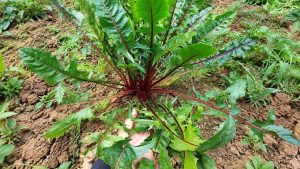
The plant forms a low rosette of leaves close to the ground. From the center of this rosette, hollow flower stalks rise above the foliage and produce bright yellow flower heads.
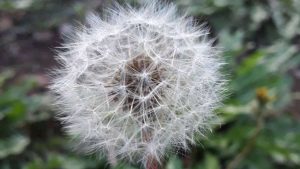
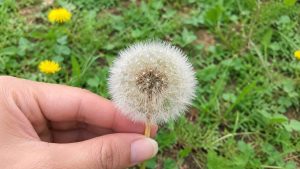
After flowering, the yellow head changes into the familiar round white seed head. Each seed is attached to a fine, parachute-like structure that allows the wind to carry it to a new location.
This is one reason dandelions spread so easily.
The plant also develops a long taproot that can grow deep into the soil. If the root is broken while being removed, the remaining portion can sometimes produce new growth.
How to Identify Dandelion
Dandelion is usually easy to recognize once you know what to look for.
The leaves grow in a basal rosette and are typically green, deeply lobed, and irregularly toothed. The leaves can vary considerably depending on growing conditions.
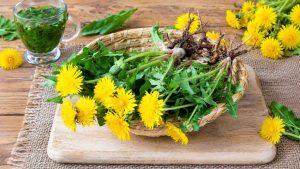
The flower stalk is usually leafless, hollow, and contains a single yellow flower head.
Unlike many similar-looking yellow flowers, a true dandelion flower grows on a single hollow stalk and does not usually have branching flower stems.
After flowering, the plant produces a round seed head made up of many individual seeds. The white seed head is one of the easiest features to recognize.
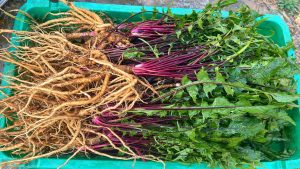
The taproot is usually brown on the outside and white inside. Mature roots can become quite long, especially when the plant grows in loose soil.
Where Does Dandelion Grow?
Dandelions are extremely adaptable.
They can grow in lawns, meadows, pastures, gardens, cracks in sidewalks, roadsides, and disturbed soil. They tolerate a wide range of soil conditions and can survive both dry periods and regular moisture.
Dandelions usually perform best in full sun, although they can tolerate partial shade.
In a home garden, you will often find them appearing naturally without any planting at all. If you want to grow dandelions intentionally for their leaves or flowers, a sunny area with reasonably fertile, well-drained soil is enough.
Their ability to tolerate difficult conditions is one reason they have become so widespread.
A Brief History of Dandelion
Dandelion has a long history of use in European and Asian traditional practices.
The plant was valued for both food and traditional herbal purposes. Young leaves were eaten as greens, while the roots were sometimes dried, roasted, or prepared in various ways.
Dandelion eventually spread widely beyond its original range and became established throughout North America.
Today, opinions about the plant are divided. One gardener may see dandelion as an unwanted lawn weed, while another may deliberately harvest it for food.
Both views make sense depending on how you manage your garden.
If you want a perfectly uniform lawn, dandelions can certainly become a nuisance. But in a vegetable or herb garden, the plant can also be an interesting edible species.
Traditional Uses of Dandelion
Dandelion has traditionally been used as both a food plant and an herbal ingredient.
Young leaves are commonly eaten as greens. They have a naturally bitter flavor that becomes stronger as the leaves mature.
The roots have also been traditionally roasted and used to make a beverage resembling coffee. Dandelion flowers can be used in some homemade foods and beverages as well.
Historically, different cultures used preparations made from dandelion roots and leaves in traditional herbal practices.
It is important to separate these traditional uses from modern medical claims. Dandelion should not be considered a replacement for medical treatment.
For gardeners, its value is simpler: it is an edible, hardy plant that requires very little care.
How to Grow Dandelion
If you have ever tried to remove dandelions from a lawn, you already know that they are excellent growers.
Growing them intentionally is much easier than growing many common garden vegetables.
Choose a Planting Site
Pick a location with full sun or partial shade.
Dandelions will grow in many types of soil, but loose, reasonably fertile soil makes harvesting the roots much easier.
If your goal is to harvest young leaves, a garden bed with good soil is preferable to letting plants grow in areas that may have been treated with lawn chemicals.
Planting Dandelion From Seed
Dandelion can be grown from seed.
Scatter the seeds over prepared soil and press them lightly into the surface. They need access to light and should not be buried deeply.
Keep the soil lightly moist while the seeds are germinating.
Once the seedlings are established, they become much more tolerant of dry conditions.
If you already have dandelions growing naturally in your yard, you may not need to plant them at all. However, only harvest plants from areas where you know the soil has not been treated with herbicides or other chemicals.
Watering
Dandelions are fairly drought tolerant once established.
Young plants need regular moisture while developing their roots, but mature plants can usually handle periods of dry weather.
If you are growing dandelions specifically for tender leaves, consistent moisture can help keep the foliage softer and less bitter.
There is no need to keep the soil constantly wet.
Fertilizing
Dandelions generally do not need much fertilizer.
They are naturally vigorous plants and can grow in relatively poor soil.
If you are growing them as an edible crop, improving the soil with compost before planting is usually enough. Healthy soil will encourage steady leaf and root growth without requiring an aggressive fertilizer program.
When to Harvest Dandelion
Different parts of the plant can be harvested at different times.
Young leaves are best harvested in spring before the plant produces many flowers. At this stage, the leaves are generally more tender and less bitter.
Flowers can be collected when they are fully open.
Roots are often harvested in spring or fall when they are well developed.
If you want large roots for drying or roasting, choose healthy plants growing in loose soil. A garden fork can help loosen the soil without breaking the root.
Always harvest dandelions from clean areas that have not been treated with pesticides, herbicides, or other chemicals.
How to Harvest Dandelion Leaves
Harvesting the leaves is simple.
Use clean scissors or a knife to cut the outer leaves from the plant, leaving the center of the rosette intact. This allows the plant to continue producing new growth.
Young leaves can be used fresh in salads or cooked like other leafy greens.
If the leaves taste too bitter, cooking can make them more pleasant. Some gardeners also blanch the leaves by covering the plant from light for a short period before harvest.
For the best flavor, harvest young leaves in cool weather.
How to Harvest Dandelion Roots
Roots require a little more work.
Choose a mature plant and loosen the soil around it with a garden fork. Try to remove as much of the long taproot as possible.
Wash the roots thoroughly to remove soil, then cut away damaged sections.
For culinary use, the roots can be sliced and dried or prepared fresh. Roasting the roots gives them a deeper, more pronounced flavor and is one traditional way of preparing them.
If you plan to save dandelion plants in your garden, leave some plants untouched so they can continue growing and reseeding.
How to Store Dandelion
Fresh dandelion leaves are best used soon after harvesting.
After harvesting, rinse them thoroughly and allow excess water to drain. Store the leaves in a clean container or bag in the refrigerator.
For longer storage, dandelion leaves can be dried, although their texture will change considerably.
Dandelion roots can also be cleaned, sliced, and dried for later use. Make sure they are completely dry before storing them in an airtight container.
Keep dried roots somewhere cool, dark, and dry.
Dandelion in the Home Garden
Whether dandelion belongs in your garden depends on what you want from your growing space.
For a traditional lawn, you may prefer to remove it before the flowers develop seed heads. A deep-rooted dandelion is easier to remove when the soil is moist, and using a long weeding tool can help remove more of the taproot.
For an edible or herb garden, however, dandelion can be useful.
It grows with very little attention, tolerates difficult conditions, and provides edible leaves and roots. It also produces flowers that attract pollinating insects.
The main thing is to control where it is allowed to spread. Once the white seed heads appear, hundreds of lightweight seeds can be carried around the garden by the wind.
Dandelion and Pollinators
Dandelion flowers can provide an early source of food for pollinating insects.
The bright yellow flowers produce pollen and nectar, and they can be particularly noticeable early in the growing season when fewer flowers are available.
If you are creating a garden designed to support pollinators, allowing some dandelions to flower can be beneficial.
You do not need to let them take over the entire yard. Simply leaving a few plants in an appropriate area can provide flowers while keeping the rest of the garden manageable.
Final Thoughts
Dandelion is a good example of a plant that can be viewed very differently depending on where it grows.
In a carefully maintained lawn, it may be an unwanted weed. In an edible garden, it can be a hardy perennial with useful leaves, roots, and flowers.
It requires little care and adapts to a wide range of conditions. If you decide to grow it intentionally, focus on clean soil, moderate moisture, and harvesting the young leaves before they become too bitter.
For gardeners interested in edible and traditional plants, dandelion is worth getting to know rather than simply pulling it out every time you see a yellow flower.
Frequently Asked Questions
What is dandelion?
Dandelion is a perennial flowering plant commonly known as Taraxacum officinale. It produces yellow flowers, toothed leaves, and a long taproot.
Can you grow dandelion at home?
Yes. Dandelion is very easy to grow from seed and can tolerate a wide range of soil and weather conditions.
Are dandelion leaves edible?
Yes, young dandelion leaves are commonly eaten as greens. They have a naturally bitter flavor that tends to become stronger as the leaves mature.
When is the best time to harvest dandelion?
Young leaves are generally best harvested in spring. Roots can be harvested in spring or fall, while flowers are collected when fully open.
Can you grow dandelion in a container?
Yes. Dandelion can grow in containers, although a deeper container is preferable because the plant develops a long taproot.
How do you store dandelion roots?
Clean and slice the roots, then dry them thoroughly. Store completely dried roots in an airtight container in a cool, dark, dry place.
Is dandelion good for pollinators?
Dandelion flowers provide pollen and nectar for various insects, making them a useful early-season food source in some gardens.