Shiso is one of those herbs that stands out as soon as you smell it. Rub a fresh leaf between your fingers and you’ll notice a unique aroma with hints of mint, citrus, and herbs. It’s commonly used in Japanese and other East Asian cooking, but it’s also an easy plant to grow at home if you give it the right conditions.
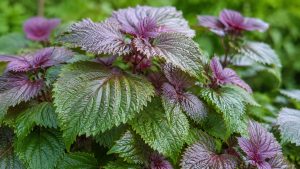
What I like most about shiso is how quickly it grows and how often you can harvest the leaves during the growing season. Once the plants get established, regular harvesting and a little pruning can keep them producing fresh leaves for quite a while.
What Is Shiso?
Shiso is an herbaceous plant in the mint family. Its botanical name is Perilla frutescens. It originated in East Asia and is widely used in Japanese and Korean cuisine as well as in other parts of Asia.
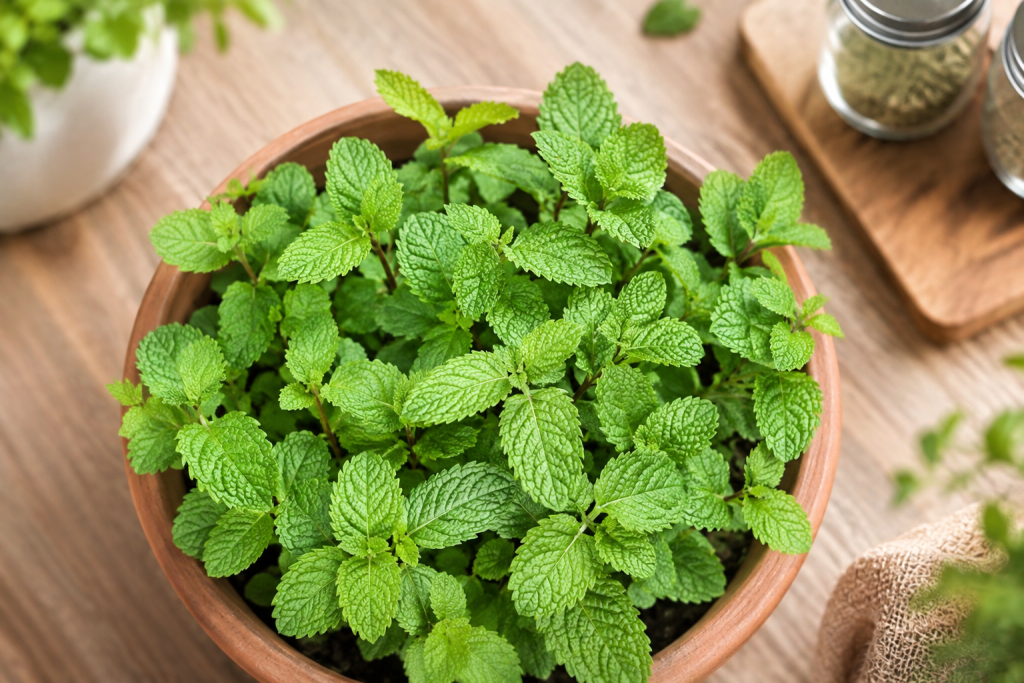
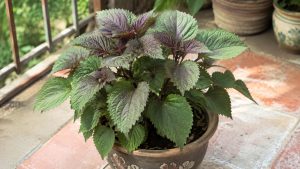
The leaves have serrated edges and a slightly wrinkled surface. When you crush or tear a leaf, it releases the strong, distinctive fragrance that shiso is known for.
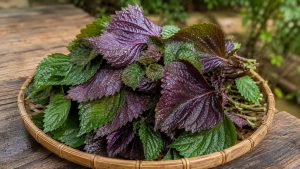
Depending on the variety, shiso leaves can be green, purple, or reddish-purple. Green shiso is often used fresh as an herb or garnish, while purple shiso is especially useful for pickling, seasoning, and adding color to certain foods.
Shiso is mainly grown for its leaves, although the flowers and seeds can also be used.
How to Use Shiso
There are several easy ways to use fresh shiso from the garden. If you grow your own, you’ll probably find yourself picking a few leaves whenever you’re cooking.
Make Shiso Tea
Fresh shiso leaves can be used to make a simple herbal tea.
Wash a few leaves, gently crush them, and place them in hot water. Let them steep for several minutes before drinking.
I prefer not to boil the leaves for too long because much of the delicate aroma can disappear with prolonged heat.
For a different flavor, you can combine shiso with a little fresh ginger or lemon.
Use Shiso as a Seasoning
This is probably the most useful way to enjoy shiso.
Green shiso can be eaten fresh, added to salads, wrapped around food, or chopped and sprinkled over cooked dishes. Purple shiso is often used in pickling and seasoning, especially when you want both its distinctive flavor and natural color.
One simple tip is not to overcook shiso. If you add the leaves too early, their fresh aroma can become much weaker. For hot dishes, I usually add shiso toward the end of cooking.
You can use fresh shiso with:
- Fish and seafood
- Salads
- Rice
- Noodles
- Fried foods
- Wraps
- Pickled vegetables
- Tea and other drinks
Green Shiso vs. Purple Shiso
Green and purple shiso belong to the same plant family, but they have noticeable differences in color, flavor, and common uses.

| Feature | Green Shiso | Purple Shiso |
|---|---|---|
| Leaf color | Green | Purple to reddish-purple |
| Leaf appearance | Broad leaves with serrated edges | Usually darker-colored leaves |
| Flavor | Fresh, slightly spicy, minty and herbal | Stronger, more distinctive herbal flavor |
| Common uses | Fresh eating, salads, wraps, seasoning | Pickling, seasoning, coloring foods |
| Color when used | Mostly stays green | Can add a reddish-purple color |
| Kitchen use | Very versatile | Especially useful when color is desired |
| Growing difficulty | Easy | Easy |
| Main harvest | Young and mature leaves | Mainly young and mature leaves |
If your main goal is to grow an herb for everyday cooking, I’d start with green shiso. If you enjoy making pickled foods or want to experiment with natural color, purple shiso is worth growing too.
When to Plant Shiso
Shiso is a warm-season plant. The seeds germinate best when the soil has warmed up, so I wouldn’t rush to plant them outdoors in early spring when the ground is still cold.
In areas with cold winters, a good time to plant shiso is after the danger of frost has passed and the soil has started to warm.
Gardeners in warmer climates may be able to grow shiso for a much longer part of the year.
One trick I’ve found useful is to avoid planting all your seeds at once. Instead, sow a small batch every few weeks. This can give you a steady supply of young leaves instead of having a large harvest all at once.
How to Grow Shiso
Start Shiso From Seed
Shiso is usually grown from seed.
Scatter the seeds over the surface of the soil and cover them with only a very thin layer of soil. Shiso seeds are small, and covering them too deeply can make it difficult for seedlings to emerge.
Keep the soil lightly moist while you wait for germination. Don’t let the surface dry out completely, but avoid heavy watering that can wash the tiny seeds away.
Once the seedlings emerge, continue providing consistent moisture until they become established.
Give Plants Enough Space
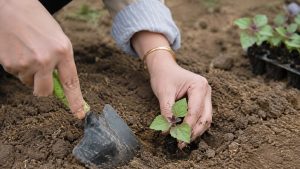
When the seedlings develop several sets of true leaves, thin out plants that are growing too close together.
A spacing of about 8–12 inches between plants generally gives shiso enough room to develop into a full, bushy plant.
If you’re growing shiso in containers, use a pot that gives the plant enough room rather than crowding several plants into a small container.
Best Soil for Shiso
Shiso isn’t particularly difficult when it comes to soil, but it grows best in soil that is:
- Loose and well-draining
- Rich in organic matter
- Moist but not soggy
If my garden soil is compacted, I like to mix in compost before planting. This improves drainage while also helping the soil hold enough moisture for the plants.
You don’t need to heavily fertilize shiso. Too much fertilizer can encourage lots of leafy growth without necessarily improving the flavor or aroma of the leaves.
How to Care for Shiso
Give It Plenty of Light
Shiso likes plenty of sunlight and can grow well in full sun.
In areas with very hot summers, the plants may appreciate some afternoon shade. If the leaves wilt quickly on extremely hot days, check the soil moisture before assuming the plant needs more fertilizer.
Water Regularly
Keep the soil evenly moist, especially while the plants are young.
Once established, shiso can handle short periods of slightly dry soil better. However, repeated drought stress can cause the leaves to wilt and may reduce their quality.
I prefer watering deeply around the base of the plant rather than constantly wetting the foliage.
Pinch the Growing Tips
This is one of the most useful tricks if your main goal is to harvest lots of shiso leaves.
When the plant reaches about 6–8 inches tall, pinch off the growing tip. This encourages the plant to produce more side branches.
Instead of having one tall, thin stem, the plant becomes bushier and produces more leaves.
If you want to harvest leaves for a longer period, don’t let every plant flower too early. Once shiso starts putting more energy into flowers and seeds, leaf production may slow down.
When to Harvest Shiso
You can start harvesting shiso once the plants are well established and have plenty of healthy leaves.
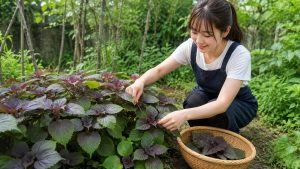
I like to pick healthy leaves from the outside and upper portions of the plant first. Avoid stripping all the leaves from one plant at once because the plant needs foliage to continue growing.
Regular harvesting can also encourage the plant to produce new branches.
For a milder flavor, harvest younger leaves. Mature leaves generally have a stronger aroma and more pronounced flavor.
Harvesting Shiso Seeds
If you allow some plants to flower, shiso can produce seeds.
You can leave one or two plants to mature and collect the seeds for next season. Once the seeds are fully mature, harvest them and allow them to dry completely before storing them.
If your main goal is to harvest leaves, however, I usually remove some of the flowers so the plant continues producing foliage.
How to Store Fresh Shiso
Shiso is best when used soon after harvesting.
If you have more leaves than you can use immediately, gently wrap them in a slightly damp paper towel and place them in a storage bag or container in the refrigerator.
Try not to keep the leaves too wet because excess moisture can cause them to spoil quickly.
You can also chop fresh shiso and add it to meals throughout the week, but freshly picked leaves usually have the strongest aroma.
A Few Shiso Growing Tips From Experience
If you’re growing shiso for the first time, these are the things I’d pay the most attention to:
Don’t bury the seeds too deeply. Shiso seeds are tiny and only need a very light covering of soil.
Keep the soil consistently moist while seedlings are young. This is when the plants need the most attention.
Pinch the growing tips. Doing this early encourages the plant to branch out and produce more leaves.
Harvest regularly. Don’t wait until the entire plant becomes mature before picking.
Don’t let every plant flower if you want lots of leaves. Keep one or two plants for seed production if you want to save seeds.
Try growing both colors. Green shiso is especially useful for everyday cooking, while purple shiso gives you more options for pickling, seasoning, and adding natural color.
Final Thoughts
Shiso is a great herb to try if you want something a little different in your garden. It grows quickly, doesn’t require complicated care, and gives you fresh leaves that can be harvested throughout the growing season.
The basics are simple: plant after the soil warms up, keep young plants evenly watered, pinch the growing tips, and harvest leaves regularly.
Once you’re comfortable growing green shiso, try adding purple shiso to your garden as well. Having both varieties means you can experiment with different flavors, recipes, and ways of preserving your harvest.