Ginkgo biloba is one of the world’s oldest surviving tree species and is easily recognized by its distinctive fan-shaped leaves. Native to China, this deciduous tree is now widely grown as an ornamental and landscape tree in many parts of the United States. Its bright yellow fall color, unusual foliage, and impressive longevity make it an interesting choice for home landscapes.
For gardeners, ginkgo is especially appealing because it is adaptable once established and requires relatively little maintenance. With the right planting location, well-drained soil, adequate moisture, and enough room to grow, a young ginkgo can eventually develop into a large, long-lived landscape tree.
What Is Ginkgo Biloba?
Ginkgo biloba, commonly known as ginkgo or maidenhair tree, is a deciduous tree native to China. It is the only living species in the Ginkgoaceae family and is often described as an ancient tree lineage.
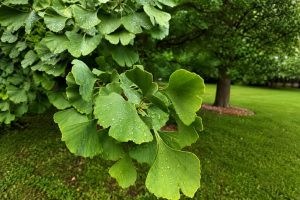
Ginkgo trees are best known for their unusual fan-shaped leaves. The leaves are green during the growing season and typically turn bright yellow in fall before dropping.
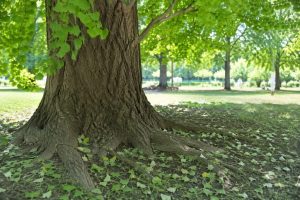
The tree develops a strong trunk and broad canopy as it matures. Depending on the growing conditions and variety, a mature ginkgo can become a substantial landscape tree, so choosing an appropriate planting site is important.
Ginkgo is also known for its ability to tolerate many urban growing conditions. This has helped make it a popular ornamental tree along streets, in parks, and in residential landscapes.
How to Identify Ginkgo Biloba
Ginkgo is one of the easier landscape trees to identify once you become familiar with its foliage.
The most recognizable feature is the fan-shaped leaf. Ginkgo leaves grow on relatively long leaf stems, and their veins spread outward from the base rather than forming a typical branching network.
Look for these features:
- Fan-shaped leaves
- Long leaf stems
- Green leaves during spring and summer
- Bright yellow foliage in fall
- Gray-brown bark on mature trees
- A strong central trunk
- Male and female trees with different reproductive structures
Some leaves have a shallow notch in the center, while others may appear almost completely fan-shaped.
Female trees produce fleshy, rounded structures containing seeds. These can fall to the ground in autumn and develop a noticeable odor as they break down. Male trees do not produce these seed-bearing fruits.
The unusual fan-shaped foliage is usually the easiest feature to use when identifying a ginkgo tree.
How to Grow Ginkgo Biloba
Ginkgo is generally a low-maintenance tree once established, but young trees need appropriate care while their root systems develop.
The most important factors are planting location, sunlight, soil drainage, water, and adequate growing space.
When to Plant Ginkgo Biloba
Spring and fall are generally good times to plant young ginkgo trees.
Spring planting gives the tree an entire growing season to establish its roots. Fall can also be a good option because cooler temperatures and naturally moist soil can reduce stress after planting.
Avoid planting during periods of extreme heat, frozen soil, or prolonged drought.
If you purchase a container-grown tree, handle the root ball carefully during planting. Avoid disturbing the roots more than necessary.
Choosing a Planting Site
Select a location where the tree will receive plenty of sunlight and have enough room to develop.
Before planting, consider the tree’s eventual size rather than only the size of the young plant. A ginkgo that looks small at the nursery can eventually become a large tree.
Avoid planting too close to:
- Buildings
- Driveways
- Sidewalks
- Utility lines
- Small garden beds
- Other large trees
A little extra planning at planting time can prevent problems later as the tree grows.
Soil Requirements
Ginkgo is adaptable to different soil conditions but generally performs best in well-drained soil.
The planting area should not remain saturated after rainfall. Constantly wet soil can create difficult conditions for developing roots.
Good soil conditions include:
- Good drainage
- Moderate fertility
- Reasonable moisture retention
- Adequate soil depth
- Low risk of prolonged waterlogging
There is usually no need to create an unusually rich planting hole. If the existing soil is reasonably suitable for trees, improving drainage and planting correctly are often more important than adding large amounts of fertilizer.
Sunlight Requirements
Ginkgo generally grows best in full sun to partial shade, with stronger growth usually occurring in locations that receive plenty of direct sunlight.
A sunny planting location can also encourage a fuller canopy and good fall color.
Young trees may tolerate some shade, but avoid placing a ginkgo where it will be heavily shaded by buildings or larger trees for most of the day.
How to Water Ginkgo Biloba
Young ginkgo trees need regular watering while they establish their root systems.
After planting, water deeply enough to moisten the root zone. Allow the soil surface to begin drying before watering again rather than keeping the soil constantly saturated.
During hot or dry weather, newly planted trees may need more frequent attention.
Once established, ginkgo is generally more tolerant of short periods of dry weather. Even so, prolonged drought can stress any landscape tree, so monitor young trees carefully during extended dry conditions.
A layer of organic mulch around the root zone can help maintain more consistent soil moisture.
Keep mulch a few inches away from the trunk to avoid creating a constantly damp area around the bark.
Fertilizing Ginkgo Biloba
Ginkgo does not usually require heavy feeding when planted in reasonably fertile soil.
If the tree is growing poorly, a soil test can help determine whether nutrients are actually lacking.
Avoid applying large amounts of fertilizer simply to encourage faster growth. Young trees benefit more from good soil, adequate moisture, sunlight, and proper planting than from excessive fertilizer.
If fertilizer is needed, follow the product directions and apply it at an appropriate time for your climate.
Pruning Ginkgo Trees
Ginkgo generally develops an attractive natural shape without extensive pruning.
For young trees, pruning is mainly useful for removing damaged, dead, or poorly positioned branches and maintaining a strong structure.
Avoid unnecessary heavy pruning.
When removing a branch, use clean, sharp pruning tools and make appropriate cuts near the branch collar rather than leaving long stubs.
Established ginkgo trees usually require only occasional maintenance pruning unless there is a specific structural issue.
How to Grow Ginkgo Biloba From Seed
Ginkgo can be propagated from seed, although growing a tree this way requires patience.
Female trees produce seeds inside fleshy fruit. The seeds can be collected after the fruit has matured and fallen.
Because the outer fruit can have an unpleasant odor, wear gloves when handling it and clean the seeds outdoors or in a well-ventilated area.
After cleaning, seeds can be prepared for planting according to the requirements of the variety and growing method.
Plant seeds in a clean, well-drained growing medium and keep the medium moderately moist. Avoid excessive watering because constantly wet conditions can cause problems with germination and young roots.
Seed-grown ginkgo trees take time to develop. If you want a larger tree sooner, purchasing a healthy nursery-grown plant is generally more practical.
How Fast Does Ginkgo Biloba Grow?
Ginkgo is generally considered a slow- to moderate-growing tree, although growth varies with age, climate, soil, sunlight, water, and overall growing conditions.
Young trees may establish gradually during their first few years. With suitable conditions, growth can become more noticeable as the root system develops.
Patience is important when growing ginkgo. It is better suited to gardeners looking for a long-term landscape tree than someone wanting a quick-growing shade tree.
When Do Ginkgo Leaves Turn Yellow?
One of the most attractive features of ginkgo is its fall foliage.
The leaves typically remain green throughout the growing season before turning a strong yellow in autumn. In many areas, the color change can occur relatively quickly.
After reaching peak color, the leaves may drop within a short period, sometimes creating a thick layer of yellow foliage beneath the tree.
If you grow ginkgo for its fall appearance, choose a location where the seasonal color can be enjoyed from a window, patio, walkway, or garden seating area.
Ginkgo Biloba Fruit and Seeds
Ginkgo trees are either male or female.
Female trees produce fleshy fruits containing seeds, while male trees produce pollen-bearing structures instead.
The fruit can be an important consideration when choosing a tree for a residential landscape. As the fallen fruit breaks down, it can produce a strong odor.
For this reason, many homeowners prefer male ginkgo cultivars for locations near sidewalks, patios, driveways, and building entrances.
If you are growing ginkgo from seed, however, you cannot always determine whether a young tree will eventually be male or female until it reaches maturity.
When to Harvest Ginkgo Seeds
If your goal is propagation, collect mature seeds after the fruit has fallen naturally.
Wear gloves when handling the fleshy outer material. Remove the fruit from the seed and clean the seed carefully.
Do not collect seeds from trees growing in areas that may have been exposed to chemical treatments or other sources of contamination if you intend to use them for propagation.
After cleaning, allow the outside of the seed to dry before preparing it for storage or planting.
How to Store Ginkgo Seeds
If you are not planting the seeds immediately, keep them in a clean, labeled container under suitable storage conditions.
The exact storage method depends on how long you intend to keep the seeds and whether they will be used for propagation.
Label stored seeds with:
- Plant name
- Collection date
- Source tree
- Storage date
Before planting, inspect the seeds and discard any that show obvious mold, damage, or deterioration.
Ginkgo Biloba in the Landscape
Ginkgo can be an excellent choice for large residential landscapes, parks, streetscapes, and other areas with enough room for a mature tree.
Its main ornamental features include its unusual foliage, strong fall color, and long lifespan.
The tree can also tolerate a range of urban conditions, which is one reason it has become common in many American landscapes.
When choosing a planting location, however, think about the tree’s mature size and whether a male or female tree is more appropriate for the site.
A carefully selected location can allow a ginkgo to remain part of the landscape for many generations.
Common Growing Problems
Ginkgo is generally a hardy tree, but poor growing conditions can still cause problems.
Poor Drainage
Constantly wet soil can make establishment difficult. Improve drainage where possible and avoid planting in areas where water remains after rainfall.
Drought Stress
Young trees are particularly sensitive to prolonged dry conditions. Monitor soil moisture during hot weather and water deeply when necessary.
Limited Growing Space
Planting a ginkgo too close to buildings, sidewalks, or other large trees can create problems as it matures.
Excessive Pruning
Heavy or unnecessary pruning can damage the natural form of the tree. Focus on removing dead, damaged, or poorly positioned branches.
Frequently Asked Questions About Ginkgo Biloba
How can you identify a Ginkgo biloba tree?
Ginkgo is easy to recognize by its fan-shaped leaves, long leaf stems, spreading veins, and bright yellow fall color. Mature trees also develop distinctive gray-brown bark.
Where should you plant a Ginkgo biloba tree?
Choose a sunny location with well-drained soil and plenty of space for the mature tree. Avoid planting too close to buildings, sidewalks, driveways, or utility lines.
Does Ginkgo biloba need full sun?
Ginkgo generally grows best in full sun but can tolerate some partial shade. A location with plenty of sunlight usually supports strong growth and attractive fall foliage.
How often should you water a Ginkgo biloba tree?
Young trees need regular watering while their roots become established. Water deeply when the soil begins to dry, but avoid keeping the soil constantly saturated.
Can Ginkgo biloba be grown from seed?
Yes. Ginkgo can be grown from seed, although the process requires patience. Clean mature seeds and plant them in a suitable, well-drained growing medium.
When is the best time to plant Ginkgo biloba?
Spring and fall are generally suitable planting seasons. Moderate temperatures and adequate soil moisture can help young trees establish their roots.
How fast does Ginkgo biloba grow?
Ginkgo is generally a slow- to moderate-growing tree. Growth depends on the tree’s age, variety, soil, sunlight, moisture, and local climate.
When do Ginkgo biloba leaves turn yellow?
Ginkgo leaves usually turn bright yellow in fall before dropping. The color change can happen quickly, creating a short but striking display.
Do Ginkgo trees produce fruit?
Female ginkgo trees produce fleshy fruits containing seeds, while male trees do not. The fallen fruit from female trees can have a strong odor, so this is worth considering when selecting a planting location.
How long can a Ginkgo biloba tree live?
Ginkgo trees are exceptionally long-lived and can survive for hundreds of years under suitable conditions. Their longevity is one reason they are valued as long-term landscape trees.
Conclusion
Ginkgo biloba is a distinctive and long-lived tree that can make an excellent addition to a suitable landscape. Its fan-shaped leaves, bright yellow fall color, adaptable nature, and unusual growth characteristics make it easy to recognize and rewarding to grow.
For the best results, choose a spacious planting site with good sunlight and well-drained soil. Young trees need consistent moisture while becoming established, but mature ginkgo trees generally require less attention. With thoughtful planting and basic care, a ginkgo can become a lasting feature of the home landscape for many years.