Turmeric is a tropical plant best known for its bright yellow-orange rhizomes and warm, earthy flavor. It is closely related to ginger and grows underground from thick rhizomes rather than from a traditional root.
For home gardeners, turmeric is an interesting crop because it is relatively easy to grow when given warm temperatures, moisture, and rich soil. It takes several months to mature, but once the leaves begin to yellow and die back, you can dig up the rhizomes and enjoy fresh turmeric from your own garden.
What Is Turmeric?
Turmeric is the common name for Curcuma longa, a perennial plant in the ginger family, Zingiberaceae.
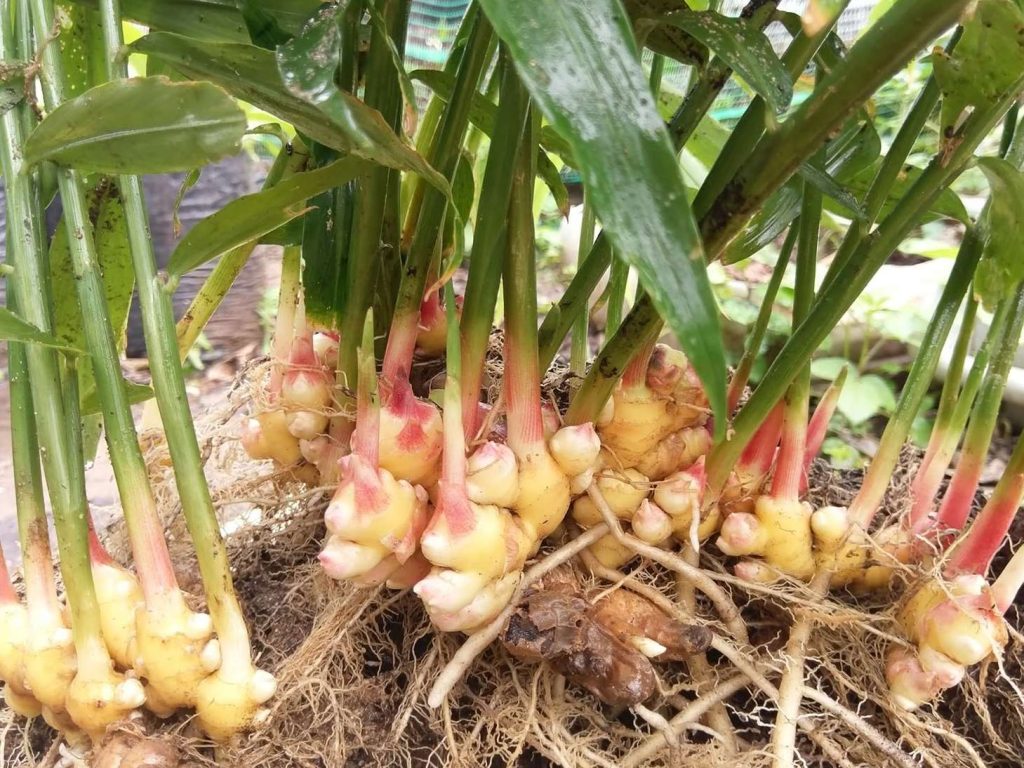
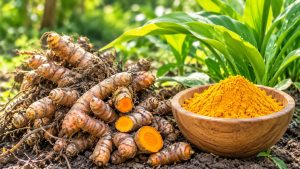
The part most people use is the underground rhizome. Fresh turmeric rhizomes have thin brownish skin and vivid orange-yellow flesh inside. When sliced, they can stain fingers, cutting boards, and clothing.
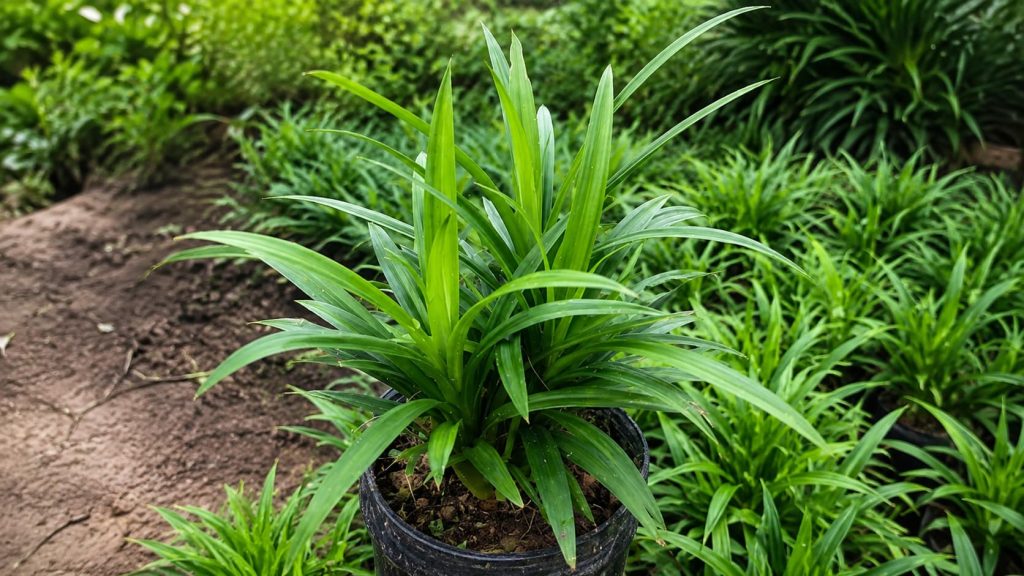
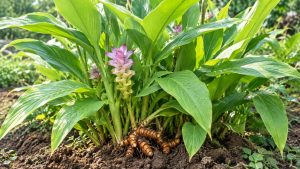
The plant itself has large, upright leaves that resemble ginger. Under warm growing conditions, turmeric can form a lush clump several feet tall.
Turmeric is widely used as a culinary spice. The dried and ground rhizome is responsible for much of the yellow color associated with curry powders and many South Asian dishes.
The plant is also well known for curcumin, one of its naturally occurring compounds. However, turmeric as a food and spice should be distinguished from concentrated supplements and medical products.
Botanical Characteristics
Turmeric is a herbaceous perennial that grows from underground rhizomes.
The leaves are long, broad, and green, emerging from overlapping leaf stalks. The plant gradually forms a dense clump as new shoots develop from the rhizome.
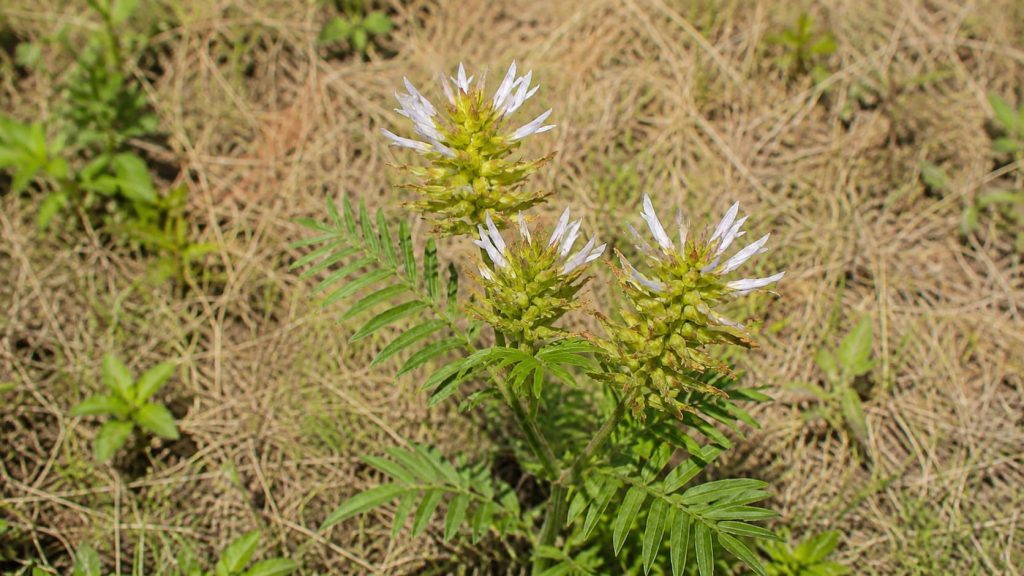
Under suitable conditions, turmeric can produce attractive flowers on short or taller flower stalks depending on the variety. The flowers are usually surrounded by colorful bracts, making the plant useful as an ornamental as well as a food crop.
The underground rhizomes are the most important part for harvesting. They develop horizontally beneath the soil and produce new shoots and additional rhizomes as the plant grows.
Unlike many vegetables, turmeric is not normally grown from botanical seed. Gardeners usually start with pieces of healthy rhizome containing viable buds.
Where Does Turmeric Come From?
Turmeric has a long history of cultivation in South and Southeast Asia. It has been grown for centuries as a food ingredient, natural coloring material, and traditional plant.
Today, India is one of the world’s major producers of turmeric, and the crop is also grown commercially in other warm regions.
Because turmeric is tropical, it grows best in warm, humid conditions. Gardeners in colder parts of the United States can still grow it, but the growing season may be too short for planting directly in the ground.
In cooler climates, growing turmeric in containers can make it easier to move the plants indoors or protect the rhizomes when temperatures drop.
A Brief History of Turmeric
Turmeric has been used for thousands of years in Asian food traditions.
Its strong yellow color made it valuable not only as a spice but also as a natural dye. It became an important ingredient in many regional cuisines, particularly throughout South Asia.
Traditional practices also gave turmeric an important place in various cultural and herbal traditions.
Today, turmeric is familiar around the world. Ground turmeric is commonly found in spice cabinets, while fresh turmeric is increasingly available in grocery stores and farmers’ markets.
For gardeners, growing fresh turmeric provides something that dried supermarket powder cannot quite offer: the opportunity to harvest a living crop and experience the fresh rhizome directly.
Traditional Uses of Turmeric
Turmeric has traditionally been used as a culinary spice and in various herbal practices.
In cooking, turmeric is used to add color, earthy flavor, and mild bitterness to foods. It is common in curries, rice dishes, soups, vegetables, sauces, and spice blends.
Fresh turmeric can be peeled and grated or sliced. Dried turmeric is usually ground into a fine yellow powder.
Turmeric has also been used traditionally in different cultures for a variety of purposes. Modern research has focused heavily on curcumin and other compounds found in turmeric, but traditional use should not automatically be interpreted as proof of a medical benefit.
For a home gardener, turmeric is best appreciated as a useful food crop with a long cultural history.
How to Grow Turmeric
Turmeric is not difficult to grow if you can provide a long, warm growing season.
The plant prefers warm soil, consistent moisture, and plenty of light.
Choose the Right Location
Choose a spot with full sun or light partial shade.
In very hot climates, some afternoon shade can help prevent the leaves from becoming stressed.
Turmeric also needs protection from cold temperatures. It is a tropical plant and does not tolerate frost well.
If your growing season is short, start turmeric in a container indoors and move it outside once the weather becomes reliably warm.
Prepare the Soil
Turmeric grows best in loose, fertile, well-drained soil.
The rhizomes need room to expand underground, so avoid heavily compacted soil.
Before planting, work compost or other well-rotted organic matter into the soil. This improves soil structure and provides nutrients for the long growing season.
Good drainage is important. Turmeric likes consistent moisture, but constantly waterlogged soil can cause rhizomes to rot.
Planting Turmeric
Start with fresh, firm turmeric rhizomes that have several visible buds.
Cut large rhizomes into sections if necessary, making sure each piece has at least one healthy bud.
Plant the rhizomes about 2 inches deep with the buds facing upward. Cover them lightly with soil and water thoroughly.
Keep the soil warm and moderately moist while the shoots develop.
Depending on temperature and growing conditions, shoots may take several weeks to emerge.
Do not become impatient and dig around the rhizome every few days. Once planted, it is better to give turmeric time to establish.
Watering Turmeric
Turmeric prefers consistent moisture during active growth.
Water when the soil begins to dry, especially during hot weather. Container-grown turmeric may need more frequent watering because containers dry out faster than garden beds.
At the same time, avoid keeping the soil saturated.
As the plant approaches dormancy and the leaves begin turning yellow, gradually reduce watering.
Fertilizing
Turmeric benefits from fertile soil because it spends a long time developing underground rhizomes.
A good layer of compost before planting can provide much of what the plant needs. During active growth, you can also use a balanced organic fertilizer according to the product directions.
Do not overfeed. Strong leaf growth is useful, but the main goal is healthy rhizome development.
Growing Turmeric in Containers
Container growing is an excellent option for gardeners in cooler climates.
Choose a large container with drainage holes. Turmeric spreads underground, so a wide and reasonably deep container gives the rhizomes room to develop.
Use a rich but well-draining potting mix.
Place the container somewhere warm and sunny. During the growing season, keep the soil consistently moist without allowing water to sit in the bottom of the pot.
When temperatures begin to fall in autumn, container-grown turmeric can be moved to a protected location.
When to Harvest Turmeric
Turmeric generally takes several months to mature.
The easiest sign that the rhizomes are ready is the natural decline of the foliage. As the growing season ends, the leaves begin to yellow, dry, and fall back.
At that point, the plant is moving toward dormancy and the rhizomes have had time to mature.
For a larger harvest, allow the plant to complete most of its growing cycle before digging.
If you only want a small amount of fresh turmeric, you can sometimes harvest a portion of the rhizome while leaving the rest of the plant growing.
How to Harvest Turmeric
Harvesting turmeric is straightforward.
When the foliage has died back, loosen the soil around the plant with a garden fork. Lift the clump carefully and remove the rhizomes.
Brush away excess soil and rinse the rhizomes with clean water.
Separate damaged or soft pieces from firm, healthy rhizomes.
Save some of the best pieces with healthy buds if you want to plant turmeric again next season.
The fresh rhizomes can be used immediately or prepared for storage.
How to Store Fresh Turmeric
Fresh turmeric should be handled much like fresh ginger.
After harvesting, allow the surface to dry after washing. Store the rhizomes in a cool location or refrigerate them in a clean container or bag.
For longer storage, turmeric can be sliced and dried.
Once completely dry, the pieces can be ground into turmeric powder using a suitable spice grinder.
Keep dried turmeric in an airtight container away from heat, moisture, and direct sunlight.
Fresh turmeric stains easily, so wearing gloves while preparing a large harvest can save your hands and kitchen surfaces from yellow-orange stains.
How to Use Fresh Turmeric
Fresh turmeric has a stronger, brighter flavor than dried powder.
You can peel and grate it into soups, curries, rice dishes, sauces, and vegetable recipes. Thin slices can also be added to cooking dishes for flavor and color.
Ground turmeric is easier to store and can be used throughout the year.
Because turmeric has a naturally strong color, start with a small amount and adjust according to the recipe.
It is also worth remembering that turmeric can stain light-colored clothing, countertops, and kitchen tools.
Turmeric and the Home Garden
Turmeric is a good choice for gardeners who enjoy growing crops that are not commonly found in a typical vegetable garden.
It has attractive foliage, interesting flowers, and useful underground rhizomes.
The main challenge is temperature. Gardeners in warm climates can grow turmeric outdoors for much of the year, while those in colder regions may need containers or a long indoor starting period.
Once established, the plant does not require complicated care.
Warmth, moisture, fertile soil, and patience are the main ingredients for a successful crop.
Final Thoughts
Turmeric is a rewarding tropical crop for the home garden. It grows from simple rhizomes, produces attractive leafy plants, and gives you a harvest that can be used fresh or dried.
The most important things to remember are warmth, good soil, consistent moisture, and good drainage. Give the plant enough time to develop before harvesting, and wait for the foliage to naturally decline if you want mature rhizomes.
If you live in a colder climate, growing turmeric in a container is often the easiest approach. You can move the plant into a protected location when the growing season ends.
For gardeners who enjoy herbs, spices, and unusual food crops, turmeric is well worth trying.
Frequently Asked Questions
What is turmeric?
Turmeric is a tropical perennial plant called Curcuma longa. Its underground rhizomes are used fresh or dried as a culinary spice.
Can you grow turmeric at home?
Yes. Turmeric can be grown at home in the ground or in containers. It needs warm temperatures, moisture, fertile soil, and a long growing season.
How do you grow turmeric?
Plant healthy turmeric rhizomes about 2 inches deep in loose, well-drained soil. Keep them warm and consistently moist while they grow.
When is turmeric ready to harvest?
Turmeric is generally ready when the leaves begin to yellow and die back naturally at the end of the growing season.
Can you grow turmeric in a container?
Yes. Containers are especially useful in colder climates because the plant can be moved indoors or into a protected area before frost.
How do you store fresh turmeric?
Fresh turmeric can be refrigerated for short-term storage. For longer storage, it can be sliced and dried, then kept in an airtight container.
Is turmeric the same as ginger?
No. Turmeric and ginger are different plants, but both belong to the Zingiberaceae family and produce edible underground rhizomes.