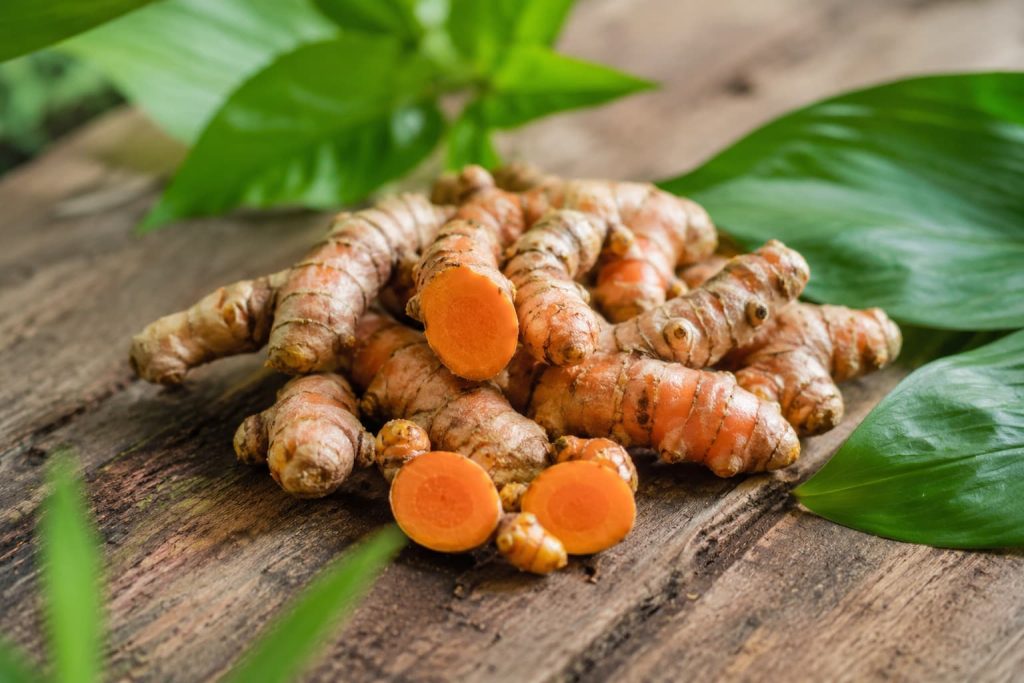
Ginger is one of the world’s oldest and most widely used culinary plants. Known for its warm, spicy flavor, ginger has a long history in cooking, traditional practices, and everyday life. For home gardeners, it is also an easy and rewarding plant to grow because new plants can be started from fresh pieces of rhizome purchased from a grocery store or local market.
This guide covers everything from what ginger is and its traditional uses to preparing planting pieces, growing ginger in containers, grow bags, and garden beds, caring for the plants, harvesting the rhizomes, and storing ginger after harvest.
What Is Ginger?
Ginger (Zingiber officinale) is a herbaceous perennial plant in the ginger family, Zingiberaceae. It is believed to have originated in tropical parts of Asia and is now cultivated in many warm regions around the world.
The part commonly called the ginger root is actually a rhizome, an underground stem that grows horizontally beneath the soil. The rhizome produces branches, nodes, and buds that can develop into new shoots.
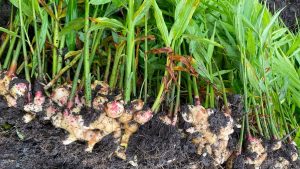
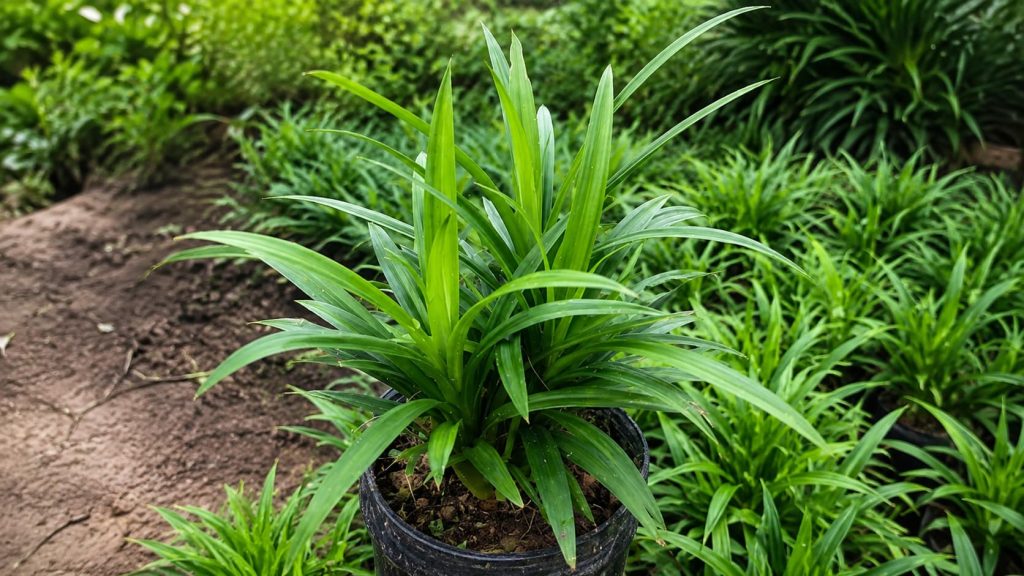
Above the soil, ginger produces upright pseudostems formed by tightly wrapped leaf sheaths. The plant typically grows about 2 to 3 feet tall. Its long, narrow leaves are deep green and give off a mild fragrance when crushed.
Ginger grows best in warm conditions, generally around 68°F to 86°F (20°C to 30°C). It prefers bright, filtered light or partial shade and performs best in loose, fertile soil that drains well.
Unlike many vegetables that are commonly grown from seeds, ginger is usually propagated from pieces of rhizome containing healthy buds.
Ginger’s History and Traditional Uses
A Long History in Food and Culture
Ginger has been used for thousands of years in Asian cooking and traditional practices. Ancient records from India and China describe its use as both a culinary ingredient and a traditional plant. Through trade routes, ginger eventually spread to the Middle East, Europe, and other parts of the world.
In cooking, fresh ginger is commonly used to add warmth and aroma to stir-fries, soups, sauces, marinades, and seafood dishes. It is also used in ginger tea, ginger candy, pickled ginger, baked goods, and many traditional recipes.
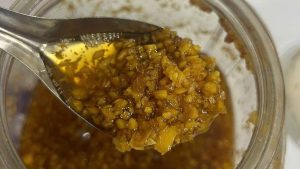
Traditional Uses in Herbal Practices
Ginger has a long history of use in traditional Chinese medicine and other traditional herbal systems. Fresh ginger and dried ginger have traditionally been prepared and used in different ways.
In traditional Chinese medicine, fresh ginger, commonly known as sheng jiang, and dried ginger, known as gan jiang, are used differently depending on the preparation and traditional practice.
Modern research has also examined various compounds found in ginger, but research findings should not be interpreted as proof that ginger can diagnose, treat, cure, or prevent a disease.
Medical Disclaimer: This article discusses the traditional uses of ginger for educational purposes only. Ginger is a food and traditional herbal ingredient, not a substitute for medical treatment. If you have a medical condition, are pregnant, or take prescription medications, talk with a qualified healthcare professional before using large amounts of ginger or concentrated ginger products.
Common Ways to Use Ginger
Fresh and dried ginger can be used in many everyday recipes.
- Fresh ginger: Slice, mince, or grate it for stir-fries, soups, sauces, marinades, and other dishes.
- Ginger tea: Fresh ginger slices can be steeped or simmered in hot water. Lemon or honey can be added for flavor.
- Ground ginger: Dried ginger powder is commonly used in spice blends, baked goods such as gingerbread, and beverages.
- Pickled ginger: Thinly sliced ginger is often pickled and served with Japanese dishes, especially sushi.
- Candied ginger: Ginger can be cooked with sugar to make a sweet, spicy snack or baking ingredient.
How to Prepare Ginger Rhizomes for Planting
Choosing healthy planting material is one of the most important steps when growing ginger at home.
1. Choose Healthy Rhizomes
Select firm, fresh ginger rhizomes with smooth skin and several healthy buds, sometimes called eyes. Avoid pieces that are soft, shriveled, moldy, or damaged.
Older, mature rhizomes can work well, but fresh ginger with visible buds is often easier to start.
2. Cut the Rhizome Into Pieces
Using a clean, sharp knife, cut the rhizome into pieces about 1 to 2 inches (3 to 5 cm) long. Each piece should contain at least one or two healthy buds.
3. Let the Cut Surfaces Dry
Place the cut pieces in a dry, well-ventilated location for about one or two days. Allowing the cut surfaces to dry slightly can help reduce the chance of rot when the pieces are planted in moist soil.
Three Ways to Grow Ginger at Home
Ginger can be grown in grow bags, containers, or directly in the garden. Choose the method that best fits your available space.
Method 1: Growing Ginger in Grow Bags
Growing ginger in a grow bag is an inexpensive option for gardeners with limited space. It also makes harvesting easier because the growing medium can be emptied when the rhizomes are ready.
What you need:
- A breathable grow bag or sturdy planting bag with drainage holes
- Loose, fertile potting soil
- Well-aged compost
- Coco coir or another moisture-retaining material
- Rice hulls, perlite, or another material that improves drainage
Planting steps:
- Fill the bottom of the bag with about 6 to 8 inches of growing medium.
- Place two or three ginger pieces on the surface with the buds facing upward.
- Cover the rhizomes with about 1 to 2 inches of soil.
- Water gently to moisten the soil.
- As the shoots develop, gradually add more soil or growing medium around the base of the plants.
Avoid burying the rhizomes too deeply at the beginning. Adding soil gradually gives the developing rhizomes more room to expand.
Method 2: Growing Ginger in Containers
Container growing is a good choice for gardeners living in apartments or homes with balconies, patios, or small growing areas.
Choose a container at least 12 to 16 inches wide and 10 to 12 inches deep, with several drainage holes. A wider container is especially useful because ginger rhizomes tend to spread horizontally.
Fill about two-thirds of the container with a loose, well-draining growing medium. Place the planting pieces on the surface with the buds facing upward, then cover them with a thin layer of soil.
Keep the container in a warm location with bright, filtered light.
Method 3: Growing Ginger in the Garden
Garden beds are a good option when you have enough space to grow several plants.
Prepare the soil by loosening it to a depth of about 10 to 12 inches and removing weeds, stones, and large clumps. Mix in well-aged compost or other organic matter to improve soil structure.
If your garden receives heavy rainfall or the soil drains slowly, plant ginger in raised beds or mounds. A raised bed about 8 to 10 inches high can help prevent water from collecting around the rhizomes.
Space plants about 10 to 12 inches apart, with roughly 16 inches between rows. Give the rhizomes enough room to expand without competing heavily with neighboring plants.
Comparing Different Ginger-Growing Methods
| Feature | Grow Bag | Container | Garden Bed |
|---|---|---|---|
| Space required | Small | Small to medium | Medium to large |
| Drainage control | Excellent | Excellent | Depends on soil |
| Mobility | Easy to move | Easy to move | Permanent |
| Harvesting | Easy | Moderate | More digging required |
| Potential yield | Good | Moderate | High with proper spacing |
How to Care for Ginger Plants
Light and Temperature
Ginger grows well with bright, filtered light or partial shade. Around 4 to 6 hours of gentle sunlight can be suitable, particularly in hot climates.
Strong afternoon sun can scorch the leaves, while excessive shade may result in weak, slow growth.
Warm temperatures are important throughout the growing season. Ginger grows best when temperatures remain around 68°F to 86°F (20°C to 30°C).
Watering
Ginger likes consistently moist soil but does not tolerate waterlogged conditions.
During the early stages of growth, water when the upper layer of soil begins to dry. In warm weather, this may mean watering every few days, depending on the container, soil, rainfall, and temperature.
As the plants become established, maintain even moisture without allowing water to sit around the rhizomes.
Reduce watering as the foliage naturally begins to yellow and the harvest approaches. Allowing the soil to become somewhat drier before harvesting can make the rhizomes easier to dig and clean.
Fertilizing
Start with fertile soil enriched with well-aged compost or another organic fertilizer.
After the plants become established, feed them periodically with a balanced organic fertilizer or a diluted fertilizer suitable for edible plants. Avoid applying excessive nitrogen because overly vigorous leaf growth does not necessarily result in larger rhizomes.
Mulching around the plants can also help retain soil moisture, reduce weeds, and keep the soil temperature more stable.
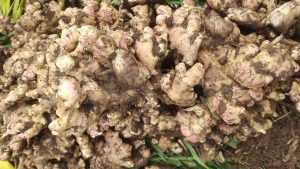
Ginger usually takes about 7 to 10 months to reach full maturity, although the ideal harvest time depends on how you plan to use it.
Harvesting Young Ginger
Young ginger can often be harvested after about 4 to 5 months. The rhizomes have thinner skin, a more tender texture, and a milder flavor.
Young ginger is commonly used for pickling, cooking, and other fresh preparations.
Harvesting Mature Ginger
For mature ginger, wait until the plant has completed most of its growth. After around 8 to 10 months, the leaves may begin turning yellow and drying naturally.
At this stage, the rhizomes usually have firmer skin and a stronger flavor, making them suitable for longer-term storage and use.
How to Harvest Ginger
- Reduce watering before harvest so the soil is not overly wet.
- Loosen the soil around the plant with a garden fork or shovel.
- Dig carefully around the rhizomes to avoid cutting them.
- Lift the entire plant or remove individual rhizomes as needed.
- Shake off loose soil and trim away the stems and small roots.
Take extra care when harvesting because cuts and bruises can make the rhizomes more susceptible to decay during storage.
How to Clean and Store Fresh Ginger
Proper handling after harvest can help extend the storage life of ginger.
Short-Term Storage
For short-term storage, avoid washing freshly harvested ginger immediately unless necessary. Allow the surface to dry, brush away loose soil, and store the rhizomes in a cool, dry, well-ventilated place away from direct sunlight.
Wash the ginger just before using it.
Long-Term Storage
There are several ways to preserve ginger for later use.
Freezing: Wash and dry the ginger, then freeze it whole, sliced, grated, or in small portions. Frozen ginger can be grated or sliced as needed.
Refrigeration: Fresh ginger can be stored in the refrigerator for several weeks. Keep it dry and use a breathable container or bag to reduce excess moisture.
Drying: Ginger can be thinly sliced and dried for later use as a spice or for making ginger powder.
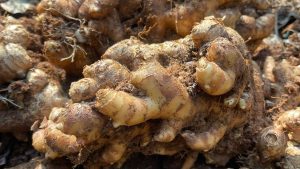
Common Ginger-Growing Problems
Rhizome or Root Rot
Overwatering and poor drainage are among the most common causes of ginger rhizome rot. Constantly wet soil can create conditions that favor fungal and bacterial problems.
What to do: Improve drainage, reduce watering, and remove badly damaged plant material. Avoid planting ginger in areas where water regularly collects.
Brown or Scorched Leaf Tips
Brown leaf tips can result from inconsistent watering, excessive sunlight, dry air, or other environmental stress.
What to do: Check the soil moisture, protect the plant from harsh afternoon sun, and maintain more consistent growing conditions.
Slow Growth
Slow growth can occur when ginger is planted in cold soil, heavy soil, poor-quality growing media, or a location with insufficient light.
What to do: Keep the plant warm, improve soil structure with organic matter, and provide bright filtered light.
Poor Rhizome Development
Small rhizomes may result from limited growing space, poor soil fertility, inadequate moisture, or a growing season that is too short.
What to do: Use a wide container or grow bag, maintain steady moisture, provide fertile soil, and give the plant enough time to mature.
Frequently Asked Questions
Can You Grow Ginger From Store-Bought Ginger?
Yes. Fresh ginger purchased from a grocery store or local market can sometimes be used to start new plants. Choose firm pieces with healthy, visible buds and avoid pieces that are moldy, soft, or severely dried out.
How Long Does Ginger Take to Grow?
Young ginger can be harvested after about 4 to 5 months, while mature ginger generally takes around 8 to 10 months. Growing conditions and climate can affect the timing.
Can Ginger Grow Indoors?
Yes. Ginger can be grown indoors if it receives enough warmth and bright, indirect or filtered light. A sunny window, sunroom, or suitable indoor growing area can work well.
Does Ginger Need Full Sun?
Ginger generally prefers bright, filtered light or partial shade rather than intense all-day sun. In hot climates, protecting the plant from strong afternoon sunlight can help prevent leaf damage.
Can Ginger Be Grown in a Pot?
Yes. Ginger grows well in wide containers with good drainage. Choose a container that provides enough horizontal space for the rhizomes to expand.
Final Thoughts
Growing ginger at home can be a rewarding project, especially when you can start new plants from a small piece of fresh rhizome. With warm temperatures, loose soil, consistent moisture, and good drainage, ginger can grow successfully in containers, grow bags, or garden beds.
Whether you want young ginger for fresh cooking or mature rhizomes for longer-term storage, giving the plants enough time to develop is the key. With a little patience and the right growing conditions, you can enjoy a fresh harvest of homegrown ginger right from your own garden.