Pandan is a tropical plant loved for its naturally sweet, fragrant leaves. While it is widely used in Southeast Asian cooking, pandan is also becoming popular with home cooks elsewhere for flavoring rice, tea, desserts, cakes, drinks, and other dishes. It is surprisingly easy to grow in warm climates or in a container in cooler areas.
What Is Pandan?
Pandan is a tropical plant known for its long, narrow, green leaves and distinctive sweet fragrance. The leaves come from plants in the Pandanus group, with Pandanus amaryllifolius being the species most commonly grown and used for cooking.
Unlike many herbs grown mainly for their flowers or seeds, pandan is grown for its leaves. Fresh leaves have a much stronger aroma than dried ones, which is why gardeners who enjoy Southeast Asian cooking often like having a pandan plant nearby.
Pandan is a warm-weather plant. It grows naturally in tropical and subtropical regions and prefers warm temperatures, regular moisture, and bright light. In cooler climates, it can be grown in a container and moved
indoors or into a protected area when temperatures drop.
Pandan Characteristics and Distribution
One of the easiest ways to recognize pandan is by its long, sword-shaped leaves. The leaves are usually deep green, narrow, and slightly glossy. They grow from a central base and can form a dense clump as the plant matures.
The most noticeable characteristic is the fragrance. Fresh pandan leaves have a sweet, pleasant aroma that is sometimes compared to vanilla, jasmine, or freshly cooked rice. This fragrance becomes especially noticeable when the leaves are crushed, bruised, or heated during cooking.

Pandan is widely associated with Southeast Asia, where it has been cultivated and used in cooking for generations. It is common in countries such as Thailand, Vietnam, Malaysia, Indonesia, Singapore, and the Philippines.
Because it naturally prefers tropical conditions, pandan grows especially well in warm, humid areas. In the United States and other cooler regions, gardeners can still grow it successfully by using containers and protecting the plant from cold weather.
How Pandan Leaves Are Used
Fresh pandan leaves are mainly used as a natural source of fragrance and flavor. They are often tied into knots, cut into pieces, blended, or cooked whole and removed before serving.
Making Pandan Tea
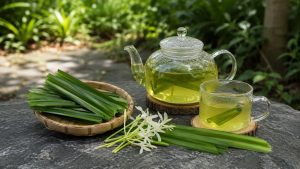
Pandan leaves can be used to make a simple fragrant tea. Fresh leaves are washed, cut into smaller pieces, and simmered in water.
The resulting drink has a mild, sweet aroma. Some people combine pandan with other ingredients such as ginger or lemongrass for a more complex flavor.
If you grow pandan at home, tea is one of the easiest ways to use leaves that are too small or irregular for other recipes.
Cooking Sticky Rice and Rice Dishes
Pandan is particularly popular in Southeast Asian rice dishes. Fresh leaves can be added to rice while it cooks, allowing their fragrance to infuse the rice.
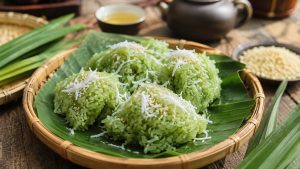
In some countries, pandan is also used when preparing sticky rice and sweet rice desserts. The leaves may be cooked together with the rice or used to wrap individual portions.
Pandan-flavored rice is popular across several Southeast Asian cuisines, although preparation methods vary from country to country.
Adding Flavor to Other Dishes
Pandan leaves are also used in desserts, cakes, puddings, drinks, sauces, and savory dishes.
The leaves can be blended with water to make pandan juice, which provides both aroma and a natural green color. Pandan juice is commonly used in cakes and desserts throughout Southeast Asia.
For savory cooking, whole leaves can be added to soups, rice dishes, or marinades. The leaves are usually removed before eating because their texture is tough.
How to Grow Pandan
Pandan is not a difficult plant to grow as long as you remember one thing: it loves warmth and moisture. I find it grows much better when the soil stays slightly moist instead of being allowed to dry out completely.
Growing Pandan in a Pot
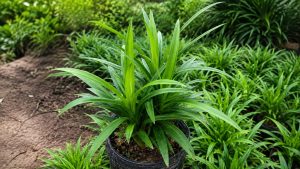
Growing pandan in a pot is a good choice if you live in a cooler climate. Use a fairly large container with drainage holes and fill it with rich, loose soil that holds moisture but does not stay soggy.
Place the pot where the plant gets plenty of sunlight. Pandan can handle some partial shade, but it tends to grow faster and produce stronger leaves when it receives several hours of bright light each day.
The other advantage of growing in a pot is that you can move the plant when the weather changes. When temperatures start getting cold, bring the pot into a warm, bright place. Pandan is a tropical plant, so prolonged cold weather can slow its growth or damage the leaves.
Growing Pandan in the Garden
If you live in a warm climate, pandan can be planted directly in the garden. Choose a spot that receives plenty of sunlight and has soil that stays moist.
Pandan likes moisture, but that does not mean the soil should remain flooded. Good drainage is still important. I prefer a spot where the soil holds water after watering but excess water can drain away naturally.
Adding compost or other organic matter before planting can help the soil retain moisture while keeping it loose enough for the roots to grow.
Give the plant plenty of room because pandan gradually produces new shoots around the base and can develop into a large clump.
How Long Does Pandan Take to Grow?
Pandan usually needs some time to become established after planting. If you start with a healthy young plant or rooted cutting and give it warm weather, moisture, and enough light, you may be able to harvest a few mature leaves after several months.
I would not rush the first harvest. Let the plant establish a good root system and produce plenty of new leaves first. Once it is growing strongly, you can begin cutting mature outer leaves for cooking.
Warm weather makes a noticeable difference. During the growing season, pandan can keep producing new leaves, allowing you to harvest a small amount regularly rather than cutting the whole plant at once.
Pandan in Hot and Cold Climates
Pandan is happiest in warm, humid conditions. If your climate is hot, keep the soil moist and give the plant enough sunlight, especially during its active growing season.
In cooler climates, growing pandan in a container is much easier. You can keep it outdoors during warm weather and move it somewhere protected when temperatures fall.
If the plant is exposed to cold for too long, growth can become very slow and the leaves may suffer. For gardeners in areas with cold winters, protecting the plant from the cold is often more important than anything else.
Give It Enough Space
Pandan can eventually form a large clump. The plant may also produce side shoots around the main plant.
Give outdoor plants enough room to spread. For container-grown pandan, choose a sturdy pot that provides enough space for the roots and allows the plant to remain stable as it grows.
How to Harvest Pandan Leaves
One of the best things about growing pandan is that you can harvest leaves without removing the entire plant.
Choose mature, healthy leaves from the outside of the clump. Use a clean, sharp knife or scissors to cut the leaf close to its base.
Avoid removing too many leaves at once. The plant needs enough foliage to continue growing and producing new leaves.
For regular household use, harvesting a few leaves whenever you need them is often better than cutting a large number of leaves at one time.
Freshly harvested leaves can be washed and used immediately. If you are not using them right away, keep them refrigerated in a sealed bag or container to help maintain their freshness and fragrance.
As the plant becomes established, it can produce new leaves continuously during favorable growing conditions.
Conclusion
Pandan is a useful tropical plant for gardeners who enjoy fresh, fragrant ingredients in the kitchen. Its long green leaves are easy to recognize, and their sweet aroma makes them valuable for tea, rice dishes, desserts, and many Southeast Asian recipes.
Give pandan warmth, bright light, moist but well-drained soil, and regular water, and it can provide fresh leaves for a long time. In cooler climates, growing it in a container makes it much easier to protect the plant from cold weather and enjoy fresh pandan at home.
Frequently Asked Questions
Is pandan easy to grow?
Yes. Pandan is generally easy to grow when it receives warmth, moisture, and bright light. The main challenge for gardeners in cooler climates is protecting it from cold temperatures.
Can pandan grow in pots?
Yes. Pandan grows well in containers and container growing is especially useful in regions with cold winters. Choose a large, sturdy pot with drainage holes.
Does pandan need full sun?
Pandan likes bright light but can tolerate partial shade. In very hot climates, some afternoon protection can help prevent the leaves from becoming stressed.
How often should I water pandan?
Keep the soil consistently moist, especially during warm weather. Water when the surface begins to dry, but avoid keeping the roots constantly waterlogged.
Can I harvest pandan leaves regularly?
Yes. Mature outer leaves can be harvested as needed. Avoid cutting too many leaves at once so the plant has enough foliage to continue growing.
Can pandan survive cold weather?
Pandan is a tropical plant and does not handle cold conditions well. If temperatures become too low, move container-grown plants indoors or into a warm, protected location.
What does pandan smell like?
Fresh pandan leaves have a distinctive sweet, floral aroma. The fragrance becomes stronger when the leaves are crushed or heated.