Hello, GardenGuideHub readers!
Today, I want to share a simple way to grow pandan at home. Just imagine having your own pandan plant right outside your door. Whenever you need a few fresh leaves for cooking, you can simply walk out to the garden and pick them, or reach over to the pot on your patio.
Just thinking about having fresh, fragrant pandan whenever you need it feels pretty wonderful, especially if you enjoy using it in rice, desserts, and drinks.
You don’t need a large garden or any special gardening skills to get started. Pandan can grow well in a container or in a small garden as long as you give it the conditions it likes.
So, let’s get started and see how you can grow your own pandan at home.
Choose a Good Place to Grow Pandan
The first thing I would pay attention to is the location.
Pandan likes warmth and plenty of light. Choose a spot that gets several hours of sunlight each day. Morning sun is especially nice, while a little afternoon shade can be helpful if your area gets very hot.
There is one thing I would not compromise on: good drainage.
Pandan likes moist soil, but the roots should not sit in water. Avoid places where rainwater collects or where the soil stays wet for a long time after watering.
If you have a small garden, a slightly raised area is often a good choice.
Growing Pandan in a Pot
If you don’t have much garden space, don’t worry. A pot is a perfectly good way to grow pandan at home.
Choose a reasonably large container with drainage holes at the bottom. I prefer a pot that gives the roots some room to grow rather than starting with a very small container.
Fill it with a simple, loose potting mix.
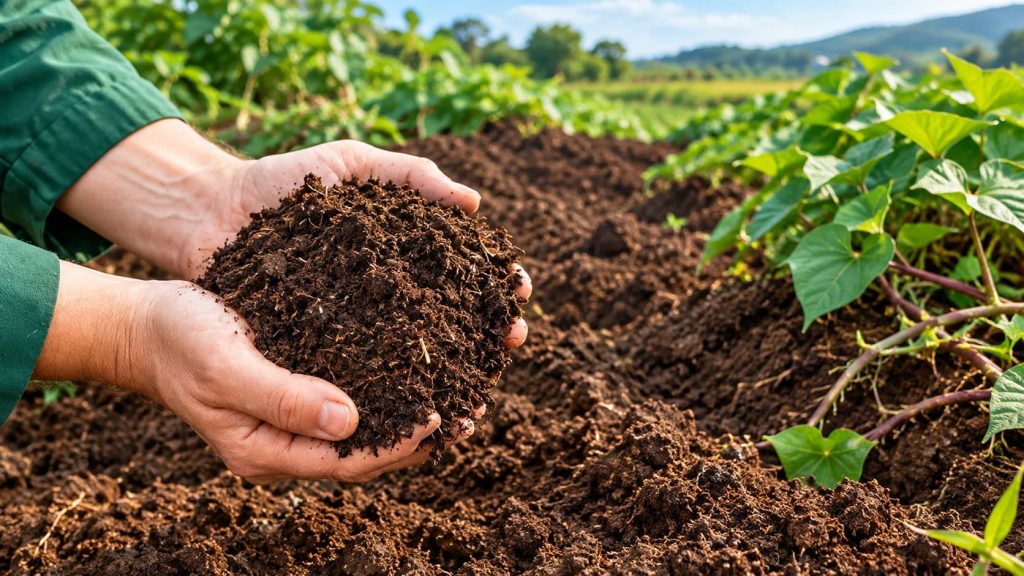
You don’t need to make the soil extremely rich. Pandan is not particularly demanding when it comes to soil. What matters more is that the soil can hold some moisture while allowing excess water to drain away.
Place the plant in the center of the pot and cover the roots with soil. Keep the base of the plant at about the same depth as it was before planting.
After planting, water it thoroughly and let the excess water drain out.
Then place the pot somewhere warm and bright.
That’s really all you need to do to get started.
Growing Pandan in a Small Garden
If you have a small piece of garden space, you can plant pandan directly in the ground.
Before planting, look at the soil after rain. If water tends to remain in that spot, choose another location or improve the drainage first.
Loosen the soil and remove large stones or anything that makes planting difficult.
Again, there is no need to fill the planting hole with lots of compost. A simple garden soil that drains reasonably well is enough.
Dig a hole slightly wider than the root ball and place the plant inside.
Cover the roots with soil and water thoroughly.
Give the plant enough space from nearby plants. Pandan can spread as it grows, and leaving some room around it makes watering and harvesting much easier.
Give Pandan Enough Light
Once the plant is in the ground or pot, make sure it gets enough light.
Pandan enjoys bright conditions and warm weather. A few hours of sunlight each day will help it produce healthy new leaves.
If your weather is extremely hot, especially during the afternoon, some light shade can protect the leaves from excessive heat.
You don’t need to find the perfect spot down to the exact number of hours of sunlight. Simply choose a bright, warm location and watch how the plant responds.
If it is producing new leaves and looks healthy, you have probably found a good place.
Keep the Soil Moist
Watering pandan is simple.
Check the soil with your finger. If the surface feels dry, give the plant a good watering.
Pandan likes consistent moisture, especially when it is young. However, don’t keep pouring water onto it if the soil is already wet.
This is why drainage is so important.
A potted pandan may need water more often during hot weather because containers dry out faster. A plant growing in the ground usually holds moisture for longer.
I find it easier to check the soil than to follow a strict watering schedule.
Don’t Overdo the Soil
One thing I would avoid is making the soil too rich.
It can be tempting to think that more compost and fertilizer will always make a plant grow better, but pandan doesn’t need an extremely fertile planting mix.
A basic potting mix works well for containers.
For garden growing, ordinary garden soil is fine as long as it is loose enough and drains properly.
If your soil is very heavy and stays wet, improving drainage is more useful than simply adding more organic matter.
Keep it simple.
Basic Care as the Plant Grows
Once your pandan is established, there isn’t much work involved.
Keep watering when the soil begins to dry, make sure the plant gets enough light, and remove old or damaged leaves when necessary.
If you are growing pandan in a pot, check the drainage holes occasionally to make sure they are not blocked.
You can also give the plant a mild general-purpose fertilizer from time to time during active growth, but don’t overdo it.
Healthy pandan doesn’t need constant feeding.
The best approach is to give it good growing conditions and let it grow naturally.
Give It Room to Grow
A small pandan plant can look harmless when you first bring it home, but it can become much larger over time.
If you are growing it in a pot, move it into a larger container when the roots become crowded.
If you are growing it in the garden, leave enough space around it from the beginning.
This makes the plant easier to care for and gives you plenty of room to reach in and cut fresh leaves when you need them.
When Can You Start Harvesting?
Once your pandan plant is well established and producing plenty of healthy leaves, you can begin harvesting.
I prefer to take a few mature leaves at a time rather than removing too many at once.
Use clean scissors or a sharp knife to cut the leaves close to the base.
There is no need to harvest heavily. If you only need a few leaves for cooking, take what you need and leave the rest of the plant to continue growing.
That is one of the best things about having pandan at home. You can simply step outside, cut a few fresh leaves, and bring them straight into the kitchen.
My Simple Pandan Growing Routine
If I were starting a pandan plant at home, I would keep the routine very simple.
First, I would choose a warm and bright location with good drainage.
Then I would decide whether a pot or a small garden bed would work better for my space.
I would use ordinary, well-draining soil rather than trying to create an extremely rich growing medium.
After planting, I would water thoroughly and then check the soil regularly.
If the soil feels dry, water it. If it is still moist, leave it alone.
Give the plant enough light, protect it from extreme conditions when necessary, and give it room to grow.
That’s it.
Final Thoughts
Growing pandan at home doesn’t have to be complicated.
Whether you plant it in a pot on your patio or in a small garden, the basic needs are the same: warmth, good light, moist soil, and good drainage.
You don’t need fancy equipment, expensive soil, or a large garden.
Once the plant settles in and begins producing healthy leaves, having fresh pandan just steps away from your kitchen is incredibly convenient.
Whenever you want to make fragrant sticky rice, a dessert, or a drink, you can simply walk outside, pick a few fresh leaves, and bring them straight back to the kitchen.
For me, that’s the real pleasure of growing pandan at home.