Growing healthy, productive lemon trees begins from the ground up. While citrus trees are famously resilient, their root systems are notoriously sensitive to poor drainage and incorrect soil chemistry.
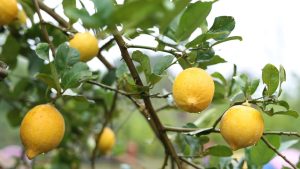
Whether you are planting a vibrant Meyer lemon in a backyard container or managing an orchard grove, understanding the foundation of soil science is the single most important step toward harvesting a heavy crop of juicy, fragrant fruit.
The Ideal Soil pH for Lemon Trees
Before examining physical soil structure, you must look at chemistry. Lemon trees thrive in a slightly acidic environment, with an ideal pH range between 6.0 and 6.5.
- Why pH Matters: Soil pH dictates how efficiently roots can absorb vital nutrients. If the pH drifts outside this optimal window—becoming too alkaline (above 7.0) or overly acidic (below 5.5)—crucial micronutrients like iron, manganese, and zinc become chemically locked in the soil.
- Symptoms of Incorrect pH: Iron chlorosis is the most common issue in alkaline soils, characterized by bright yellow leaves with stark green veins.
- Testing and Adjusting: Always test your soil with a reliable kit or meter before planting. If your soil is too alkaline, you can lower the pH by incorporating elemental sulfur or organic matter like peat moss. Conversely, if it is too acidic, applying agricultural limestone will help raise it to the desired sweet spot.
Understanding Optimal Drainage and Aeration
Lemon trees utterly despise “wet feet.” In their native habitats, they experience regular heavy rainfalls, but the water drains away almost immediately, leaving the roots bathed in oxygen.
Heavy clay soils hold onto moisture for far too long, suffocating the roots and inviting fungal pathogens like Phytophthora root rot. Therefore, drainage is non-negotiable.
- The Percolation Test: Before planting in-ground, dig a hole roughly 12 inches deep, fill it with water, and let it drain completely. Refill it and time how fast it drains. An acceptable rate is 2 to 3 inches per hour.
- Structural Goals: The ultimate environment balances water retention with high porosity. You want soil that holds onto enough moisture to hydrate the tree between waterings, yet sheds excess water instantly to keep the root zone oxygenated.
Crafting the Perfect DIY Lemon Soil Mix
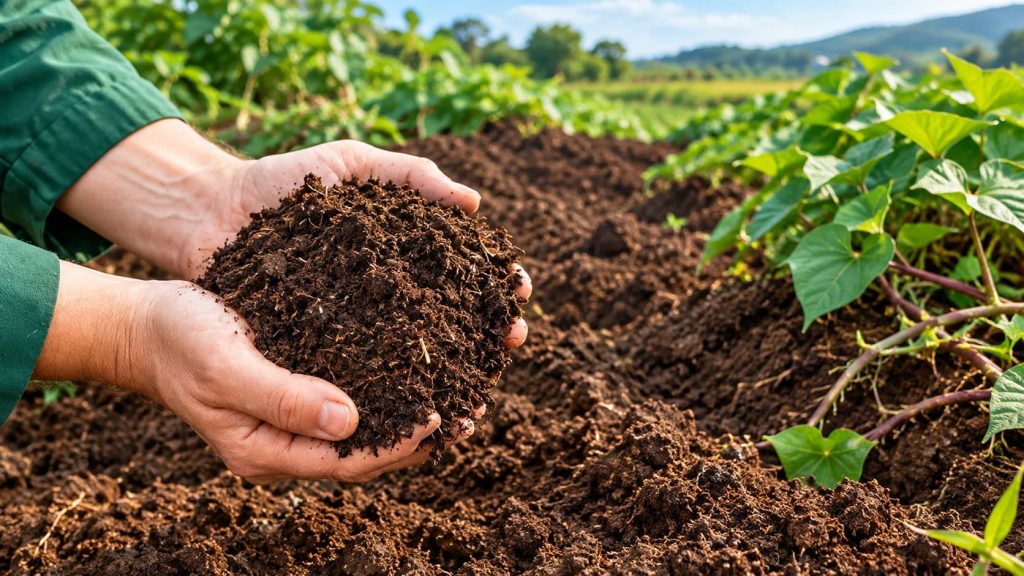
If you are growing lemons in containers or amending dense native earth, creating a custom blend ensures maximum vitality. A professional-grade potting mix should be loose, loamy, and rich in organic matter.
Recommended Ingredients
- Coarse Sand or Perlite (20–30%): Ensures rapid drainage, prevents compaction, and maintains aeration channels within the root zone.
- Compost or Aged Manure (30–40%): Provides a slow-release spectrum of essential macro and micronutrients while feeding beneficial soil microbes.
- Peat Moss or Coconut Coir (30–40%): Retains critical moisture and maintains the slight acidity lemons prefer.
When combining these elements, avoid using heavy garden soil straight from the yard in containers, as it compacts easily inside restricted spaces and chokes out root growth.
Key Lemon Soil Requirements for Long-Term Success
To keep your citrus thriving year after year, you must look beyond the initial planting phase and maintain proper soil health continuously.
When evaluating lemon soil requirements, growers must balance nutrient management, moisture control, and structural integrity. Citrus trees are heavy feeders; they require nitrogen, phosphorus, and potassium, along with steady supplies of calcium, magnesium, and iron.
- Organic Mulching: Apply a 2- to 3-inch layer of organic mulch—such as shredded bark or leaf mold—around the base of the tree to conserve soil moisture and regulate root temperature. Keep the mulch a few inches away from the trunk to prevent collar rot.
- Avoiding Compaction: Never pack down soil tightly around a lemon tree after watering, and avoid walking directly over the root zone of container plants or young garden trees.
- Salinity Control: Citrus plants are sensitive to salt buildup, particularly when fertilized with synthetic chemicals or irrigated with hard water. Flush containers thoroughly with plain water every few months to leach out excess mineral salts.
Conclusion
Mastering the soil environment for your citrus trees pays massive dividends at harvest time. By securing a well-aerated physical structure, maintaining a soil pH between 6.0 and 6.5, and supplying rich organic amendments, you lay the groundwork for lush foliage, fragrant blossoms, and abundant, sweet fruit. Invest time in your soil today, and your lemon trees will reward you for decades to come.