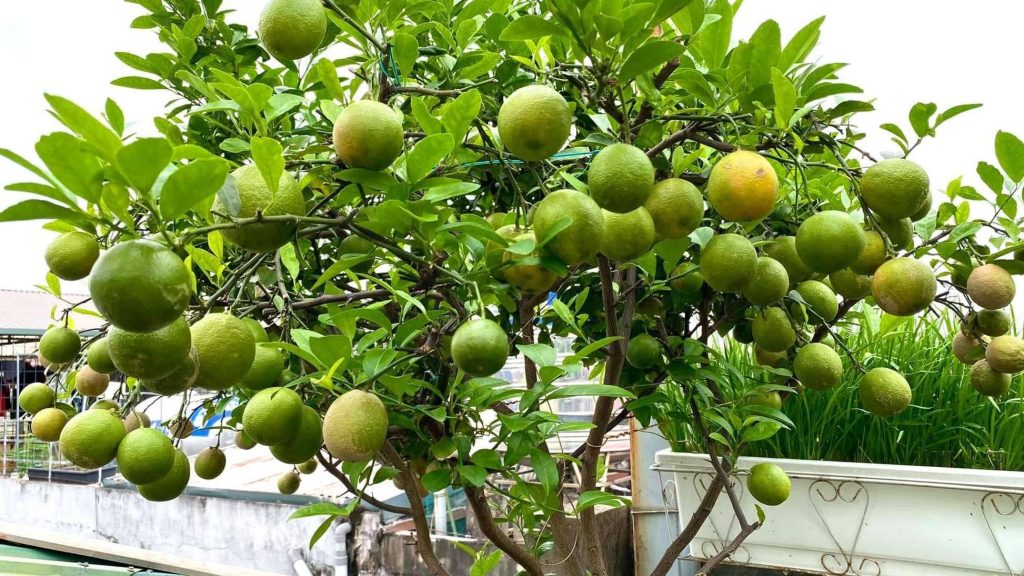
Getting better flowering and fruit set is usually not about one special fertilizer or a single trick. Lemon trees respond to their growing conditions as a whole. Sunlight, watering, nutrition, temperature, pruning, and pollinator activity all play a role.

By keeping these factors balanced, you can create conditions that encourage your tree to flower regularly and hold onto more developing fruit.
Understanding the Lemon Flowering Cycle
Before trying to increase flower production, it helps to understand the natural flowering habits of lemon trees. Many lemon varieties produce their main flush of flowers in spring when temperatures begin to rise. However, lemons can have several flowering periods during the year when growing conditions remain favorable.
Meyer lemons are especially well known for flowering and fruiting over an extended season. In warm climates, a healthy tree may have flowers, small developing fruit, and mature lemons at the same time.
Temperature changes often influence flowering. Cool winter conditions followed by warmer spring weather can help trigger a strong flowering period. In consistently warm areas, lemons may continue producing flowers whenever the tree has sufficient light, moisture, and nutrients.
The Role of Mild Stress
Interestingly, mild environmental stress can sometimes encourage a mature lemon tree to shift from producing leaves toward producing flowers. Allowing the soil to dry slightly between deep waterings may help signal that the plant should slow vegetative growth.
However, this does not mean deliberately allowing the tree to become severely dry. Prolonged drought can weaken the plant and cause flowers or young fruit to drop. The goal is simply to avoid keeping the root zone constantly saturated.
Give Young Trees Time
Tree age also matters. A lemon grown from seed can take several years to reach flowering maturity, sometimes five to seven years or more depending on the variety and growing conditions.
Grafted lemon trees generally reach reproductive maturity much sooner because the grafted portion comes from a mature fruiting plant. It is not unusual for a healthy grafted tree to begin flowering within its first few years.
If a young lemon tree is growing vigorously but has not flowered yet, patience may be more useful than aggressive feeding or pruning.
Nutrient Management for Abundant Blossoms
Nutrition has a major influence on flowering, but more fertilizer does not automatically mean more flowers. In fact, excessive feeding can create the opposite result.
Avoid Excess Nitrogen
Nitrogen encourages leafy, vigorous growth. Lemon trees certainly need nitrogen, but too much can push the plant toward producing long shoots and dense foliage while delaying or reducing flowering.
If your tree is extremely leafy and dark green but rarely produces buds, look at your fertilizer program before adding more nutrients. A citrus fertilizer with a balanced nutrient profile is generally more appropriate than repeatedly applying high-nitrogen products.
Phosphorus and potassium are also important for normal root development, flowering, and fruit production. Rather than focusing on one nutrient alone, aim for balanced nutrition throughout the growing season.
Optimizing Environmental Conditions
Even a well-fed lemon tree may struggle to flower if its growing environment is unsuitable.
Provide Plenty of Sunlight
Lemon trees are sun-loving plants. For strong growth and reliable flowering, aim for at least 6 to 8 hours of direct sunlight per day.
A tree growing beneath taller trees, beside a building, or in a heavily shaded corner may remain alive and leafy but produce fewer flowers. If possible, choose a location where the canopy receives direct morning and afternoon sunlight.
Container-grown lemons can sometimes be moved to a brighter location as the seasons change. When moving a tree from partial shade into intense sun, do so gradually to reduce the risk of leaf scorch.
Keep Watering Consistent
Water management is another important part of flowering and fruit development. Lemon trees prefer evenly moist soil but do not tolerate constantly wet roots.
Allow the upper portion of the soil to dry slightly before watering again, then water deeply enough to moisten the root zone. Avoid frequent shallow watering that keeps only the surface wet.
Sudden swings between severe drought and heavy watering can stress the tree. During flowering and early fruit development, these fluctuations may contribute to blossom and fruit drop.
Good drainage is especially important for container-grown lemons. Make sure excess water can escape freely through the drainage holes, and never allow the pot to sit in standing water.
Pruning Without Sacrificing Flowers
Pruning can also affect flowering. Lemon trees do not usually require heavy pruning to produce fruit, and excessive cutting can remove branches that would otherwise produce flowers.
Focus on removing dead, damaged, diseased, or crossing branches. Water sprouts and unwanted growth below the graft union should also be removed.
Avoid repeatedly cutting back healthy flowering branches simply to keep the tree smaller. If you need to reduce the size of a mature lemon tree, make gradual cuts rather than removing a large portion of the canopy at once.
Good pruning should improve light and airflow without drastically reducing the tree’s productive wood.
Enhancing Pollination in the Backyard
Once your lemon tree begins producing flowers, pollination becomes the next part of the process. Fortunately, most lemon varieties are self-fertile, so you generally do not need a second lemon tree to produce fruit.
Each flower contains both male and female reproductive structures. Pollen can move within the flower, and insects visiting the blossoms can help spread pollen between flowers.
Encourage Bees and Other Pollinators
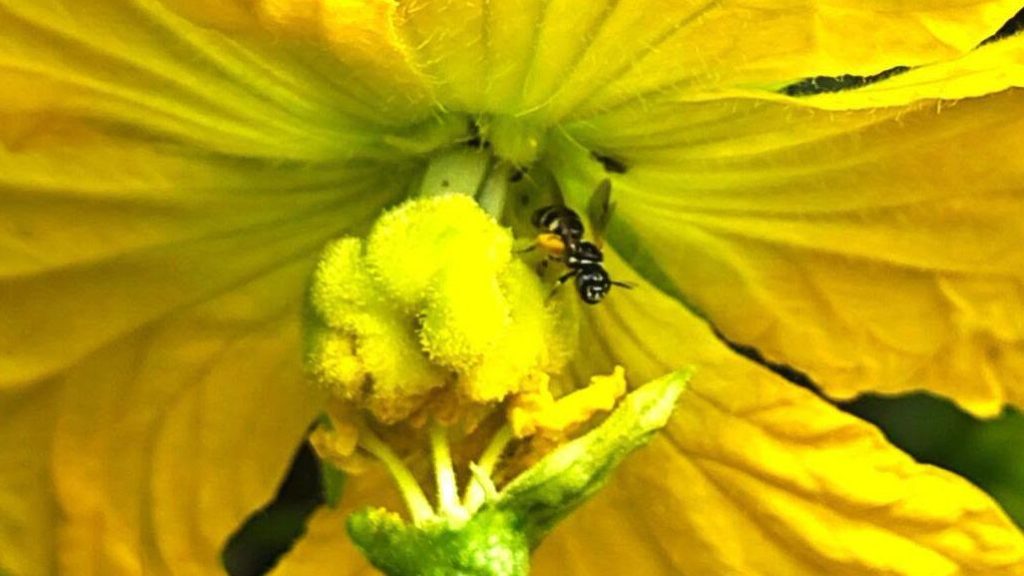
Bees and other beneficial insects can be valuable visitors during the flowering period. Instead of relying entirely on manual pollination, make your backyard more attractive to pollinators.
Plant flowering species such as lavender, marigolds, or sweet alyssum near the lemon tree. Choose a mixture of plants that bloom at different times so that pollinators have food sources throughout the growing season.
Avoid spraying broad-spectrum insecticides while the tree is actively blooming whenever possible. These products can affect beneficial insects as well as unwanted pests.
A diverse backyard garden can provide a more welcoming environment for bees and other pollinating insects.
Hand Pollination for Indoor Trees
Outdoor lemon trees usually have access to enough insect activity, but indoor plants and enclosed greenhouse trees may need some assistance.
Hand pollination is simple. Use a small, clean, soft paintbrush or cotton swab and gently touch the inside of an open flower. Move the brush between the pollen-bearing anthers and the stigma to help transfer pollen.
There is no need to brush every flower repeatedly. A gentle touch during the period when the flowers are open is usually sufficient.
Hand pollination can be particularly useful when growing a lemon tree in an apartment, screened enclosure, or greenhouse where natural pollinators cannot easily enter.
Final Thoughts
Encouraging more flowers and better fruit set on a backyard lemon tree is mostly about creating stable, favorable growing conditions. Give the tree plenty of sunlight, maintain consistent moisture without waterlogging the roots, and provide balanced nutrition instead of excessive fertilizer.
By fine-tuning your watering habits, supplying the right balance of nutrients, and ensuring active insect or manual assistance, you can easily transform a reluctant tree into a high-yielding producer of beautiful lemon tree blooms.