If you have spent weeks tending to your cool-season garden, watching those peculiar, alien-looking bulbs swell above the soil, you are probably wondering: When is it actually time to pick them? Kohlrabi is one of the most rewarding vegetables to grow, but timing is everything.
Pick it too early, and you may miss out on yield; wait too long, and your crisp, tender vegetable can turn into a tough, woody chore.
Beyond knowing when to harvest kohlrabi, understanding how to store it properly and make the most of it in the kitchen can completely change how you view this unique brassica. Whether you plan to eat it raw like an apple or roast it until tender and golden, here is a complete guide to harvesting, storing, and cooking kohlrabi.
Signs That Your Kohlrabi Is Ready to Harvest
Unlike root vegetables, where you have to guess what is happening underground, kohlrabi grows above the soil. This makes it easy to check as it develops. However, size alone does not always tell the whole story.
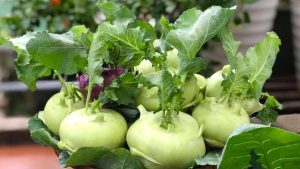
- The Ideal Size: For most standard varieties, harvest the bulb when it reaches 2 to 3 inches in diameter, roughly the size of a tennis ball. Some larger varieties can grow bigger, but standard types may become woody and fibrous if left in the garden too long.
- Texture and Firmness: Gently press the skin with your fingernail. A mature kohlrabi should feel firm and crisp rather than rock-hard or soft and spongy.
- Skin Appearance: The skin should have a healthy, smooth appearance, ranging from light green to deep purple depending on the variety. Dull, cracked, or damaged skin can be a sign that the bulb has been left too long.
If you are just getting started with kohlrabi or want to learn more about its flavor and characteristics, check out our complete guide to what kohlrabi tastes like and its nutritional profile.
Step-by-Step: How to Harvest Kohlrabi Correctly
Harvesting kohlrabi is quick and requires only a few basic garden tools. Follow these simple steps to avoid damaging the plant or disturbing nearby crops:
- Choose the Right Time of Day: Harvest in the early morning when the plant is well hydrated and crisp from the cool overnight temperatures. Avoid picking during the heat of the afternoon.
- Use Sharp Garden Shears or a Knife: Do not try to twist or pull the bulb from the ground. The root system can be surprisingly tough, and pulling can disturb nearby plants. Instead, use a clean, sharp knife or pair of pruners to cut the main stem just below the bulb.
- Trim the Leaves and Roots: Remove the large outer leaves, but don’t throw them away—they are edible and can be cooked just like other leafy greens. Trim the bottom root close to the base of the bulb before storing or preparing the kohlrabi.
Proper Storage Methods to Maximize Freshness
Once harvested, kohlrabi can gradually lose its crisp texture if it is left sitting at room temperature. Proper storage helps keep the bulbs fresh, firm, and crunchy for weeks.
- Short-Term Refrigeration: If you plan to eat your harvest within a week or two, remove the leaves first because they draw moisture from the bulb. Place the trimmed bulbs in a perforated plastic bag and store them in the crisper drawer of your refrigerator. Properly stored kohlrabi can stay fresh for about 2 to 4 weeks.
- Freezing for Long-Term Storage: Freezing is a useful option when you have more kohlrabi than you can eat fresh. Peel the bulbs, cut them into bite-sized cubes or slices, and blanch them in boiling water for 2 minutes. Immediately transfer them to an ice bath to stop the cooking process. Drain thoroughly, pat dry, and pack them in airtight freezer bags. Properly blanched kohlrabi can maintain good quality in the freezer for about 8 to 10 months.
Best Culinary Uses: How to Prep and Cook Kohlrabi
If you have never cooked with kohlrabi before, its flavor falls somewhere between a mild broccoli stem, a crisp radish, and a sweet cabbage heart. Its versatility makes it easy to use in everything from fresh salads and slaws to roasted side dishes and hearty soups.
Raw Preparation (Crisp and Refreshing)
Before eating kohlrabi raw, peel the bulb. The outer skin can be tough and fibrous, especially on larger or more mature bulbs. Use a sharp vegetable peeler or paring knife to remove the skin until you reach the pale, juicy interior.
- Kohlrabi Slaw: Grate peeled kohlrabi and carrots, then toss them with a tangy apple cider vinegar dressing for a crisp alternative to traditional coleslaw.
- Snack Sticks: Cut the bulb into thin sticks and serve them with ranch dressing, hummus, or another favorite dip for a simple garden-fresh snack.
Cooked Preparation (Warm and Savory)
Cooking softens kohlrabi’s mild peppery bite and brings out a buttery texture with a subtle sweetness.
- Roasted Kohlrabi Cubes: Toss peeled, cubed kohlrabi with olive oil, salt, black pepper, and garlic powder. Roast at 400°F (200°C) for 25 to 30 minutes, or until tender and lightly caramelized. It makes a tasty alternative to roasted potatoes.
- Creamy Kohlrabi Mash: Boil chunks of kohlrabi, either alone or with potatoes, until fork-tender. Mash with butter, heavy cream, and chopped chives for a smooth and comforting side dish.
- Stir-Fries and Soups: Slice kohlrabi into thin rounds or half-moons and add it to stir-fries, vegetable soups, or stews. It holds its shape well while becoming tender without turning mushy.
Don’t Waste the Greens!
Many beginner gardeners throw away the leafy tops, but kohlrabi greens are completely edible. Treat them much like kale, collard greens, or Swiss chard. Wash them thoroughly to remove any grit, remove overly thick stems, and sauté the leaves in a little olive oil with minced garlic and a splash of lemon juice.
The young, tender leaves can also be added to soups, stir-fries, or other cooked vegetable dishes, making it possible to use almost the entire plant after harvest.
Final Thoughts
Learning when to harvest and how to use kohlrabi opens up another rewarding part of growing this unusual vegetable. Harvesting the bulbs while they are still around 2 to 3 inches across helps preserve their crisp texture and mild flavor. With proper storage and a little creativity in the kitchen, you can enjoy kohlrabi fresh, roasted, mashed, or added to everyday meals.
Once you experience the difference between freshly harvested kohlrabi and store-bought bulbs, you may find yourself giving this underrated brassica a permanent place in your garden.