When I first started growing my own vegetables, I was obsessed with neatness. Every row was weeded to bare earth, spent plants were cleared immediately, and flowers were strictly kept in separate ornamental borders. The result? A very clean garden that sat strangely quiet during peak summer. My squash blossoms dropped without setting fruit, and my tomatoes struggled to produce heavily.
It didn’t take long to realize that a productive vegetable garden doesn’t exist in isolation. It relies on a busy, buzzing community of pollinators—bees, hoverflies, butterflies, moths, and beneficial beetles. Over the years, I shifted my approach from maintaining a sterile growing space to building a working ecosystem. Attracting pollinators isn’t about buying expensive bug hotels or chasing quick fixes; it is about making small, intuitive adjustments to how you manage your soil, plants, and space.
Here are the most effective, hands-on strategies I’ve learned over seasons of dirt under my fingernails.
1. Interplant Flowers Directly into Your Vegetable Beds
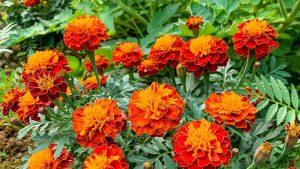
One of the biggest shifts in my gardening routine was breaking down the wall between the flower patch and the veg patch. Planting flowers right alongside your crops creates a mixed canopy that acts as a beacon for pollinators. When a bumblebee is drawn in by a bright marigold, it is much more likely to wander over to your nearby tomato or pepper blossoms.
Instead of dedicating entire beds strictly to flowers, I tuck companion plants everywhere:
-
Bed Edges and Corners: Marigolds, nasturtiums, and alyssum work brilliantly along the borders of raised beds, providing ground cover while flowering continuously.
-
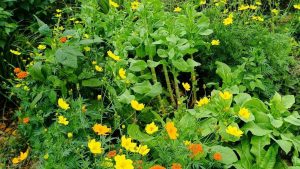
Vertical Gaps: Tall growers like sunflowers, cosmos, and tithonia (Mexican sunflower) can be planted at the northern ends of beds so they don’t shade out lower crops. They act as visual signposts for flying insects from afar.
-
Underplanting: Low-growing, nectar-rich blooms can be planted beneath taller, long-season crops like sweetcorn or trellised beans.
By interplanting, you shorten the flight distance for foraging insects, making your garden an efficient “one-stop shop” for nectar, pollen, and crop pollination.
2. Diversify Flower Shapes, Colors, and Bloom Times
Not all pollinators are built the same, and assuming one type of flower will satisfy every insect is a common pitfall. A honeybee’s tongue, a butterfly’s proboscis, and a tiny native solitary bee’s mouthparts all require different blossom structures.
To build a genuinely supportive garden, aim for variety across three key areas:
-
Flower Architecture:
-
Open, flat faces (like zinnias, echinacea, and sunflowers) provide landing pads for larger insects like butterflies and bumblebees.
-
Umbel clusters (like yarrow, dill flowers, and fennel) feature tiny, shallow blossoms that allow tiny beneficial wasps and hoverflies easy access to nectar.
-
Tubular blooms (like salvia, foxgloves, and snapdragons) are custom-built for long-tongued bees and hummingbirds.
-
-
Color Spectrum: Bees are particularly drawn to blues, purples, whites, and yellows, while butterflies and birds often target bright reds and oranges. A vibrant color palette naturally broadens the range of visitors.
-
Successional Blooming: A garden that bursts into flower in July but offers nothing in May or September leaves pollinators stranded. I blend early-spring bulbs and cool-weather annuals with mid-summer heat-lovers and late-season asters or goldenrod. This ensures a steady food supply from the moment queen bees emerge in spring until they prepare for winter.
3. Let Your Herbs and Spent Crops “Bolt”
If there is one simple habit that completely transformed my garden’s pollinator activity, it is letting certain crops run to flower—a process known as bolting.
Early in my gardening journey, the moment a head of lettuce or a basil plant started sending up a flower stalk, I would pull it up to make room for something else. Now, I deliberately let a portion of my herbs and brassicas complete their life cycle.
-
Herbs: Basil, dill, cilantro, parsley, chives, oregano, and thyme produce some of the most nectar-dense flowers in the entire garden. A patch of flowering chives in late spring or a flowering basil plant in late summer will literally hum with bee activity all day long.
-
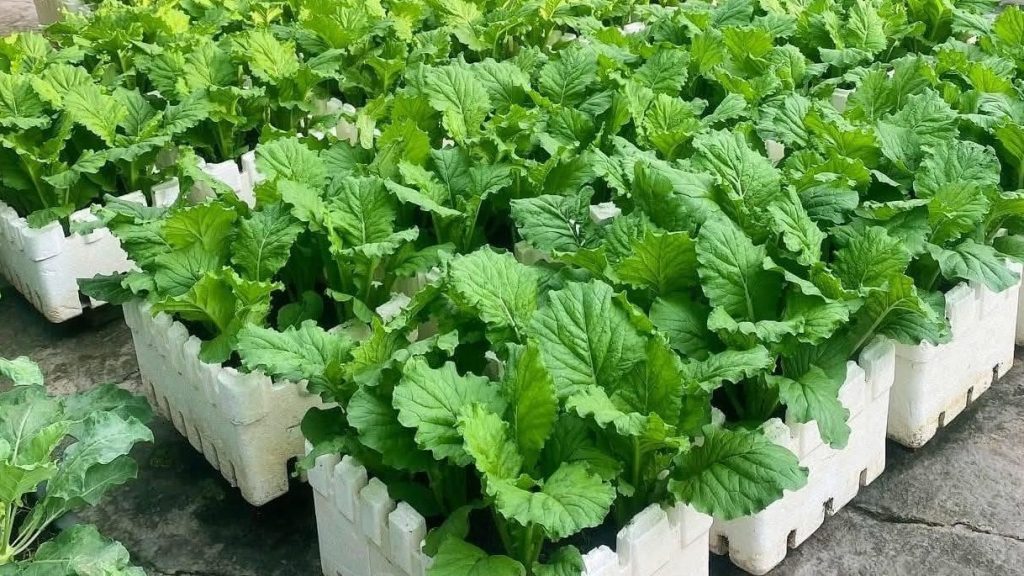
Vegetables: Allow a few broccoli heads, kale plants, or radishes to bloom. Their bright yellow and white cross-shaped flowers appear early in the season when other nectar sources might still be scarce.
Leaving spent plants in the ground a week or two longer costs nothing, saves labor, and delivers an instant boost to local insect populations.
4. Create Safe and Shallow Water Stations
We often focus so much on food that we forget pollinators need hydration just as much as we do. Searching for water takes energy, and deep birdbaths or garden buckets are notorious drowning hazards for heavy bees and delicate butterflies.
Creating a safe watering station is straightforward and takes less than five minutes:
-
Take a wide, shallow saucer or terracotta dish.
-
Fill it with flat stones, river pebbles, or clean gravel.
-
Add water—just enough to cover the bottom half of the stones, leaving the tops exposed.
The exposed stones act as dry landing pads. Bees can land safely, walk down to the water’s edge, and drink without risk of falling in. Place these stations near your flowering beds in a sheltered, sunny spot, and remember to top them up and rinse them out regularly during warm dry spells.
5. Embrace “Structural Mess” for Nesting and Shelter
A spotless garden is a difficult environment for wildlife. Most native bees do not live in hives; they are solitary creatures that nest in small hollow stems, dead wood, or bare patches of soil.
Over time, I’ve learned to get comfortable with leaving certain corners of the garden a little wild:
-
Leave Plant Stems Over Winter: Instead of cutting perennial flowers and hollow-stemmed herbs back to ground level in autumn, leave 8 to 12 inches of stem standing. Solitary carpenter and mason bees use these hollow stems as winter nurseries for their larvae.
-
Ditch the Heavy Mulch Everywhere: While mulching beds is great for moisture retention, covering every single inch of soil with wood chips or plastic weed fabric blocks ground-nesting bees—which make up roughly 70% of native bee species. Leave a small, sunny patch of undisturbed, unmulched soil near the garden edge for them to burrow.
-
Keep a Brush Pile: A modest stack of fallen branches, dry leaves, and hollow twigs tucked away in a shady corner offers essential shelter for overwintering queen bumblebees, predatory beetles, and amphibians.
6. Rethink Pest Management and Chemical Use
This is perhaps the most critical rule in a pollinator-friendly garden: if flowers are in bloom and insects are active, put the chemical sprays away.
Even treatments labeled as “organic” or “natural” (such as insecticidal soaps, neem oil, or pyrethrins) do not discriminate between a harmful aphid and a beneficial honeybee. Spraying an open blossom—even in the evening—can contaminate the nectar and pollen that insects carry back to their nests.
When pest problems inevitably pop up, my approach is simple:
-
Observe Before Acting: A sudden outbreak of aphids often attracts ladybugs and hoverfly larvae within a few days. If you spray immediately, you destroy the food source for the very predators that would have solved the problem for you naturally.
-
Tolerate Minor Damage: A few chewed leaves or cosmetically imperfect vegetables are a normal, healthy part of a living garden.
-
Target Hand-Picking First: Physical barriers, row covers, and picking pests off by hand are far safer for your resident pollinators than blanket chemical treatments.
7. Observe, Reflect, and Adapt Season by Season
Laying out a garden based on book advice is a good starting point, but observing your own microclimate is where real progress happens. Every garden has unique wind patterns, sun exposure, and local insect populations.
Set aside ten minutes every few days to simply sit by your beds during the warm hours of late morning or early afternoon. Watch which plants get the most traffic. You might discover that the bumblebees in your area ignore a prized flower variety entirely, but go crazy for a humble patch of borage or cosmos.
Take mental or written notes on what works:
-
Which flowers bloomed earliest?
-
What blooms attracted the widest variety of insects?
-
Which vegetable crops had the best fruit set when planted near specific flowers?
Gardening is a continuous conversation with nature. By watching what attracts your local wildlife this year, you can fine-tune your seed lists and garden layouts for the next season without relying on guesswork.
Final Thoughts
Transforming a vegetable garden into a thriving pollinator sanctuary does not happen overnight, nor does it require a complete landscape overhaul. It begins with small, intentional shifts in perspective: choosing to leave a basil plant in bloom, placing a saucer of pebbles near your squash, or leaving a small corner of the yard untamed.
As your garden matures and offers a reliable mix of food, water, and shelter, the word gets out. You will notice more life, hear more buzzing, and ultimately harvest healthier, more abundant crops. Nature is remarkably resilient—give it a little room to work, and it will do the heavy lifting for you.