Growing vegetables in foam boxes is nothing new for many home gardeners. In cities, this method has become especially popular because not every home has a large piece of land for a garden. With a few foam boxes, some good soil, and a spot with enough sunlight, you can grow many familiar vegetables right at home.
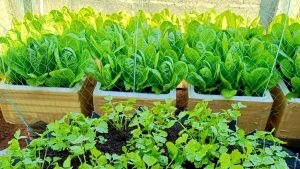
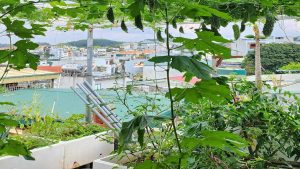
What I like most about this method is that it saves money and makes good use of limited space. A rooftop, balcony, small patio, or even an empty corner beside the house can be turned into a small vegetable garden. For people living in the city who want to enjoy vegetables they have grown themselves, it can also be a nice way to relax after a busy day.
There is something satisfying about stepping outside in the morning and seeing a little more growth than the day before, spotting new leaves, or picking a basket of fresh greens for a family meal. In this article, Garden Guide Hub shares some of the lessons I have picked up from years of growing vegetables in containers, especially the simple things that can make a big difference. If they are overlooked, plants can easily grow slowly or suffer from excess water.
What Do You Need to Prepare?
Before planting, prepare the boxes, choose a good location, and get the soil ready. These simple steps make the garden easier to manage later.
Step 1: Prepare the Foam Boxes
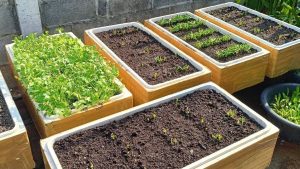
Foam boxes are lightweight, easy to find, and useful when you have limited garden space. Choose boxes that are still strong and deep enough for the roots.
The most important thing is good drainage. Make several holes in the bottom so excess water can escape. I usually place the boxes on bricks or a low stand to keep them off the ground and improve drainage.
Step 2: Choose the Right Location
Most vegetables need plenty of natural light, so place the boxes where they can get enough sun. On very hot rooftops, watch the plants closely because the soil and roots can dry out quickly.
Leave enough space between boxes for watering, harvesting, and airflow. I have found that using every inch of space often causes problems once the plants become larger.
Step 3: Choose the Right Vegetables
For beginners, leafy greens such as water spinach, mustard greens, bok choy, lettuce, amaranth, green onions, and herbs are good choices.
Larger boxes can also be used for tomatoes, peppers, cucumbers, and beans, although these plants need more space and support.
Choose varieties that suit your local weather. I also like to plant a few boxes several days apart so the vegetables are ready to harvest at different times.
Prepare Loose, Well-Draining Soil
Good soil is important for healthy roots. Avoid heavy, compacted soil that holds too much water. A suitable container mix combined with some well-rotted compost can improve drainage and soil texture.
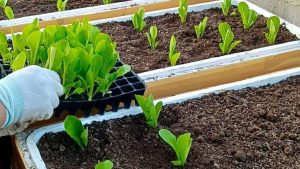
Before sowing, lightly moisten the soil. Cover small seeds with a thin layer of soil and water gently. As the plants grow, watch their overall condition instead of adding too much fertilizer.
My Tips for Avoiding Waterlogged Soil and Hot Roots
Too much water and excessive heat are common problems with foam boxes. If the soil stays wet for a long time, check the drainage holes and reduce watering.
During heavy rain, move smaller boxes to a covered area if possible. In very hot weather, protect the boxes from intense afternoon heat while still giving the plants enough sunlight and airflow.
I usually check the soil before watering. If it is still moist underneath, I wait instead of watering again. This simple habit helps prevent overwatering.
Harvest and Prepare for the Next Crop
Once the vegetables are large enough, harvest them instead of leaving them to grow for too long. With many leafy vegetables, you can pick the outer leaves first and allow the plant to continue producing new growth when the variety responds well to this method.
After each crop, don’t simply pull out the old plants and immediately sow new seeds without checking the soil. I usually remove old roots, dry leaves, and leftover plant material first. Then I loosen the top layer of soil and add some organic material if needed before preparing for the next crop.
If the previous plants showed clear signs of pests or disease, cleaning up the old plant material becomes even more important. Don’t leave diseased leaves sitting in the box because they can create problems for the next crop.
I also like to rotate different types of vegetables instead of growing the same thing over and over. It keeps the garden more interesting and gives you a wider selection of vegetables to use in the kitchen.
Final Thoughts
Final Thoughts
Growing vegetables in foam boxes doesn’t require a beautiful garden or a large investment. With a few reusable boxes, suitable soil, some seeds, and a location with enough light, you can start growing vegetables even when you live in a city.
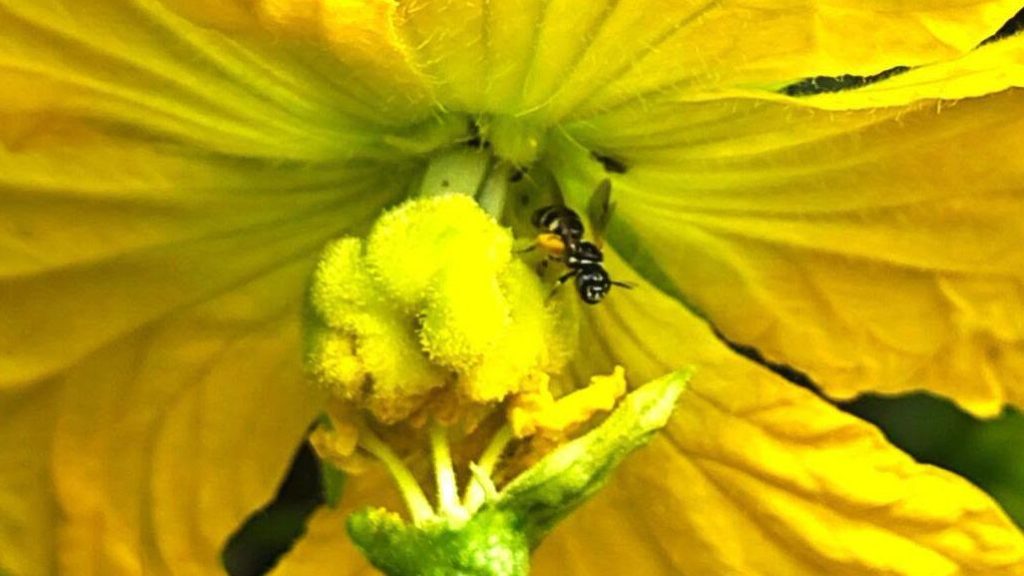
The most important thing is to understand the conditions of the space you actually have. A sunny rooftop is different from a shaded balcony, and the rainy season requires a different approach from the dry season. After growing a few crops, you’ll naturally learn which locations work best, which vegetables are easiest for you, and how much water your plants really need. You can also add a few flowering plants nearby to attract bees and other pollinators.
And perhaps the most valuable part isn’t just the vegetables you harvest. It’s the time spent caring for the plants, watching them grow little by little, and having a small place to slow down and relax in the middle of a busy city life.