Kohlrabi (Brassica oleracea var. gongylodes) is a crisp, mildly sweet vegetable valued for its versatility and nutrition. Easy to grow at home, it thrives in cool weather and well-drained soil.
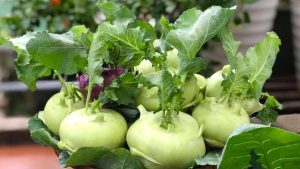
This guide covers kohlrabi’s characteristics, growing conditions, planting techniques, care, pest management, and harvesting for healthy, flavorful bulbs.
Nutritional Value and Benefits of Kohlrabi
Before getting started with planting, understanding why kohlrabi is so popular can be a great source of motivation. Kohlrabi belongs to the cabbage family and is closely related to cabbage, broccoli, and collard greens. Although the swollen part that looks like a bulb above the ground is actually a modified stem, it has an impressive nutritional value.
- Rich in Vitamin C and antioxidants: Kohlrabi is an excellent source of vitamin C. This nutrient plays an important role in supporting the immune system, protecting the body from free radicals, slowing cellular aging, and improving iron absorption.
- High in fiber: The abundant fiber in kohlrabi supports healthy digestion, helps prevent constipation, and may also help maintain healthy blood sugar and cholesterol levels.
- Low in calories and suitable for weight management: Because kohlrabi is low in calories while containing plenty of water and fiber, it can be an excellent food choice for people who want to maintain their weight or follow a healthy eating plan.
- Essential minerals: Kohlrabi contains potassium, copper, manganese, and several B vitamins. Potassium plays an important role in regulating blood pressure and supporting healthy cardiovascular function.
Biological Characteristics and Growing Season
To help kohlrabi grow successfully, understanding its growth characteristics and choosing the right growing season are essential.
Biological Characteristics
- Root system: Kohlrabi has a relatively shallow fibrous root system, concentrated mainly in the top 6–12 inches of soil. Therefore, the growing soil should be loose and well-aerated so the roots can absorb oxygen and nutrients easily.
- Stem and bulb: During the early stage, the plant develops its true leaves. Later, the short stem above the soil gradually swells and develops into a round bulb.
- Temperature: Kohlrabi prefers mild, cool weather. The ideal temperature range for growth and bulb development is 59°F to 68°F (15°C to 20°C). When temperatures are too high, the plant may grow poorly and produce small, fibrous bulbs that are more vulnerable to pests and diseases. In contrast, temperatures below 41°F (5°C) can significantly slow growth.
Kohlrabi Growing Season in the U.S. and Europe
Kohlrabi grows best in cool weather and is usually planted in early spring or late summer for a fall harvest.
- U.S.: Plant in spring or late summer. In mild climates, kohlrabi can also be grown through fall and winter.
- Europe: Spring and fall are the main growing seasons. In warmer southern regions, fall and winter are often ideal.
- Warm areas: Grow during the coolest months and avoid extreme summer heat.
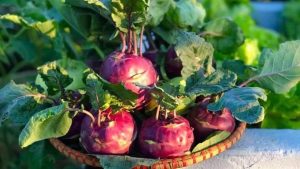
Preparing the Soil and Selecting Quality Seeds
A good start can determine much of the success of the entire growing process.
Soil Preparation
Kohlrabi is not extremely demanding about soil, but it grows best in light loamy or sandy-loam soil that is loose, moisture-retentive, and well-drained.
- Soil pH: The ideal range is 6.0 to 6.8.
- Soil preparation: About 7–10 days before planting, thoroughly loosen and turn the soil and allow it to dry and air out. This helps reduce pathogens, weeds, and insect eggs hiding in the soil. Then apply a base dressing of well-rotted manure or worm castings, along with organic microbial fertilizer and a small amount of agricultural lime to help sanitize the soil and balance the pH.
- Growing in containers or foam boxes: If you are growing kohlrabi on a rooftop or balcony, prepare plastic pots or foam boxes with drainage holes in the bottom. Mix the growing medium using garden soil, coco coir or rice hulls, and organic fertilizer at a ratio of 2:1:1.
Choosing Seeds
Look for high-quality F1 hybrid kohlrabi seeds from reputable agricultural supply stores. Good-quality seeds generally have high germination rates, produce healthy seedlings, have better resistance to pests and diseases, and develop uniform, firm bulbs with less fiber.
Seed Sowing and Transplanting Techniques
Instead of sowing seeds directly into a large garden bed, where they can easily be eaten by insects or washed away during watering, starting seedlings in trays and transplanting them later can provide much better results.
Step 1: Soaking and Pre-Germinating the Seeds
- Remove any shriveled or malformed seeds.
- Soak the seeds in warm water at approximately 122°F (50°C), using a ratio of 2 parts boiling water to 3 parts cool water, for 3–4 hours. This helps soften the seed coat and encourages the embryo to begin germinating.
- After soaking, rinse the seeds with warm water and wrap them in a clean, damp cloth. Keep the cloth in a warm location for approximately 24–36 hours until the seeds begin to crack and small white roots emerge.
Step 2: Sowing Seeds in Seed Trays or Pots
- Fill a seed-starting tray or small containers with a loose, well-draining growing medium.
- Sow one seed into each cell or container, cover it with a thin layer of soil about 0.2 inches deep, and gently mist the surface with water.
- Place the seed tray in a well-ventilated location away from harsh, direct sunlight. Check the moisture level daily and water gently to keep the growing medium evenly moist.
Step 3: Transplanting the Seedlings
- After approximately 20–25 days, the seedlings should be about 4–5 inches tall, sturdy, and have 4–5 true leaves without visible signs of pests or disease. This is the ideal time to transplant them into the garden or permanent containers.
- Plant spacing: Maintain approximately 10–12 inches between plants and 12–14 inches between rows. This provides enough room for the leaves to develop and allows the bulbs to swell evenly without crowding.
- Planting method: Dig a small hole large enough to accommodate the root ball. Place the seedling into the hole, gently fill the soil around the roots, and lightly firm the soil to stabilize the plant. Avoid planting too deeply or covering the growing point. Water thoroughly immediately after transplanting to help the seedlings establish and recover quickly.
Tips for Growing Large, Sweet, and Juicy Kohlrabi
Proper care is one of the most important factors determining the quality of kohlrabi bulbs. Maintain consistent care and follow these basic principles.
Watering
Kohlrabi prefers consistent moisture but is highly sensitive to waterlogged soil.
- Frequency: Water regularly 1–2 times per day, preferably in the early morning or late afternoon, depending on the weather. During hot, sunny days, the plants lose more water through their leaves, so make sure the soil does not become completely dry.
- Important note: Insufficient water can result in stunted bulbs, rough skin, and fibrous, tough flesh with less natural sweetness. On the other hand, excessive watering and waterlogged soil can cause root rot, yellowing leaves, and fungal diseases.
Sunlight and Growing Location
- Kohlrabi should be grown in a location with plenty of sunlight, ideally receiving at least 6 hours of direct sunlight each day. Adequate sunlight supports strong photosynthesis and helps the plant produce and store enough nutrients for rapid bulb development and good size.
Regular Fertilization
To provide sufficient nutrients for bulb development, divide fertilizer applications into several stages:
- First side-dressing (10–15 days after transplanting): Once the plants have established roots and begun producing new leaves, apply worm castings, well-rotted manure, or a diluted NPK fertilizer around the base of the plants to encourage healthy leaf growth.
- Second side-dressing (30–35 days after transplanting): This is an especially important stage because the plants are beginning to enter the bulb-swelling stage. Apply fertilizer with sufficient potassium and nitrogen, such as potassium chloride combined with NPK fertilizer, to encourage rapid bulb growth and firm, juicy flesh.
- Important note: About 10–15 days before harvest, completely stop fertilizing and reduce the amount of water applied. This helps the bulbs retain a higher sugar concentration and develop a sweeter flavor while also allowing excess nitrate levels in the bulbs to decrease before harvest.
Hilling and Weeding
- When the plants begin entering the bulb-swelling stage, usually around the middle of the growing cycle, gently loosen and mound soil around the base of the plants. Hilling can help support the plants, encourage evenly shaped bulbs, and reduce the risk of the plants falling over in strong winds. It can also help protect the bulb from direct sunlight that may cause discoloration or hardening.
- Regularly remove weeds around the plants to prevent them from competing with kohlrabi for water and nutrients.
Managing Kohlrabi Pests and Diseases
Although kohlrabi is a relatively vigorous vegetable, it can still be attacked by several pests and diseases throughout its growing cycle. Early identification and timely action can help protect the crop.
Common Pests
- Cabbage worms, diamondback moth larvae, and armyworms: These pests commonly feed on the leaves, chewing holes through the leaf surfaces and reducing the plant’s ability to photosynthesize.
- Management: For home gardens, hand-pick caterpillars in the early morning or late afternoon. You can also install insect netting from the beginning of the growing season to prevent adult moths from reaching the plants and laying eggs.
- Aphids: Aphids often gather on the undersides of young leaves or around leaf stems, where they suck plant sap and cause leaves to curl and plants to become stunted.
- Management: Use a strong stream of water to wash aphids off the plants or spray a natural garlic-and-chili solution.
Common Diseases
- Bacterial soft rot: This disease commonly develops during prolonged wet weather, heavy rainfall, or poor drainage. The base of the plant and bulb may become water-soaked, turn brown or black, and develop an unpleasant odor.
- Management: Make sure the soil drains well and does not remain waterlogged after rainfall. If a plant is severely infected, remove it immediately and dispose of it properly to prevent the disease from spreading to nearby healthy plants.
- Damping-off: This disease commonly affects young seedlings and is often associated with soilborne fungi under cool, overly moist conditions.
- Management: Prepare and sanitize the soil properly before planting, including the use of agricultural lime where appropriate, and avoid overly dense planting to maintain good air circulation.
Harvesting Your Kohlrabi
After approximately 60–75 days of consistent growing and care, depending on the variety and weather conditions, you can expect to harvest plump, healthy, green kohlrabi bulbs.
- Signs that the bulbs are mature: The swollen stem becomes round and well-developed, typically reaching about 3–4 inches in diameter or larger depending on the variety. The skin should be smooth, while the lower leaves may begin to yellow and droop.
- Harvesting method: Use a sharp knife to cut the plant close to the base. Then remove some of the older outer leaves, leaving the rounded bulb and a few young leaves at the top if desired.
Fresh, crisp, naturally sweet kohlrabi grown with your own hands can bring wonderful flavor and a great sense of satisfaction to family meals. We hope you have a successful and enjoyable gardening experience!