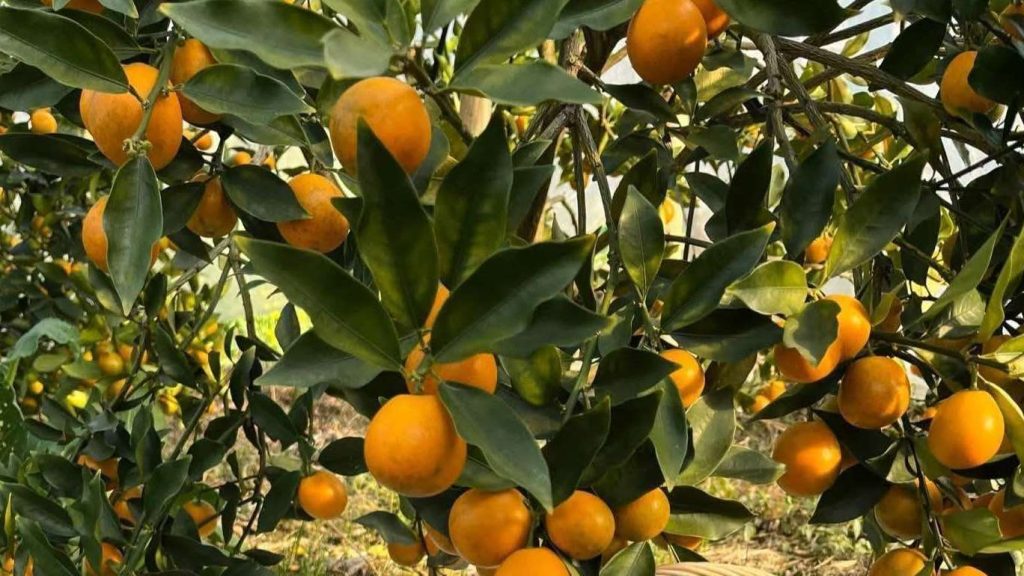
There’s something special about stepping into your own backyard and picking a fresh lemon straight from the tree. Instead of buying lemons every week, growing your own can save money while giving you a steady supply of fresh, fragrant fruit.
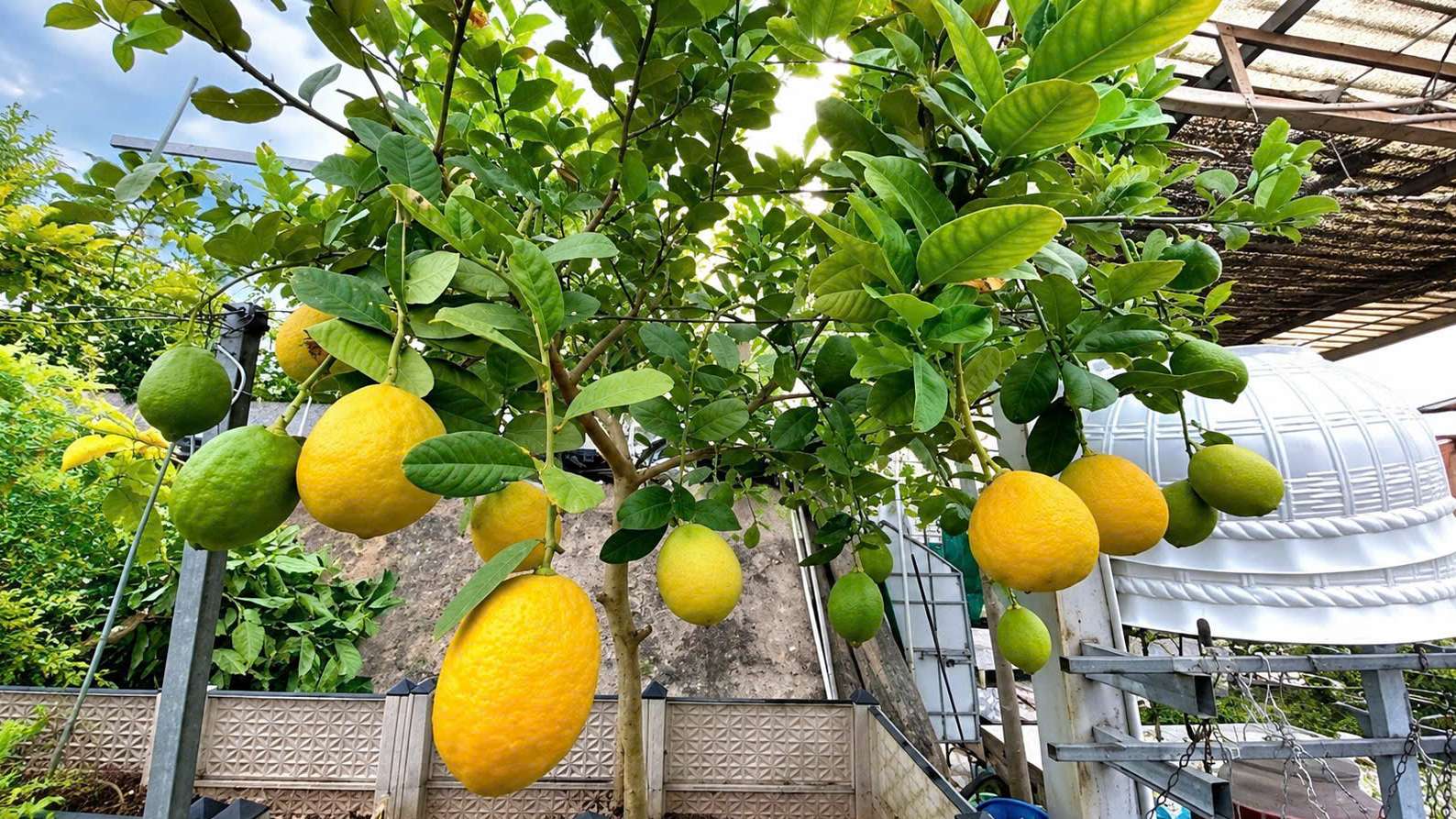
Even a small garden can be enough to grow a healthy tree with the right care. From planting and watering to pruning and harvesting, this guide covers practical tips to help you enjoy a productive harvest right at home.
What Is a Lemon? Characteristics of Lemon Trees
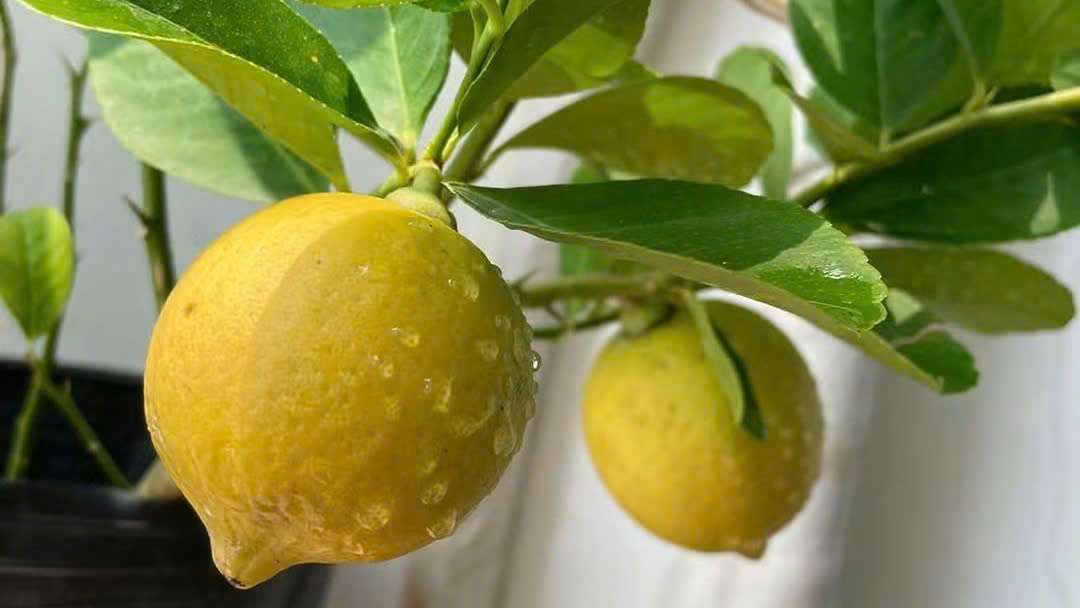
Lemon is the yellow fruit of the lemon tree (Citrus limon), a small evergreen tree in the citrus family. It is widely grown for its juicy, tart fruit, fragrant peel, and versatile culinary uses.
Lemon trees typically have glossy, dark green leaves and small branches that may have thorns, depending on the variety. Their fragrant flowers are usually white with a slight purple tint. The fruits are oval-shaped, often with a pointed tip, and turn from green to bright yellow as they mature. Different varieties, such as Eureka and Lisbon, can vary in fruit size, shape, acidity, and the number of seeds.
Suitable Growing Conditions
- Light: Lemon trees are full-sun plants. They need at least 6–8 hours of sunlight each day for healthy photosynthesis, flowering, and fruit development. Insufficient sunlight can result in weak growth, fewer flowers, and premature fruit drop.
- Temperature: The ideal temperature range is around 68°F to 86°F (20°C to 30°C). Lemon trees are less cold-tolerant than some other citrus varieties and can be sensitive to frost as well as excessive summer heat.
- Humidity and rainfall: Moderate moisture is ideal. Long periods of heavy rain can increase the risk of root and fungal diseases, while dry conditions require consistent supplemental watering.
Preparing to Plant a Lemon Tree
Choosing the Right Plant
Several popular lemon varieties are available, including American lemon varieties, Eureka lemons, and Lisbon lemons.
- Propagation: Grafted plants or healthy cuttings from vigorous mother plants are generally good choices. Grafted lemon trees often establish well and may produce fruit earlier, sometimes within 1–2 years under suitable growing conditions.
- Seedling standards: Choose a plant about 16–24 inches (40–60 cm) tall with a healthy root system, 3–5 strong primary branches, healthy green leaves, and no visible signs of pests or disease.
Preparing the Soil and Planting Hole
Lemon trees grow best in loose, fertile soil with plenty of organic matter, good soil depth, and excellent drainage.
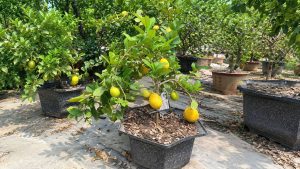
- For container growing: If growing lemons in a pot or large container, use a well-draining mix made from light garden soil, aged manure or worm castings, coconut coir, and rice hulls or another aerating material. A small amount of garden lime can also be added where appropriate. Make sure the container has large drainage holes.
- For in-ground planting: Dig a hole about 20 × 20 × 20 inches (50 × 50 × 50 cm). Mix the topsoil with about 22–33 pounds (10–15 kg) of well-aged manure, approximately 1.1 pounds (0.5 kg) of phosphorus fertilizer, and a small amount of lime. Prepare the amended soil about 15–30 days before planting.
How to Plant a Lemon Tree Properly
The best planting time depends on the local climate. In areas with a distinct rainy season, planting at the beginning of the rainy season can help young trees establish quickly. In cooler regions, early spring is generally a suitable time for planting after the risk of severe frost has passed.
Planting Steps
- Prepare the planting hole
Dig a smaller hole in the center of the prepared planting area, roughly the same size as the tree’s root ball. - Remove the nursery bag
Carefully cut away the plastic nursery bag with a sharp knife. Avoid damaging the fine roots or breaking apart the root ball. - Position the tree
Place the tree upright in the center of the hole. The top of the root ball should be level with or slightly above the surrounding soil to reduce the risk of water collecting around the crown and causing root problems. - Backfill and firm the soil
Fill the hole with soil around the root ball and gently press the soil down to stabilize the tree. - Stake the tree
For a tall young tree, use a small stake to support the trunk and prevent strong winds from loosening the developing root system. - Water thoroughly
Water deeply immediately after planting. Apply a layer of straw, dry grass, or another suitable organic mulch around the base to help retain soil moisture.

Regular Care for Better Lemon Production
Proper Watering
- During the young-tree stage and periods of flowering and fruit development, lemon trees need a consistent supply of water. Water regularly, preferably in the early morning or late afternoon.
- During rainy periods, make sure excess water can drain away quickly. During dry weather, increase watering as needed while avoiding constantly saturated soil.
Weed Control and Soil Cultivation
- Remove weeds around the tree regularly to reduce competition for water and nutrients.
- For in-ground trees, lightly loosen the surface soil around the root zone every 2–3 months to improve aeration and encourage healthy root activity.
Regular Fertilization
Lemon trees are relatively heavy feeders, especially while developing fruit.
- Young trees: During the first year, apply aged organic fertilizer every 1–2 months, supplemented with a small amount of balanced NPK fertilizer to encourage healthy shoots and branches.
- Flowering and fruit development: When the tree begins flowering, provide adequate phosphorus and potassium while avoiding excessive nitrogen. This can support flowering and fruit development and help prevent overly vigorous leafy growth. After each harvest, apply additional organic fertilizer to help the tree recover and prepare for the next growth cycle.
Pruning and Training
Pruning is an important part of lemon tree care.
- Remove weak twigs, diseased branches, and branches that cross or grow toward the center of the canopy. This improves airflow and allows more sunlight to reach the interior of the tree.
- Prune the main growing tip once the tree reaches the desired height to encourage lateral branches and create a rounded or spreading canopy with more productive fruiting areas.
Common Pests and Diseases
Lemon trees can be affected by several common pests and diseases. If problems are not detected early, they can reduce fruit production and affect the appearance of the tree and fruit.
- Citrus leafminer: This pest commonly attacks young flushes, creating winding trails in the leaves and causing distorted growth.
- Management: Remove and dispose of heavily damaged young shoots when practical. Biological or low-impact treatments can also be used when new growth first appears.
- Aphids and spider mites: These pests feed on young leaves and developing fruit, potentially causing distorted growth, rough fruit surfaces, and premature fruit drop.
- Management: Spray the undersides of leaves with a strong stream of water to dislodge pests. Horticultural oils can also be used when appropriate and according to the product label.
- Root rot and gummosis caused by Phytophthora: These problems are more common in poorly drained or waterlogged soil. Symptoms may include brownish sap or gum on the trunk, yellowing leaves, and gradual leaf drop.
- Management: Maintain excellent drainage and avoid prolonged waterlogging. For affected trees, improve drainage and use an appropriate fungicide labeled for citrus and the specific disease.
Practical Experience and Helpful Tips for Growing Lemons
- Encouraging off-season flowering: Some growers use controlled water stress by temporarily reducing irrigation, followed by thorough watering and appropriate fertilization. This technique can sometimes encourage flowering, but it should be used cautiously because excessive drought stress can damage the tree.
- Keeping the lemon peel attractive and fragrant: As the fruit begins changing from green to yellow, provide adequate sunlight and balanced nutrition. Micronutrients such as zinc and copper are important for overall plant health, but they should only be applied when needed and according to soil or plant conditions and product directions.
- Refreshing soil for container-grown lemons: For potted lemon trees, every 2–3 years, consider removing some of the old soil around the edges of the container and replacing it with fresh, well-draining growing medium enriched with organic matter. If root pruning is necessary, do it carefully to avoid excessive root damage.
Final Thoughts
Growing and caring for a lemon tree requires attention to soil quality, watering, fertilization, and pruning. In return, a healthy tree can provide beautiful, fragrant yellow fruit while adding an attractive touch to your garden or living space. With the right growing conditions and consistent care, you can enjoy a productive lemon tree and harvest fresh fruit for your kitchen.
Frequently Asked Questions About Lemon Trees
How much sunlight does a lemon tree need?
A lemon tree needs at least 6–8 hours of direct sunlight each day for healthy growth, flowering, and fruit production.
How often should I water a lemon tree?
Water when the top few inches of soil begin to dry out. Keep the soil evenly moist but avoid waterlogging, which can damage the roots.
How long does it take for a lemon tree to produce fruit?
Grafted lemon trees can sometimes produce fruit within 1–2 years under good growing conditions. Trees grown from seed usually take much longer.
Can lemon trees grow in containers?
Yes. Lemon trees can grow well in large containers when provided with enough sunlight, a well-draining growing medium, regular feeding, and adequate root space.
Why are the leaves on my lemon tree turning yellow?
Yellow leaves can result from overwatering, poor drainage, nutrient deficiencies, insufficient sunlight, or root problems. Check the soil moisture and growing conditions before adjusting fertilizer or watering.