This guide is for anyone who wants to build a trellis for growing grapes or other climbing plants, such as squash, gourds, or climbing vegetables, on a rooftop, terrace, or home garden without spending a lot of money.

When looking at home grape-growing setups, you will often see beautiful and extremely sturdy trellises made from heavy steel frames. They can look impressive and last for many years, but the cost can sometimes be quite high. For someone who simply wants to grow a few grapevines at home, spending hundreds of dollars on a trellis may not always be necessary.
The good news is that a grape trellis does not have to be complicated or expensive. By choosing a simple design and affordable materials, you can build a strong and practical trellis while keeping the cost relatively low.
Choosing the Right Trellis Design
For grapes grown on a rooftop or in a home garden, a flat overhead trellis can be a practical option. This type of trellis is similar to the structures often used for climbing vegetables such as squash and gourds.
The design is relatively simple to build and does not require a large amount of expensive material. As the grapevines grow, the branches can spread across the overhead structure, creating a green canopy that can provide shade for a rooftop or patio.
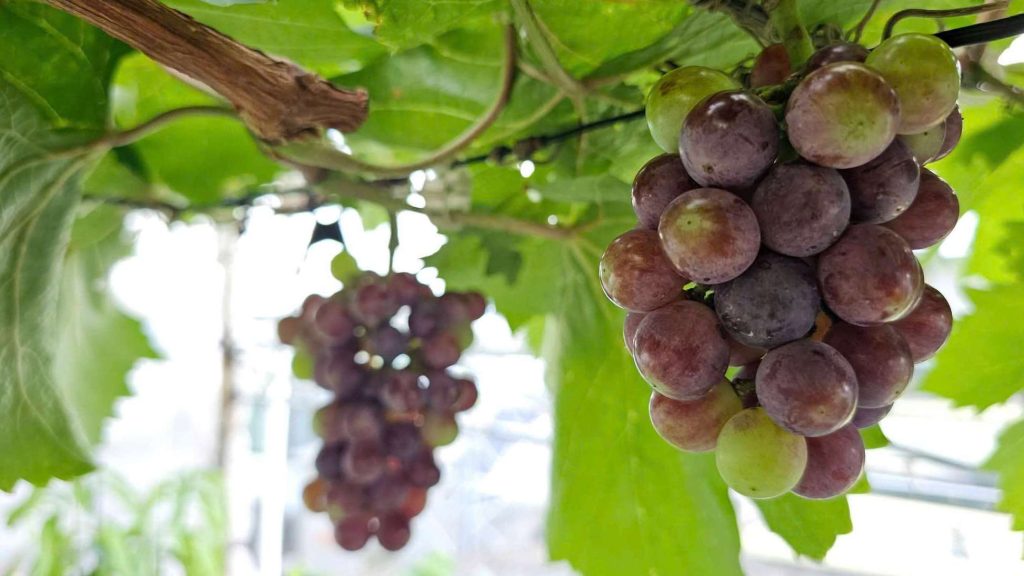
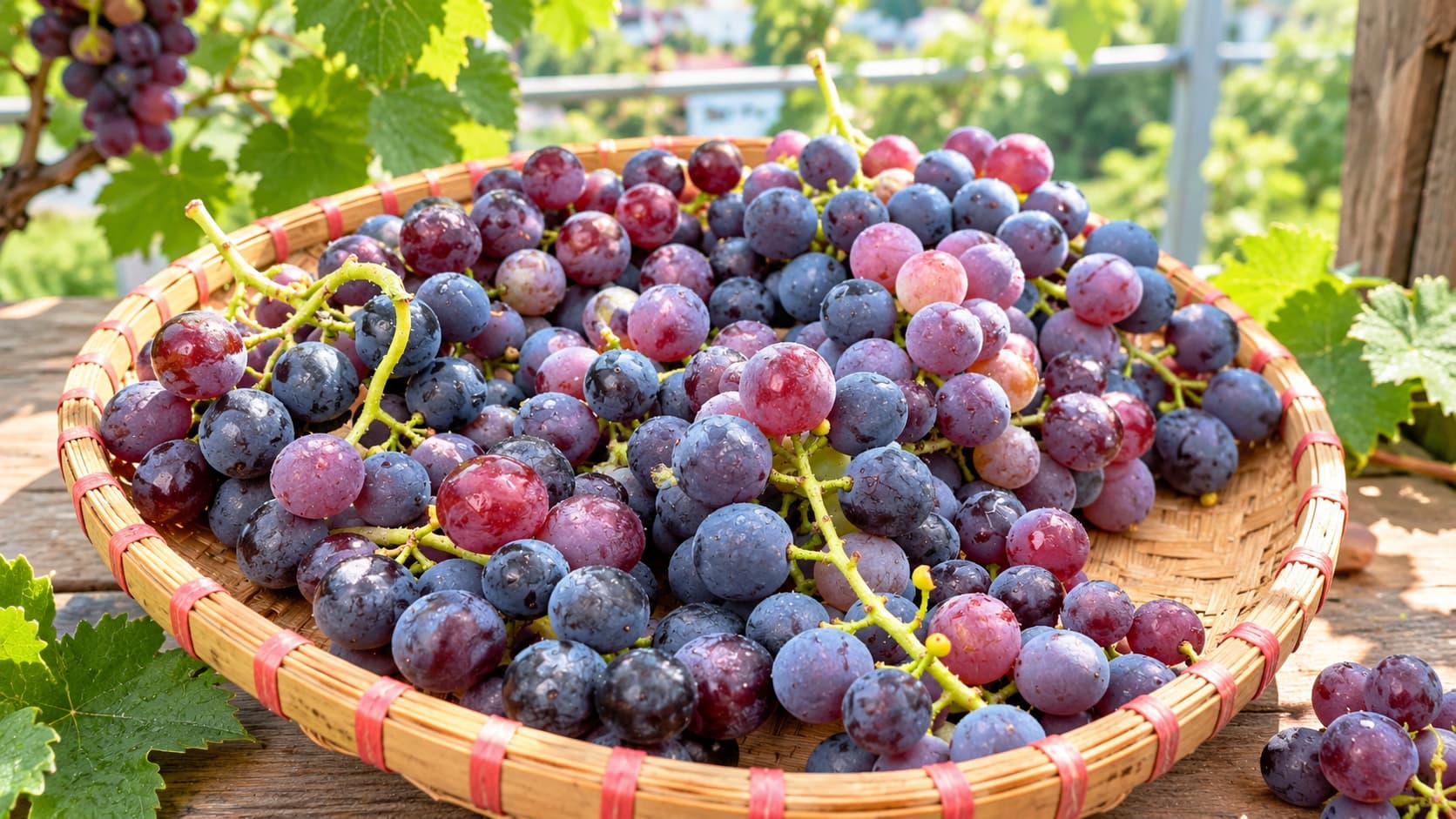
When the vines begin producing fruit, a trellis covered with leaves and hanging clusters of grapes can also become an attractive feature in the garden.
One disadvantage is that pruning, training, and harvesting can become more difficult if the trellis is built too high. For that reason, it is important to choose a height that provides enough space underneath while still allowing you to reach the vines comfortably.
Affordable Materials for a Grape Trellis
You do not necessarily need expensive building materials to create a functional grape trellis. Some affordable options include galvanized wire, stainless or corrosion-resistant wire, and durable nylon or plastic-coated line designed for outdoor use.
Galvanized or Corrosion-Resistant Wire
Strong wire is a good choice for supporting grapevines because mature plants can become surprisingly heavy. Over time, the trellis may need to support thick vines, dense foliage, and large clusters of fruit.
Choose wire that is suitable for outdoor use and resistant to rust and corrosion. This is especially important on rooftops and in areas exposed to frequent rain and humidity.
Durable Nylon or Plastic-Coated Line
Heavy-duty outdoor line can also be an affordable option. A good-quality material can last for several years while costing less than a fully welded steel trellis.
Both wire and durable line allow you to create a trellis with custom spacing. The main disadvantage is that you will need to spend some time weaving and securing the grid yourself.
Ready-Made Climbing Plant Netting
If you want the easiest installation, you can use ready-made climbing plant netting.
This type of netting is inexpensive and can be installed quickly. Once the supporting posts and outer frame are in place, the netting can simply be stretched across the structure and secured.
However, lightweight netting may not last as long as strong wire or heavy-duty line. Because grapevines are perennial plants and can become heavy over time, a stronger material is usually a better long-term choice.
How to Build the Trellis
Start by measuring the area where you want to install the trellis.
Place strong support posts around the outside of the growing area. Depending on the design and available space, posts around 6.5 feet tall can work well for a simple overhead trellis. The height can be adjusted based on your rooftop, patio, or garden layout.
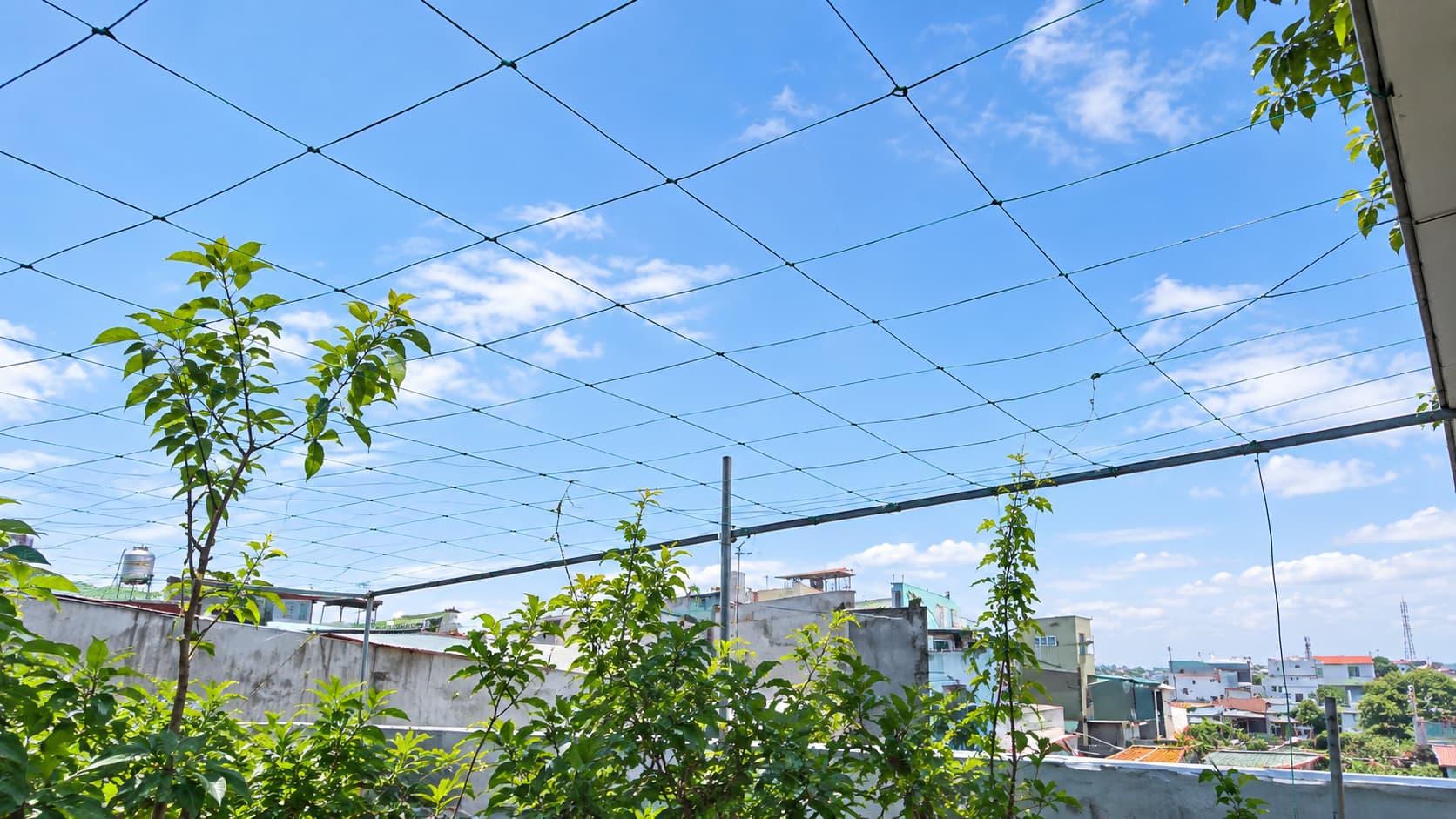
A spacing of approximately 10 feet between support posts can work for a small home trellis, although larger or heavier structures may require additional support.
Once the posts are installed, connect them securely using strong wire or another suitable material. This outer frame is important because it will eventually support the weight of the grapevines, leaves, and fruit.
Next, stretch the wire across the frame in both directions to create a grid. Squares of approximately 16 by 16 inches can provide enough space for grapevine branches to spread while keeping the canopy supported.
Make sure all of the main support lines are properly tensioned and securely attached. A trellis can become significantly heavier after the vines mature.
Once the structure is complete, train the grapevine branches upward and across the trellis. Regular pruning will help prevent the canopy from becoming overly dense and difficult to manage.
Using Ready-Made Climbing Netting
If you do not want to spend time weaving individual wires, ready-made climbing netting can make the job much easier.
After building the main support structure, stretch the netting across the top and secure it firmly at multiple points.
This is one of the fastest and simplest ways to create a climbing structure. However, it is important to consider the long-term weight of the plant. As grapevines grow larger, weak netting may stretch or deteriorate.
For a young grapevine or lightweight climbing plants, ready-made netting can work well. For mature grapevines that will remain in place for many years, stronger wire or heavy-duty outdoor line is usually a better investment.
How Much Does a Low-Cost Grape Trellis Cost?
Depending on the size of the growing area and the materials you choose, a simple grape trellis made with affordable posts and wire or heavy-duty line may cost approximately $20 to $40 USD in materials.
This can be significantly less expensive than building a fully reinforced steel trellis, which may cost several hundred dollars depending on the size and design.
The key is to build a structure that matches the number of grapevines you plan to grow. A small home garden does not always need a large, complicated, or expensive trellis.
For just a few grapevines, a simple but well-supported structure can provide everything the plants need to grow, climb, and produce fruit.
Final Thoughts
Building a low-cost grape trellis does not mean building a weak one. With the right design, properly installed support posts, and durable materials, you can create a practical growing structure without spending a large amount of money.
A simple grape trellis on a rooftop can give your vines the support they need while also creating shade and adding greenery to your home. As the vines mature and begin producing fruit, the trellis can become one of the most enjoyable parts of a rooftop garden.