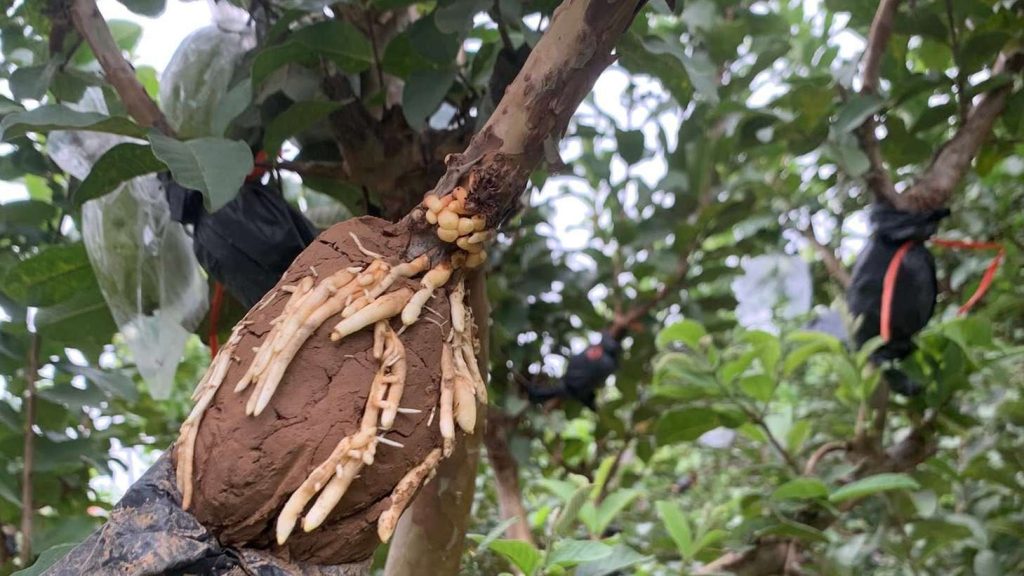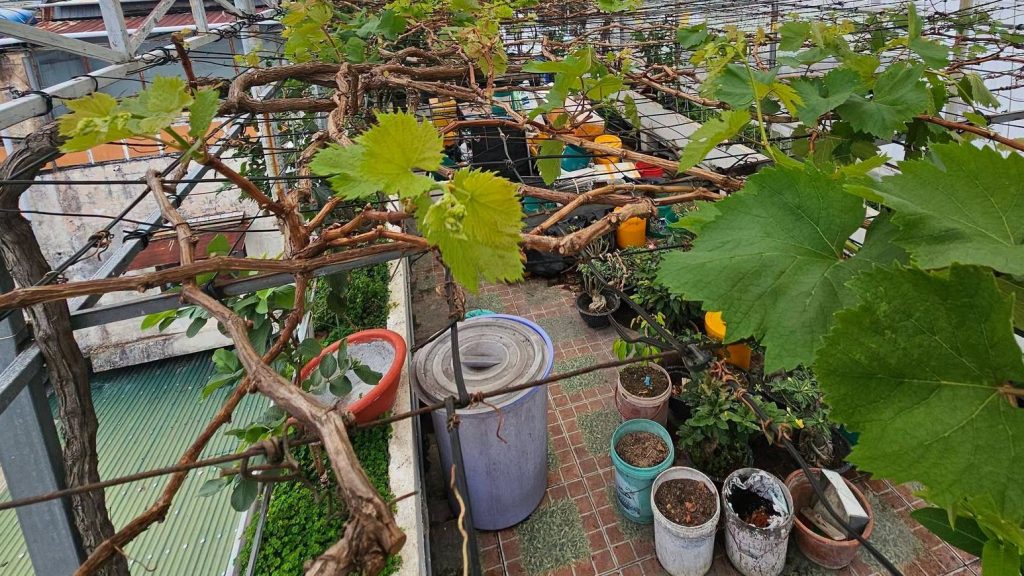
Miyazaki mango is famous for its vibrant red-orange color, rich sweetness, juicy flesh, and beautifully smooth texture. Grown with careful attention to quality, these premium Japanese mangoes have become a symbol of exceptional fruit.
Learn what makes this remarkable fruit so special, how the trees are grown and cared for, when they produce fruit, and what gardeners should know before growing one at home.
What Is a Miyazaki Mango?
Miyazaki mango is a name associated with mangoes grown in Miyazaki Prefecture, Japan. These mangoes are known for their attractive red-orange skin, soft flesh, low fiber content, juiciness, and rich sweetness.
What makes them special is not simply the mango variety itself. Growing conditions, careful management, and strict fruit selection all play an important role in producing high-quality Miyazaki mangoes.
Where Does Miyazaki Mango Come From?
Miyazaki mango comes from Miyazaki Prefecture on the island of Kyushu, Japan. The area has a relatively warm climate and plenty of sunshine, making it suitable for growing mangoes.
Mangoes have been grown in this region for several decades and have gradually become an important and well-known agricultural product of Miyazaki.
Miyazaki Mango Tree Characteristics
Tree Shape
The Miyazaki mango tree is a long-lived woody tree that can develop a broad canopy when allowed to grow naturally. When grown for fruit production, the tree is usually pruned and trained to control its height, improve sunlight exposure, and make routine care easier.
Leaves and Branches
Mango leaves are long, narrow, and dark green when mature. Young branches are generally softer than older branches, so early pruning and training can help create a strong and well-balanced framework.
Growth and Fruit Development
The tree grows best when it receives plenty of sunlight, warm temperatures, and well-drained soil. Once the tree begins flowering, stable growing conditions are important for reducing flower drop and supporting even fruit development.
One important part of growing high-quality mangoes is avoiding an excessive fruit load. Removing some young fruit allows the tree to direct more energy and nutrients toward the remaining mangoes.
What Does Miyazaki Mango Taste Like?
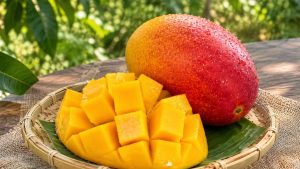
A ripe Miyazaki mango has a richly sweet, fragrant, juicy flavor with soft and smooth flesh. Fully mature fruit usually develops a noticeable aroma and has relatively little fiber, making it pleasant to eat.
This is one reason Miyazaki mangoes are often enjoyed fresh rather than being used mainly for juice or desserts.
What Climate Is Best for Growing Miyazaki Mango?
Mango trees are tropical plants and need warm conditions for healthy growth. When growing Miyazaki mango, choose a location with:
- Plenty of direct sunlight
- Warm and relatively stable temperatures
- Fast-draining soil
- Moderate moisture
- Little risk of prolonged cold
- No standing water after heavy rain
In areas with cold winters, growing the tree in a greenhouse or in a container that can be moved to a protected location may be a more practical option.
How to Grow a Miyazaki Mango Tree
If you are starting with a young tree, choose a healthy grafted plant with a strong stem and no obvious signs of pests or disease.
1. Choose the Right Location
Choose a location that receives direct sunlight for most of the day. Avoid planting the tree where it will be heavily shaded by large trees, buildings, or other structures.
2. Prepare the Soil
The soil should contain organic matter, but good drainage is especially important. If your soil is heavy and holds water for a long time, improve the planting area with organic material before planting.
3. Plant the Tree
Place the tree in the planting hole without burying the base of the trunk too deeply. After planting, water thoroughly enough to settle the soil around the roots.
4. Maintain Soil Moisture
You can add a layer of organic mulch around the tree to help retain moisture and reduce weeds. However, keep the mulch away from the trunk because excessive moisture around the base can create problems.
5. Train and Prune the Tree
As the tree begins growing strongly, prune the main shoots and select healthy branches to create a balanced canopy. This helps keep the tree manageable and allows better light penetration throughout the canopy.
How to Care for a Miyazaki Mango Tree
Caring for a Miyazaki mango tree is not very different from caring for many other mango trees, but producing attractive, high-quality fruit requires consistent growing conditions.
Watering: Water when the upper layer of soil begins to dry, but avoid keeping the roots constantly wet.
Fertilizing: Provide balanced nutrients according to the tree’s growth stage. The tree may need more nutrients while developing leaves and branches, while excessive nitrogen should be avoided as flowering approaches.
Pruning: Remove weak, dead, or damaged branches, as well as branches growing toward the center of the canopy. This improves airflow and light penetration.
Sunlight: Make sure the tree receives plenty of direct sunlight because light plays an important role in healthy growth and fruit quality.
Tips to Encourage Flowering and Fruit Set
If you want your mango tree to produce plenty of flowers and hold young fruit, the tree needs to be healthy before entering the flowering season.
A few simple practices can help:
- Give the tree plenty of sunlight.
- Avoid excessive nitrogen fertilizer before flowering.
- Prune the canopy to improve airflow.
- Keep soil moisture relatively stable.
- Provide balanced nutrition.
- Watch for pests and diseases early.
- Thin excessive fruit when the tree sets too much fruit.
More fruit is not always better. With mango trees, keeping the fruit load at a reasonable level can help the remaining fruit develop better.
Common Pests, Diseases, and Problems
Mango trees can be affected by several common pests and diseases.
Aphids and other sap-sucking insects: These pests often gather on young shoots, tender leaves, and actively growing parts of the tree.
Fruit flies: These insects can damage developing fruit and reduce its quality.
Anthracnose: This fungal disease can cause dark spots and lesions on leaves, flowers, and fruit, especially during humid weather.
Powdery mildew: This disease may appear on flowers and young shoots when environmental conditions are favorable.
Root rot: This problem is often associated with poorly drained soil or excessive watering.
Prevention: Keep the canopy well ventilated, avoid overwatering, remove fallen leaves and fruit, and check the tree regularly for early signs of pests and disease.
How Long Does It Take for a Miyazaki Mango Tree to Produce Fruit?
The time required to produce fruit depends on the type of tree, climate, and growing conditions.
If you plant a healthy grafted mango tree, it can often begin producing its first fruit in about 3–4 years after planting. However, the first few crops are usually smaller than those from a mature tree.
If you grow the tree from seed, it may take around 5–8 years or longer before it begins producing fruit. Seed-grown trees may also fail to retain all the characteristics of the parent tree.
For gardeners who want to reduce the waiting time, a healthy grafted tree is usually the more practical choice.
When and How to Harvest Miyazaki Mangoes
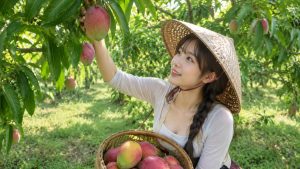
You should not rely on skin color alone when deciding whether a mango is ready to harvest. Look at the fruit’s size, color development, aroma, and overall maturity.
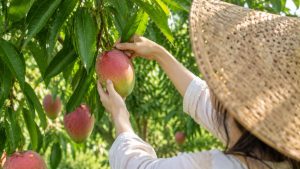
When harvesting, use clean pruning shears or scissors to cut the stem rather than pulling the fruit from the branch. Then place the mangoes gently in a tray or on a soft surface to avoid damaging the skin.
The ideal harvest stage also depends on whether you plan to eat the mango immediately or allow it to continue ripening after harvest.
Miyazaki Mango vs. Regular Mangoes
| Feature | Miyazaki Mango | Regular Mangoes |
|---|---|---|
| Flavor | Richly sweet and fragrant | Varies by variety; can be sweet or tart |
| Flesh | Soft, smooth, and relatively low in fiber | Varies by variety |
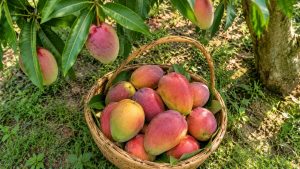
| Color | Often a striking red-orange | Green, yellow, orange, or red depending on variety |
| Size | Relatively uniform among premium selected fruit | Highly variable |
| Appearance | Attractive and carefully selected | Not necessarily uniform |
| Value | Can be very high | Generally more common and accessible |
What Makes Miyazaki Mangoes Famous and Valuable?
The value of Miyazaki mangoes does not simply come from the fact that they are grown in Japan.
An important part of their reputation comes from production practices and careful fruit selection. Growers carefully manage the trees from flowering and fruit set through fruit development and ripening. Only fruit that meets specific expectations for size, color, sweetness, and overall quality is selected for premium markets.
Appearance also contributes to their value. The attractive red-orange skin, well-developed shape, and consistent flesh quality make premium Miyazaki mangoes highly desirable.
The Miyazaki name itself has also become well known in Japan and internationally. The combination of fruit quality, careful cultivation, strict selection, limited supply, and regional branding helps explain why premium Miyazaki mangoes can be much more expensive than ordinary mangoes.
Conclusion
Miyazaki mangoes are special not only because of their rich sweetness and beautiful color but also because of the care that goes into producing high-quality fruit. If you have a warm climate, plenty of sunlight, well-drained soil, and the right growing conditions, a mango tree can grow well and begin producing fruit after several years.
What I find most interesting about Miyazaki mango is that each premium fruit represents more than just the genetics of the tree. It also reflects the time, care, growing techniques, and careful selection that go into producing it.
Frequently Asked Questions
Is Miyazaki Mango a Separate Mango Variety?
The name Miyazaki is primarily associated with mangoes produced in Miyazaki Prefecture under local quality standards rather than simply referring to one single mango variety.
Can You Grow Miyazaki Mangoes in the United States?
Yes, mango trees can be grown in areas of the United States with a warm climate suitable for mango production. In colder regions, growing the tree in a container or greenhouse may provide better protection from low temperatures.
Are Miyazaki Mango Trees Easy to Grow?
They are not especially difficult to grow when the climate and growing conditions are suitable. However, producing attractive, high-quality fruit requires careful attention to sunlight, watering, nutrition, pruning, and fruit thinning.
How Much Sun Does a Miyazaki Mango Tree Need?
Mango trees prefer plenty of sunlight and should be planted in a location that receives several hours of direct sun each day.
How Long Does a Miyazaki Mango Tree Take to Produce Fruit?
A grafted tree can often begin producing fruit after about 3–4 years, while a seed-grown tree may take around 5–8 years or longer.
Why Are Miyazaki Mangoes So Expensive?
Their high value comes from fruit quality, attractive appearance, strict selection standards, careful growing practices, and the strong Miyazaki regional brand.