A steaming pot of hot pot feels even more satisfying when it comes with a plate of fresh, crisp greens picked straight from the garden. But if you have to start from seeds again every time you finish a harvest, growing your own greens can quickly become a lot of work.
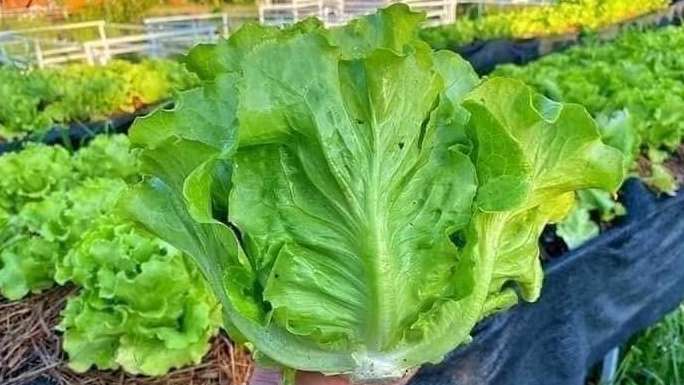
A much easier approach is to choose plants that are easy to grow, easy to care for, and able to regrow after cutting. Instead of harvesting the entire plant at once, you can simply pick or cut what you need while leaving the roots, stems, or growing center intact.
Here are five easy plants worth growing if you want a small garden that provides fresh greens again and again, especially when you’re making hot pot at home.
1. Green Onions
Green onions are one of the easiest plants to grow at home. If you start with the root ends, especially those with healthy roots attached, you can quickly grow fresh green leaves without having to start from seed every time.
- First harvest: About 20–30 days when grown from root ends, or longer when started from seed.
- How to keep harvesting: When the leaves reach about 8–12 inches tall, use clean scissors to cut the green tops while leaving about 1–2 inches of the base in the soil. Keep the soil lightly moist and give the plants plenty of light. New green leaves will continue to grow from the remaining base.
- Best for: Thai hot pot, Korean-style hot pot, mushroom hot pot, beef hot pot, and many other brothy dishes.
One of the best things about green onions is that you don’t need to wait for a specific harvest day. Whenever you need a little for dinner, simply step outside and cut a few leaves while leaving the rest of the plant growing.
2. Leaf Lettuce
If you enjoy tender, fresh greens, leaf lettuce is another excellent choice. Unlike head lettuce, which forms a tight central head, leaf lettuce allows you to harvest individual leaves as they grow.
- First harvest: About 30–45 days after sowing, depending on the variety and growing conditions.
- How to keep harvesting: Don’t pull up the whole plant. Instead, pick the larger outer leaves while leaving the center of the plant intact. This allows the lettuce to continue producing new leaves for several more weeks.
- Best for: Beef hot pot, Thai hot pot, seafood hot pot, chicken hot pot, and lighter broths.
Try not to harvest too heavily at one time. Leaving enough healthy leaves on the plant allows it to continue photosynthesizing and producing new growth.
3. Shiso
Shiso is not only a flavorful herb but also a useful plant for gardeners who like the idea of cutting and harvesting repeatedly. It is also one of the easy hot pot greens to grow when you want fresh leaves available for multiple meals. When trimmed correctly, the plant can produce more side branches instead of putting all its energy into one main stem.
- First harvest: About 30–45 days after the plant becomes established.
- How to keep harvesting: Once the plant reaches about 8–12 inches tall, pinch or cut the young growing tip just above a healthy pair of leaves. This encourages the plant to produce more side branches. Harvest individual leaves and tender tips instead of cutting the whole plant back at once.
- Best for: Thai hot pot, seafood hot pot, mushroom hot pot, and other dishes where you want a fresh, aromatic herb.
Regularly pinching the growing tips can help create a bushier plant with more branches and leaves, giving you plenty to pick whenever you’re preparing a meal.
4. Chives
Chives are hardy perennial herbs and a great choice if you want to plant once and harvest repeatedly. After the leaves are cut, the plant can send up fresh new growth from the base.
- First harvest: Around 60 days from seed. Plants started from established divisions or young plants may be ready sooner.
- How to keep harvesting: When the leaves reach about 6–8 inches tall, use scissors to cut them about 1–2 inches above the soil. Don’t pull up the whole clump. The remaining base will continue producing fresh leaves.
- Best for: Seafood hot pot, mushroom hot pot, beef hot pot, and broths that benefit from a mild onion flavor.
You can also divide a mature clump into several smaller sections and grow them in different spots. That way, you can harvest from one section while allowing the others to keep growing.
5. Mint
Mint is a vigorous plant and works particularly well when you trim the growing tips to encourage new shoots. Once established, a single plant can produce plenty of stems and fresh leaves.
- First harvest: About 30–45 days after the plant has rooted and started growing actively.
- How to keep harvesting: When the stems reach about 8–12 inches tall, cut the growing tips just above a leaf node. The nodes below the cut can produce new shoots. Instead of cutting the entire plant at once, harvest a few stems at a time.
- Best for: Thai hot pot, seafood hot pot, spicy-sour broths, and dishes that benefit from a fresh herbal flavor.
Mint can spread quickly, so if you have a small garden, consider growing it in a container. This makes it much easier to control where the plant grows.
Comparison of 5 Easy Hot Pot Greens for Repeated Harvests
| Plant | First Harvest | Regrowth Potential | Best Harvesting Method |
|---|---|---|---|
| Green Onions | 20–30 days* | ⭐⭐⭐⭐⭐ | Cut leaves and leave the base |
| Leaf Lettuce | 30–45 days | ⭐⭐⭐⭐ | Pick outer leaves and leave the center |
| Shiso | 30–45 days | ⭐⭐⭐⭐⭐ | Cut growing tips above leaf nodes |
| Chives | About 60 days* | ⭐⭐⭐⭐⭐ | Cut leaves 1–2 inches above the soil |
| Mint | 30–45 days | ⭐⭐⭐⭐⭐ | Cut growing tips above leaf nodes |
* Actual timing can vary depending on the variety, weather, and growing conditions.
If your main goal is to grow once and harvest repeatedly, green onions, chives, shiso, and mint are especially useful choices. For lettuce, look for leaf lettuce varieties and harvest individual leaves rather than pulling up the entire plant.
Natural Ways to Help Your Greens Regrow Strong After Each Harvest
After harvesting, plants need some time to recover and produce new growth. You don’t need to heavily fertilize them. In most cases, providing the right balance of light, water, and nutrients is enough to encourage healthy regrowth.
Cut in the Right Place
This is one of the most important things to get right. Don’t cut the entire plant down to the ground or remove every healthy leaf at once.
For plants that regrow from stems or growing points, leave several healthy leaf nodes or growing points intact. Use clean, sharp scissors or pruning shears so the cuts are clean and don’t unnecessarily crush the stems.
Water Consistently After Harvesting
Plants need water to recover after being cut. Keep the soil evenly moist, but avoid leaving the roots sitting in soggy soil.
Morning is generally a good time to water. During hot weather, check the soil more often rather than relying on a strict watering schedule.
Add Gentle Nutrition
After several harvests, the soil may gradually lose nutrients. You can add a small amount of finished compost or well-aged organic fertilizer around the plants.
There’s no need to overdo it. Moderate feeding can help plants recover without encouraging weak, overly soft growth.
Give Plants Enough Light
Most leafy greens and herbs need good light to stay healthy and produce new growth. Place your plants where they can receive the amount of sunlight appropriate for their variety.
Plants that don’t receive enough light may become leggy, produce fewer leaves, and regrow more slowly.
Harvest in Rotation
If you want a steady supply of fresh greens, avoid cutting everything at once. Instead, harvest individual leaves, stems, or branches, leaving enough healthy foliage behind for the plant to keep growing.
As one section recovers, you can harvest another. This simple rotation can give you a more consistent supply of fresh greens.
Keep the Soil Loose and Well Drained
Healthy roots are essential for strong regrowth. Use soil that is loose, rich in organic matter, and well drained.
If you’re growing in containers, make sure the pot has drainage holes so excess water can escape after watering.
A simple routine to remember is:
Cut moderately → water consistently → add gentle nutrition → provide enough light → let new shoots develop → harvest again.
With the right care, these cut-and-come-again plants can stay productive and provide fresh greens for many harvests.
Conclusion
Hopefully, these ideas help you choose a few easy-to-grow plants that can be harvested again and again for your home garden.
You don’t need a large garden to enjoy fresh greens. Even a small growing space can provide something to pick when you’re preparing a hot pot dinner with your family.
There is something special about bringing a plate of greens from your own garden straight to the table. They’re fresh, homegrown, and you know exactly where they came from.
We hope this guide helps you grow a greener garden and enjoy plenty of fresh, delicious meals with the people you love.