Baby cucumbers are popular because of their small size, crisp texture, and refreshing flavor. They can be enjoyed fresh, added to salads, used in sandwiches, or served as a healthy snack.

Growing baby cucumbers is relatively simple, whether you have a large garden, a small backyard, or a container garden. However, getting healthy plants that produce plenty of straight, high-quality cucumbers requires the right growing conditions and regular care.
From choosing the right location and preparing the soil to watering, feeding, and harvesting, every step can affect the final yield. Here is a complete guide to growing baby cucumbers successfully and getting a bigger harvest.
What Growing Conditions Do Baby Cucumbers Need?
Baby cucumbers are warm-season plants that grow best in bright, sunny conditions. They generally perform well when temperatures are around 77–86°F (25–30°C).
Like other cucumber varieties, baby cucumbers have a high water content and need consistent moisture throughout the growing season. The soil should stay evenly moist, especially when the plants are flowering and producing fruit.
However, consistently wet soil can cause problems because cucumber roots do not tolerate poor drainage well. The goal is to provide regular moisture without allowing water to collect around the roots.
When cucumber plants experience water stress, the fruit may develop poorly or become bitter. Providing consistent water is one of the most important steps for producing crisp, good-quality cucumbers.
Baby cucumbers also need good airflow and plenty of sunlight. Plants growing too close together may shade one another and create humid conditions that increase the risk of disease.

When to Plant Baby Cucumbers
Baby cucumbers are warm-season plants and can be grown during much of the year in warm climates.
The best planting time depends on your local climate and growing conditions. In general, cucumbers should be planted when temperatures are consistently warm and there is no risk of frost.
In warmer regions, gardeners can often grow cucumbers during multiple seasons. In colder areas, planting usually begins in spring after the danger of frost has passed.
Cucumbers can also be grown in a greenhouse or protected growing area, which may allow for a longer growing season.
Before planting, make sure the soil has warmed up sufficiently. Cucumber seeds generally germinate and grow more successfully in warm soil.
What Type of Soil Is Best for Baby Cucumbers?
Baby cucumbers can grow in different types of soil, but they perform best in loose, fertile soil with good drainage.
Loamy soil or sandy loam is often a good choice because it allows the roots to spread easily while still holding enough moisture.
A soil pH of approximately 6.0–6.8 is generally suitable for cucumber plants.
Before planting, improve the soil with well-rotted compost or other suitable organic matter. Organic material can improve soil structure, help retain moisture, and provide nutrients as the plants grow.
If you are growing baby cucumbers in containers, use a loose, well-draining growing mix. The soil should hold enough moisture without becoming compacted or waterlogged.
Good drainage is especially important because cucumber plants can struggle when their roots remain in overly wet soil for long periods.
How to Prepare the Soil Before Planting
Preparing the soil properly can give young cucumber plants a strong start.
Begin by loosening the soil and removing weeds, old plant material, and other debris. If cucumbers or other plants previously experienced serious disease problems in the same area, it is especially important to remove infected plant material.
When growing cucumbers in the ground, raised beds can be helpful because they improve drainage and prevent water from collecting around the roots.
Adding mulch after planting can also provide several benefits. Organic mulch such as straw or dry plant material can help retain soil moisture and reduce weed growth.
Mulch may also reduce soil splashing onto the leaves during heavy rain.
Nutrients should be added during soil preparation rather than waiting until plants begin showing signs of poor growth.
However, avoid adding excessive amounts of nitrogen early in the season. Too much nitrogen can encourage the plants to produce large amounts of leafy growth while reducing flower and fruit production.
How to Build a Trellis for Baby Cucumbers
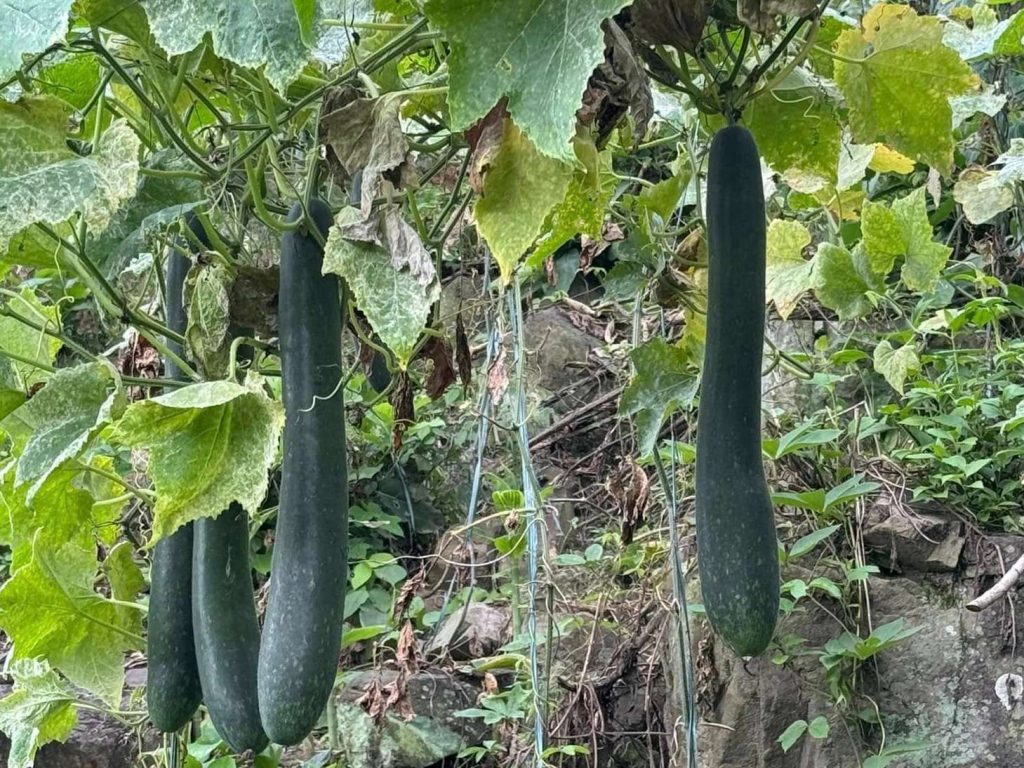
Baby cucumbers are climbing plants, so providing a trellis can make a significant difference in plant health and productivity.
Growing the plants vertically keeps the vines and fruit off the ground. This can improve airflow, make harvesting easier, and reduce the chance of fruit sitting directly on wet soil.
A cucumber trellis can be made from bamboo, wood, garden netting, or other strong materials.
For a small garden, an A-frame trellis or vertical garden netting can work well. Larger gardens may use rows of posts and support strings.
The trellis should be strong enough to support the weight of the vines and developing cucumbers.
Growing baby cucumbers on a trellis offers several advantages:
- Better sunlight exposure.
- Improved airflow around the plants.
- Easier monitoring for pests and diseases.
- Less contact between the fruit and the soil.
- More convenient harvesting.
Preparing and Planting Baby Cucumber Seeds
Starting with high-quality seeds is important for good germination and healthy plant growth.
Baby cucumber seeds can be planted directly in the garden or started as seedlings before transplanting.
If you prefer to soak the seeds before planting, place them in warm water for a short period before sowing. Once the seeds begin to germinate, they can be planted in prepared soil.
When planting directly in the garden, avoid placing the seeds too deeply. Seeds planted excessively deep may have difficulty emerging through the soil.
After planting, keep the soil consistently moist while the seeds germinate.
Proper spacing is also important because overcrowded plants can compete for light and nutrients.
In general, rows can be spaced approximately 4–5 feet (1.2–1.5 meters) apart, while plants may be spaced about 12–18 inches (30–45 cm) apart.
However, spacing can vary depending on the variety, trellis system, and growing method.
How to Care for Baby Cucumber Plants
Once the plants begin growing, check them regularly and guide the vines toward the trellis as needed.
During the early stages, cucumber plants focus on developing their roots and main stems. As the vines grow longer, gently guide them onto the trellis to keep the plants organized and off the ground.
Regular observation can help you notice potential problems early, including yellow leaves, insect damage, poor growth, or signs of disease.
Pruning Baby Cucumber Plants
Pruning can help improve airflow and prevent cucumber plants from becoming overly crowded.
Weak shoots, damaged leaves, and diseased plant material should be removed when necessary.
For vertically grown plants, some gardeners also control side shoots to keep the vines manageable and improve airflow.
Avoid removing too much growth at once because excessive pruning can stress the plant.
The main goal is to maintain a healthy, open plant structure that allows sunlight and air to reach different parts of the vine.
If the plant is carrying too many poorly developed or damaged cucumbers, removing those fruits can help the plant direct more energy toward healthier growth.
How Often Should You Water Baby Cucumbers?
Baby cucumbers need consistent moisture, especially during flowering and fruit development.
However, watering too frequently can be just as problematic as allowing the plants to dry out.
The best approach is to keep the soil evenly moist and adjust watering according to the weather.
During hot, dry periods, plants may need more frequent watering. During rainy periods, reduce additional watering and make sure excess water can drain away.
Watering near the base of the plant is generally better than regularly soaking the leaves.
If possible, drip irrigation can be an efficient way to provide consistent moisture directly to the root zone.
Regular watering is especially important when cucumbers are developing because large changes in soil moisture can affect fruit quality.
Fertilizing Baby Cucumbers
Baby cucumber plants grow quickly and need nutrients throughout the growing season.
During the early stages, nutrients support root, stem, and leaf development. Once flowering and fruit production begin, the plant’s nutritional needs may change.
Adding well-rotted compost before planting is a good way to improve soil fertility.
Additional fertilizer can then be applied carefully as the plants grow.
Instead of applying a large amount of fertilizer at once, dividing applications into smaller feedings can help provide nutrients more consistently.
Avoid placing concentrated fertilizer directly against the plant stem or roots, as this may damage the plant.
After fertilizing, provide sufficient water so nutrients can move into the root zone.
Common Pests and Diseases on Baby Cucumbers
Baby cucumber plants can experience pest and disease problems, particularly during warm and humid weather.
Some common problems include:
- Thrips.
- Aphids.
- Leaf miners.
- Leaf-eating insects.
- Powdery mildew.
- Downy mildew.
- Fruit rot.
One of the best ways to protect cucumber plants is to inspect them regularly.
Check the undersides of leaves, new growth, and developing fruit for early signs of insects or disease.
Keep the growing area clean and remove damaged or diseased leaves when necessary.
Good spacing and airflow can also help reduce problems associated with excessive humidity.
Choosing healthy seeds or seedlings and practicing crop rotation may help reduce the risk of certain recurring soil and plant diseases.
When pest or disease control is necessary, choose an approach that is appropriate for your growing conditions and how the cucumbers will be used.
When to Harvest Baby Cucumbers
Baby cucumbers should be harvested when they reach the appropriate size for the variety.
Avoid leaving mature cucumbers on the vine for too long. Overripe fruit can become less tender and may cause the plant to direct more energy toward seed production.
Harvesting regularly can encourage the plant to continue producing new fruit.
When picking cucumbers, handle the vines carefully to avoid damaging the stems and developing fruit.
Using clean garden scissors or pruners to cut the stem is often easier than pulling the cucumber directly from the vine.
After harvesting, store the cucumbers in a cool place and use them while they are still fresh and crisp.
Final Thoughts
Growing baby cucumbers is not particularly difficult, but a productive crop depends on providing the right conditions from the beginning.
A sunny location, loose and fertile soil, good drainage, and a strong trellis can give the plants an excellent foundation.
Consistent watering, balanced feeding, and regular pest monitoring will help keep the plants healthy throughout the growing season.
With proper care, baby cucumber plants can produce a steady harvest and become a rewarding crop for home gardens, containers, and larger growing spaces.