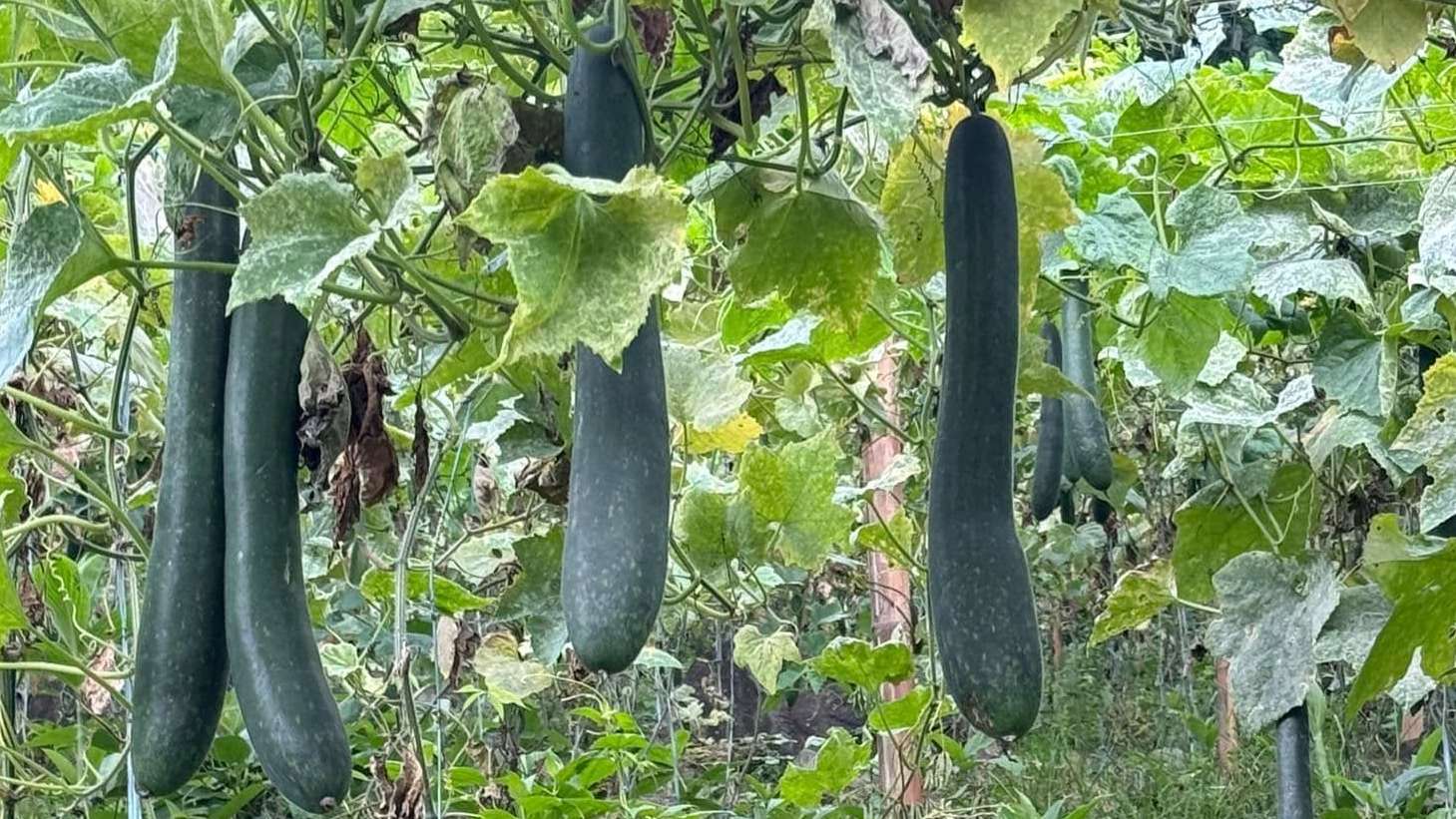
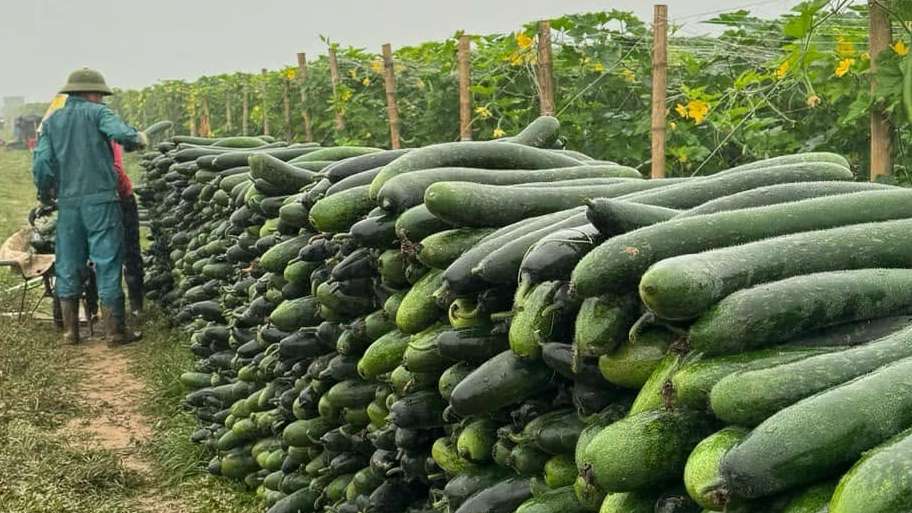
Winter melon, also known as wax gourd or ash gourd, is a warm-season vegetable in the squash family. The plants grow vigorously, produce large fruits, and can be stored for a relatively long time under suitable conditions. With proper planting, care, and pest prevention, winter melon can produce a good yield and provide a steady harvest.
Growing Season
Winter melon is a heat-loving crop that grows best in warm weather with no risk of frost. Planting time should be based on the local climate and the length of the growing season.
In most parts of the United States and Europe, seeds can be started in late spring or early summer, after the last frost has passed and the soil has warmed. Areas with warmer climates may be able to plant earlier.
In regions with short summers, seeds can be started indoors several weeks before outdoor planting. Once the weather is consistently warm, seedlings can be transplanted outdoors. In areas with a long, warm fall, winter melon can also be planted in late summer as long as the plants have enough time to grow and produce fruit before temperatures drop.
Seed Soaking and Germination
Before planting, soak winter melon seeds in clean water for about 4–6 hours. Rinse the seeds afterward and let them drain.
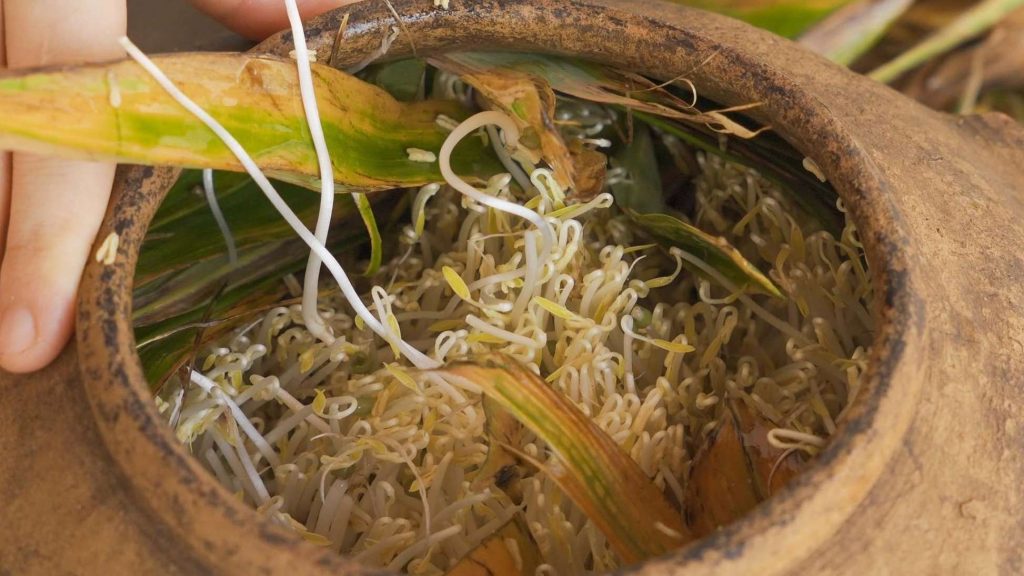
One method is to mix the seeds with clean sand at a ratio of about 1 part seeds to 3–4 parts sand. Place the mixture in a damp cloth and keep it in a warm location. Check the moisture level about twice a day, making sure the cloth does not become too dry or overly wet.
After about 1–2 days, the seeds will usually begin to crack open and can be planted.
Another option is to soak the seeds in warm water for about 2–3 hours. Rinse away the slippery coating on the outside of the seeds, then place them in a damp cloth to germinate. Once the first small root appears, plant the seeds promptly to avoid damaging the tender sprout.
Preparing Seedlings
The growing medium should be loose, clean, and well-draining. Soil can be mixed with well-aged compost or other mature organic matter to create a suitable environment for young roots.
Use seed trays, nursery bags, or other containers with drainage holes. After sowing, cover the seeds with a thin layer of soil and water gently to maintain even moisture.
Avoid using fresh manure because it can generate excess heat and damage young roots. Once the seedlings are growing well and have developed true leaves, gradually expose them to outdoor light and conditions before transplanting.
Preparing the Soil
Winter melon grows well in loose, fertile, well-draining soil, especially sandy loam or light loam.
Before planting, remove weeds and old plant debris and incorporate well-aged organic matter into the soil. Choose a location with a reliable water supply but avoid areas that remain waterlogged for long periods.
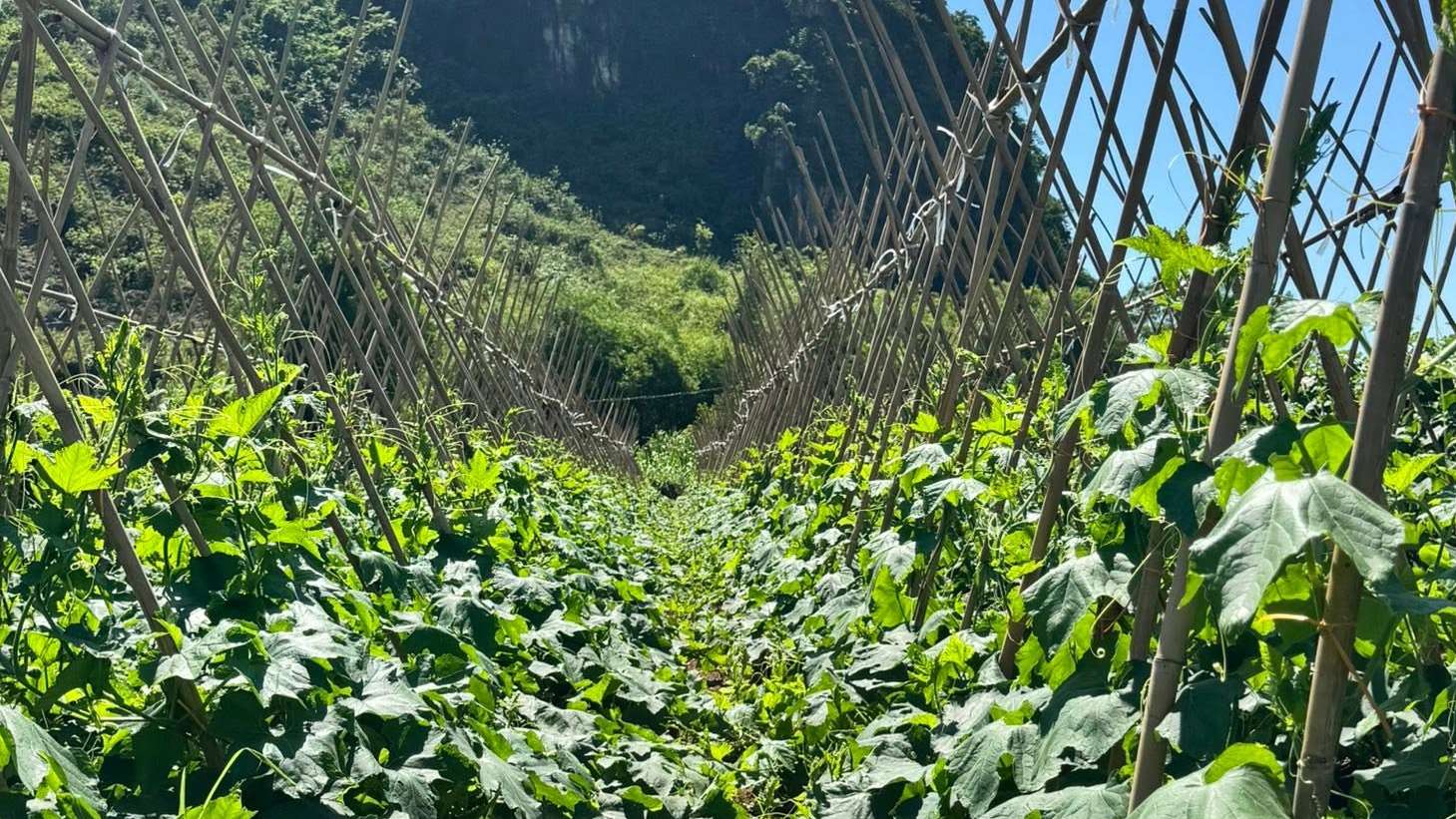
Winter melon can be grown on its own or alongside other crops. Bed spacing should be adjusted depending on whether the vines will be trained onto a trellis or allowed to spread along the ground.
Plant Spacing
For trellised winter melon, plants can be arranged in either single or double rows.
Single rows:
- Space rows about 8–8.2 feet apart.
- Space plants about 20–24 inches apart.
Double rows:
- Space each double-row bed about 15.7–16.4 feet apart.
- Space plants about 20–24 inches apart.
Depending on the variety and growing conditions, plant density may be adjusted to provide enough room for healthy vine and fruit development. When growing winter melon on the ground, allow additional space for the vines and fruit to spread without becoming overcrowded.
Fertilizing
Winter melon is a vigorous crop and needs a steady supply of nutrients throughout the growing season. Before planting, incorporate well-aged compost or other organic matter into the soil to improve soil structure and provide baseline nutrition.
Fertilizer amounts should be adjusted according to soil fertility and, ideally, the results of a soil test. A balanced fertilizer can be used according to the plant’s growth stage and the product label.
Avoid excessive nitrogen, which can encourage too much vine and leaf growth without supporting balanced flowering and fruit development. Once the plants begin flowering and producing fruit, make sure they receive adequate potassium and other essential nutrients.
Plant Care
When seedlings have about 2–3 true leaves, lightly loosen the soil around the plants and mound a small amount of soil around the base to help support them. As the vines begin to grow, continue adjusting watering and nutrition according to the plants’ condition.
When a vine reaches about 20 inches long, lightly cover some of the nodes with soil to encourage additional roots to form. This can help the plant develop a stronger root system. Guide the vines toward their intended position before training them onto the trellis.
When tying vines, use soft plant ties and handle the stems gently to avoid damage. Spread the vines evenly across the trellis so the leaves receive adequate sunlight and the canopy does not become excessively dense.
Depending on the variety and growing conditions, 1–2 strong main vines can be retained on each plant. For large fruits, provide suitable support to prevent the weight of the fruit from pulling down or breaking the vines.
When growing winter melon on the ground, place straw or another suitable organic mulch underneath the developing fruits to reduce direct contact with damp soil.
During flowering and fruit set, maintain consistent soil moisture, provide balanced nutrition, and make sure the plants receive plenty of sunlight. These conditions help keep the plants healthy and support good fruit development.
Pest and Disease Prevention
- Start with clean, healthy seeds and vigorous seedlings.
- Prepare loose, well-draining soil and avoid prolonged waterlogging.
- Use appropriate plant spacing to improve air circulation and reduce excessive moisture within the foliage.
- Remove old or heavily damaged leaves when necessary.
- Avoid frequent overhead watering, especially in the evening; water directly at the base of the plant whenever possible.
- Regularly inspect the undersides of leaves, young shoots, flowers, and developing fruits, where pests and diseases may appear first.
- Remove severely damaged or diseased leaves and fruits from the growing area.
- Keep weeds and plant debris under control throughout the growing season.
- Rotate crops to help reduce the buildup of pests and diseases in the soil.
- Protect beneficial insects and natural predators in the garden.
- When pests or diseases first appear, prioritize manual removal and biological control methods to keep problems from spreading.