
Are your plant leaves dry and crispy around the edges, curling, developing brown spots, or turning yellow? This is a common problem when growing plants, especially during hot weather or periods of sudden environmental changes.
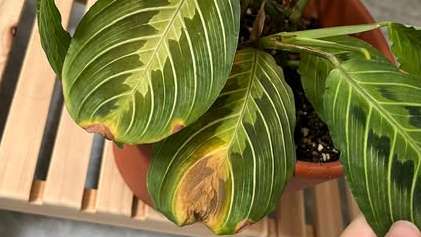
Many gardeners simply call this problem leaf burn, but leaf burn does not always come from a disease. Plants can develop burned or damaged leaves because of intense sunlight, underwatering, improper watering, too much fertilizer, nutrient problems, pests, or fungal and bacterial infections.
If you do not identify the real cause, treating the problem may not work. In some cases, watering too much or adding more fertilizer when a plant is already stressed can make the situation even worse.
Don’t worry. By carefully observing your plant and making the right adjustments, many cases of leaf burn can improve significantly.
Common Signs of Leaf Burn
Leaf burn can affect many different types of plants, including vegetables, flowers, fruit trees, and houseplants.
Some common signs include:
- Leaf edges turning yellow or brown.
- Leaf tips becoming dry and crispy.
- Leaves curling or becoming distorted.
- Brown spots appearing on the leaf surface.
- Leaves wilting during hot weather.
- Older leaves becoming damaged first.
- Leaves eventually drying out and falling from the plant.
However, not every brown leaf is caused by the same problem. Before using fertilizer or plant disease treatments, it is important to check the growing conditions and overall health of the plant.
Too Much Sunlight and Heat
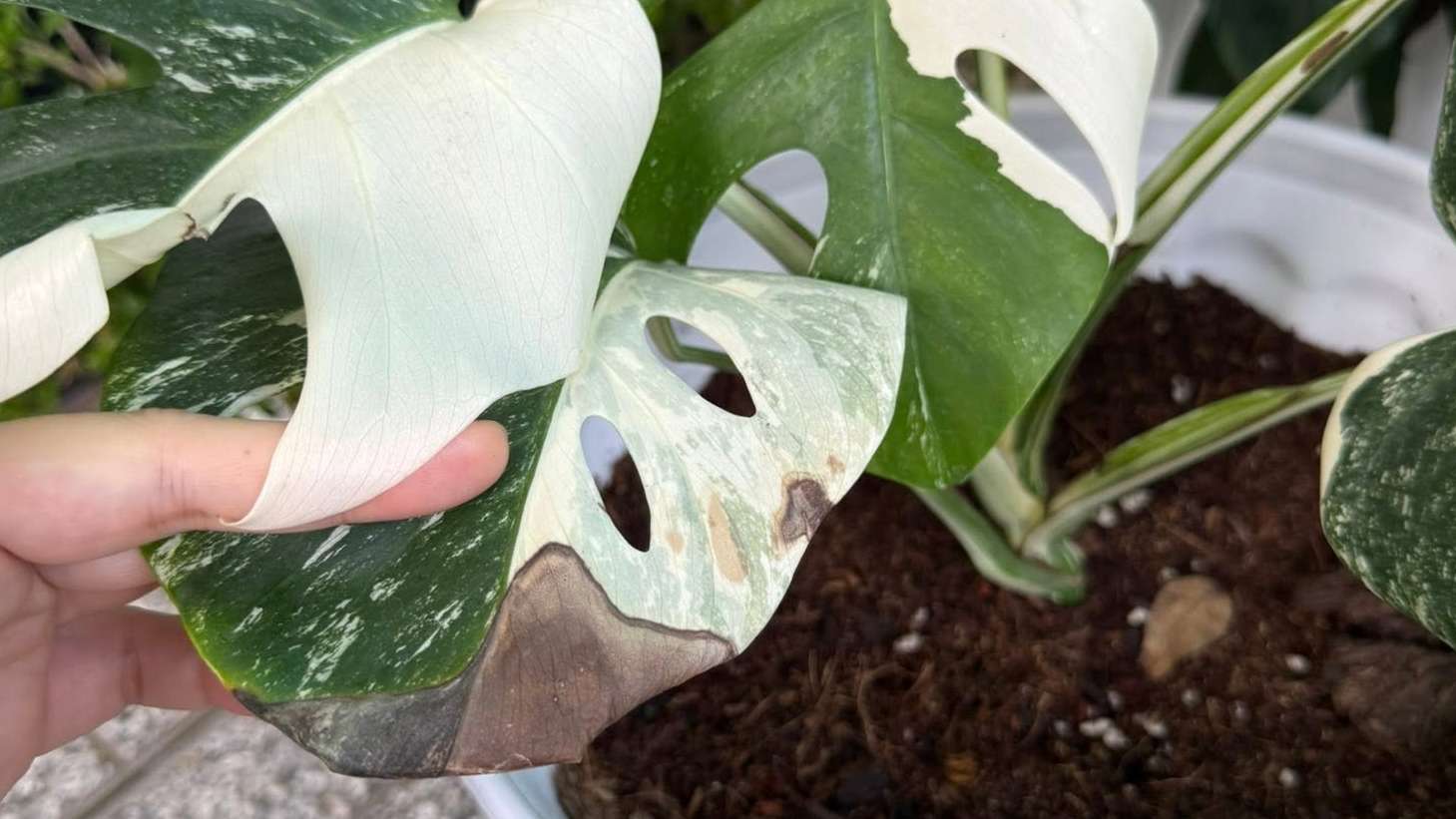
One of the most common causes of leaf burn is intense sunlight and excessive heat.
Some plants grow well in full sun, but newly planted or stressed plants can become damaged when exposed to strong sunlight for long periods. Plants that naturally prefer partial shade can also struggle in intense afternoon sun.
When temperatures become too high, water can evaporate from the leaves faster than the roots can replace it. As a result, the edges or surfaces of the leaves may begin to dry out, turn yellow, and eventually become brown.
If leaf damage mainly appears on the side of the plant facing the strongest sunlight, heat stress may be part of the problem.
How to Fix It
Provide temporary shade during the hottest part of the day if necessary. Shade cloth can help protect sensitive plants without completely blocking the light they need for photosynthesis.
For plants growing in containers, you may be able to move them to a location with gentle morning sun and protection from intense afternoon heat.
Underwatering or Inconsistent Watering
Lack of water is another very common cause of leaf burn.
When the soil stays dry for too long, the roots cannot absorb enough water to supply the leaves. The leaf tips and edges are often affected first because they can lose moisture quickly.
Inconsistent watering can also stress plants. For example, allowing the soil to become extremely dry for several days and then suddenly soaking it with a large amount of water can make it difficult for the plant to adjust.
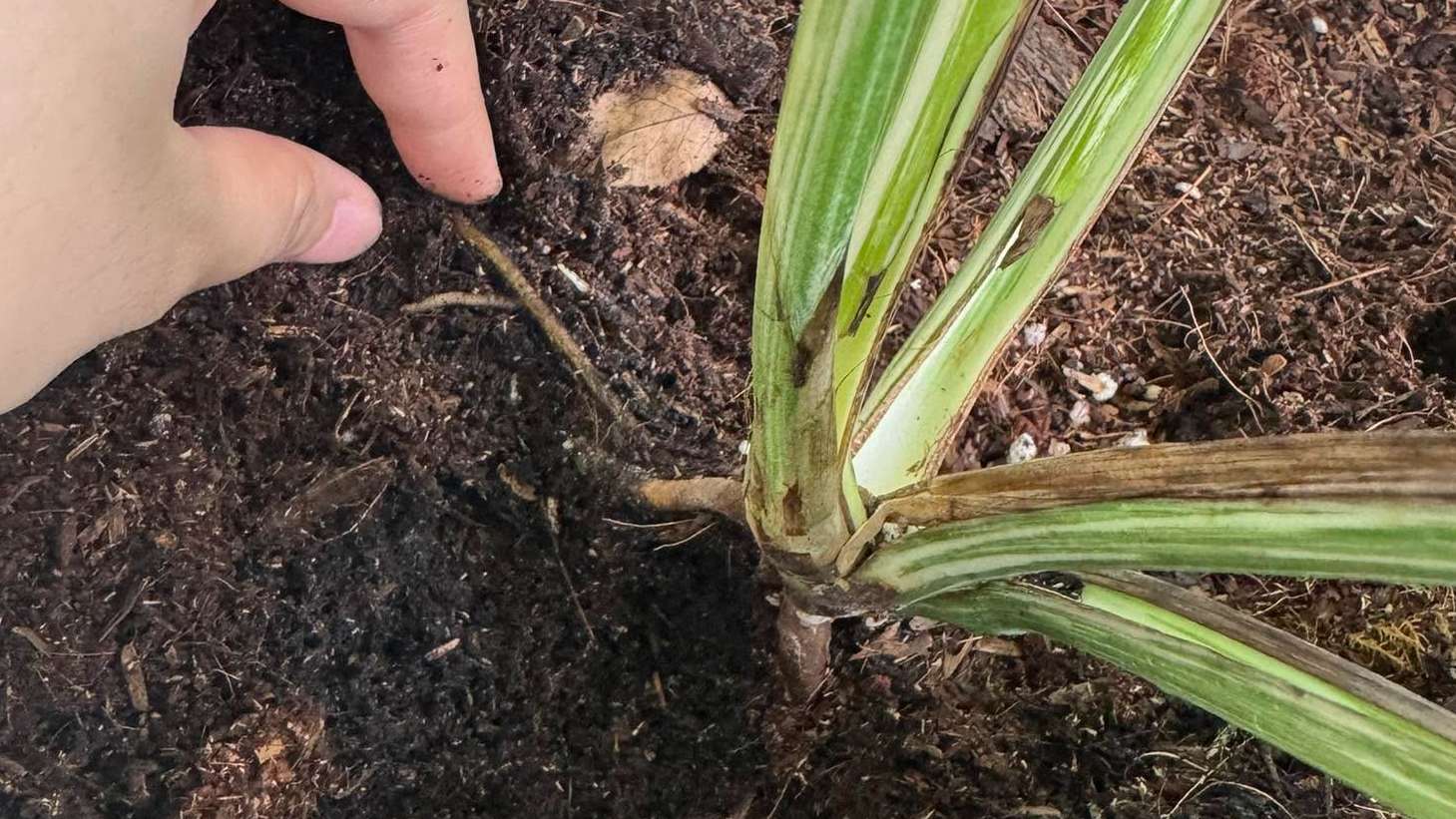
You can check the soil below the surface with your finger. If the soil is dry and the leaves are beginning to wilt or develop brown edges, the plant may need water.
How to Fix It
Try to maintain consistent soil moisture based on the needs of the specific plant.
Water when the soil begins to dry, but avoid allowing the plant to remain completely dry for extended periods.
Early morning is often one of the best times to water because it gives moisture time to reach the roots before temperatures become too high.
Overwatering Can Also Cause Leaf Problems
Many people see dry or yellow leaves and immediately assume that the plant needs more water. However, too much water can cause similar symptoms.
When the soil remains constantly wet, the roots may not receive enough oxygen. Over time, the roots can become weak or damaged.
A weak root system cannot absorb water and nutrients efficiently. As a result, leaves may turn yellow, develop brown edges, or begin to dry out.
If your plant has leaf burn but the soil is constantly wet, avoid adding more water immediately.
Instead, check the drainage of the container or planting area. Water should be able to move through the soil without remaining around the roots for long periods.
Too Much Fertilizer
Overfertilizing is another possible cause of leaf burn.
When too much fertilizer builds up in the soil, the roots can become stressed or damaged. This problem may occur after applying fertilizer too frequently or using a concentration that is too strong.
A common sign is leaf tips or edges turning brown, especially if the problem begins shortly after fertilizing.
If you suspect fertilizer burn, avoid applying additional fertilizer until the plant begins to stabilize.
Watering appropriately may help reduce excess fertilizer salts in the soil, but good drainage is important.
For long-term plant care, properly composted organic materials can help improve soil structure while gradually providing nutrients.
Nutrient Problems Can Weaken Leaves
In addition to too much fertilizer, nutrient deficiencies can also affect leaf health.
Plants need a balanced supply of nutrients to grow properly. When they do not receive enough of certain nutrients, leaves may become weak, discolored, or more vulnerable to environmental stress.
However, you should not rely only on leaf color to decide which nutrient is missing.
Nutrient deficiencies can sometimes look similar to problems caused by pests, diseases, poor root health, or unsuitable growing conditions.
It is best to examine the entire plant, including the leaves, stems, roots, and soil conditions, before deciding to add fertilizer.
Fungal and Bacterial Leaf Problems
During rainy weather or periods of high humidity, some fungal and bacterial diseases can affect plant leaves.
Unlike leaf damage caused by heat or underwatering, diseases often create spots or patches with more defined shapes.
These spots may be brown, yellow, or black and sometimes have a visible border around them. Under favorable conditions, the spots can grow larger and spread to other leaves.
If you suspect a disease, check whether the same symptoms are appearing on multiple leaves or other plants nearby.
How to Fix It
Start by removing leaves that are severely affected.
Use clean scissors or pruning tools when removing damaged leaves. Avoid leaving heavily diseased plant material around the growing area because some plant pathogens can survive and spread.
Improving air circulation can also help. Avoid overcrowding plants, especially during humid weather.
Biological soil products containing beneficial microorganisms such as Trichoderma may be used as part of a soil care routine according to the product instructions.
If pests are present, plant-based products such as neem oil may also help manage certain insects. Always follow the product label and test a small area of the plant before applying any treatment more widely.
Should You Remove Burned Leaves?
Removing severely damaged leaves can help the plant focus its energy on healthy growth.
However, avoid removing too many healthy leaves at once. Leaves are essential for photosynthesis and provide the plant with energy.
Remove leaves that are completely dry, severely damaged, or heavily affected by disease.
If only a small portion of a leaf is damaged while the rest remains green and healthy, you can usually leave it on the plant and continue monitoring the situation.
How to Prevent Leaf Burn
Preventing leaf problems is usually easier than treating severe damage later.
Here are a few simple ways to reduce the risk of leaf burn:
- Choose a growing location with the right amount of sunlight for your plant.
- Water consistently without keeping the soil constantly wet.
- Use loose, well-draining soil.
- Avoid applying too much fertilizer.
- Check plants regularly for early signs of problems.
- Remove severely diseased or pest-damaged leaves.
- Provide enough space between plants for good airflow.
Leaf burn is not always a serious problem. In many cases, it is simply a sign that something in the plant’s environment or care routine needs to be adjusted.
The most important thing is not to react too quickly by adding large amounts of water or fertilizer. Instead, carefully observe where the damage appears, check the soil moisture, and consider the amount of sunlight the plant receives.
Once you identify the likely cause and make the right changes, many plants can recover and continue producing healthy new growth.