
Cultivating the stunning Jacaranda mimosifolia is a rewarding gardening experience, but even this resilient subtropical beauty can encounter environmental and biological stress. From unexpected leaf drop to persistent pests and periods of poor flowering, managing these issues properly can help keep your tree healthy and vibrant.
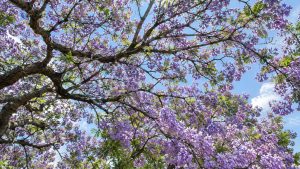
This comprehensive troubleshooting guide explores the causes of common problems, biological pest control methods, fungal disease management, and practical techniques for encouraging healthy, abundant blooms each year.
Abnormal Yellowing and Premature Leaf Drop
When a Jacaranda drops leaves outside its normal seasonal cycle, it may be signaling an environmental or physiological imbalance. Identifying the cause quickly can help prevent further decline.
- Overwatering and Root Stress: One of the most common causes of yellowing leaves, or chlorosis, is consistently soggy soil. When roots remain in waterlogged conditions for extended periods, they have limited access to oxygen and may struggle to absorb nutrients such as nitrogen and iron. Solution: Allow the top 3 to 4 inches of soil to dry between waterings, and improve drainage in heavy soils by incorporating organic matter and other suitable soil amendments.
- Nutrient Deficiencies: In alkaline soils with a pH above 7.5, Jacarandas may have difficulty taking up iron, resulting in interveinal chlorosis, where the leaf tissue turns yellow while the veins remain green. Solution: Test the soil first and correct the underlying pH or nutrient imbalance. A chelated iron product may help when iron deficiency is confirmed.
- Transplant Shock: Recently planted saplings may temporarily drop leaves as they redirect energy toward establishing new roots. Maintain consistent but moderate soil moisture and avoid heavy fertilization until the tree begins producing healthy new growth.
Common Insect Pests and Biological Control Strategies
Although mature Jacarandas are generally resilient, young trees and stressed specimens can attract opportunistic pests. Using targeted, lower-impact control methods can help protect beneficial insects and maintain a healthier garden ecosystem.
- Aphids: These small, sap-sucking insects often cluster on tender spring growth. They produce sticky honeydew that can encourage the development of black sooty mold on leaves and stems. Solution: Encourage natural predators such as ladybugs and lacewings, or wash aphid colonies from the foliage with a strong stream of water. Insecticidal soap or horticultural oil can also be used according to the product label.
- Spider Mites: Thriving in hot, dry conditions, spider mites can create fine webbing on the undersides of leaves and cause stippling, yellowing, or bronzed foliage. Solution: Keep the tree adequately watered and reduce dusty conditions around the plant. A strong spray of water can help dislodge mites, while insecticidal soap or other labeled miticide products may be appropriate for heavier infestations.
- Leaf-Eating Caterpillars: Various moth and butterfly larvae may occasionally feed on the delicate, fern-like leaflets. Solution: Hand-pick caterpillars when infestations are small, or use Bacillus thuringiensis (Bt) according to the product label when additional control is needed. Bt is particularly useful against susceptible caterpillar species while having a relatively low impact on many beneficial insects.
Root Rot and Fungal Disease Management
Fungal and fungus-like pathogens can pose a serious threat to Jacaranda trees, particularly when the root system is weakened by poor drainage or prolonged soil moisture.
- Phytophthora and Armillaria Root Rot: Affected trees may develop sparse foliage, branch-tip dieback, weak growth, or darkened areas near the lower trunk. Persistently wet soil is a major warning sign. Solution: Prevention is critical because advanced root rot can be extremely difficult to reverse. Choose well-drained planting sites and avoid piling mulch directly against the trunk. If root problems are suspected, improve drainage and reduce excessive irrigation. Fungicides should only be used when appropriate for the identified disease and according to the product label.
- Powdery Mildew: During humid conditions with limited air movement, a white, powdery coating may develop on leaves and young shoots. Solution: Prune selectively to improve airflow and sunlight penetration through the canopy. Avoid excessive crowding and unnecessary overhead watering. For persistent problems, use a labeled fungicide such as a sulfur- or potassium bicarbonate-based product according to the manufacturer’s instructions.
Troubleshooting Non-Blooming or Faded Flowers
One of the most frustrating challenges for growers is a healthy-looking Jacaranda that produces abundant foliage but few flowers, or produces blooms that appear less vibrant than expected.
For complete diagnostic guidance, practical remedies, and seasonal care tips, review this detailed Jacaranda mimosifolia common diseases and treatment guide to help keep your tree healthy and performing at its best.
- The Nitrogen Trap: Applying excessive amounts of high-nitrogen lawn fertilizer near the tree can encourage vigorous leafy growth while reducing flowering. Solution: Avoid high-nitrogen fertilizers around Jacarandas and test the soil before applying additional nutrients. If fertilization is needed, choose a balanced or lower-nitrogen fertilizer appropriate for ornamental trees and follow the product label.
- Insufficient Sunlight: A Jacaranda planted in partial shade or shaded by larger trees and structures may produce fewer flowers. Solution: If possible, reduce surrounding shade so the tree receives at least 6 to 8 hours of direct sunlight each day. Avoid removing large branches from established trees without first considering their overall health and structure.
- Pruning at the Wrong Time: Heavy pruning during the period when flower buds are developing can reduce the number of blooms produced during the following flowering season. Solution: Limit pruning to necessary structural work and remove unwanted growth at an appropriate time for the tree and local climate. Avoid unnecessary cuts that remove healthy flowering wood.
Summary: Proactive Care for Long-Term Health
Maintaining a thriving Jacaranda requires consistent attention to watering, sunlight, soil drainage, pest activity, and pruning practices. By identifying signs of stress early and addressing environmental or biological problems with targeted solutions, you can help your tree remain healthy, resilient, and attractive in the landscape for many years.
With adequate sunlight, well-drained soil, appropriate irrigation, careful nutrient management, and thoughtful pruning, Jacaranda mimosifolia can reward you with its distinctive fern-like foliage and spectacular purple blooms season after season.