When you walk into many modern homes, offices, or businesses, you may notice lush green plants with straight or artistically curved stems displayed in clear glass containers. This is Lucky Bamboo—a popular houseplant valued for its attractive appearance, easy care, and traditional symbolism.
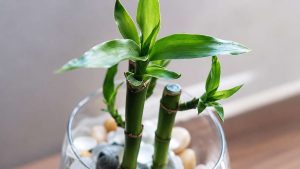
Despite having the word “Bamboo” in its name, Lucky Bamboo is not actually bamboo. So why has this plant become so popular around the world? Let’s explore this complete guide to growing, caring for, understanding the Feng Shui meaning, and styling Lucky Bamboo in your living space.
What Is Lucky Bamboo? Botanical Characteristics and History
Many people mistakenly think Lucky Bamboo is a small type of bamboo that grows in water. Scientifically, however, this plant is known as Dracaena sanderiana. It belongs to the asparagus family (Asparagaceae) and is native to tropical regions of Africa.
Historical Roots and Cultural Introduction
Lucky Bamboo has long been associated with traditional East Asian decorative practices and symbolism. Its upright stems and ability to grow in relatively simple conditions helped make it a popular ornamental plant. Over time, it became especially associated with Feng Shui-inspired interiors and gift-giving traditions.
By the 1990s, Lucky Bamboo had become increasingly popular in Western markets, where it was embraced as both an easy-care houseplant and a decorative element. Its reputation as a symbol of resilience, harmony, and prosperity helped make it a familiar choice for homes, offices, and businesses.
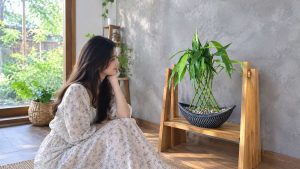
Key Botanical Features
- Appearance: The stems grow upright and have distinct nodes that resemble those of bamboo. They are usually smooth, green, and somewhat succulent. The narrow, elongated leaves grow along the stems.
- Flexible stems: Young stems are highly flexible, allowing growers to shape them into decorative forms such as tiered towers, spirals, and other attractive arrangements.
- Hardy nature: Lucky Bamboo is considered one of the easier houseplants to grow. It can tolerate relatively low indoor light and adapt well to offices, living rooms, and other indoor spaces without direct sunlight.
The Art of Shaping: How Spiral and Braided Stems Are Created
One of the most striking features of commercial Lucky Bamboo is its unusual geometric shapes, including spiral stalks, braided stems, and multi-tiered towers.
- The Spiral Technique: Growers can create the familiar corkscrew shape by carefully controlling the plant’s exposure to light. As Lucky Bamboo grows, its stems naturally lean toward a light source. By gradually changing the plant’s orientation in a controlled growing environment, growers can encourage the stem to curve and develop a spiral form over time.
- Braided and Grid Designs: Young, flexible stems can also be gently woven or secured together with soft plant ties while they are still pliable. As the stems mature and become thicker, they can retain the general framework of the decorative design.
These shapes are created gradually and require patience. They are not natural growth forms that appear automatically on every Lucky Bamboo plant.
How to Grow Lucky Bamboo at Home
Lucky Bamboo is highly adaptable when it comes to growing methods. You can grow it in water or in soil, depending on your space and personal preference.
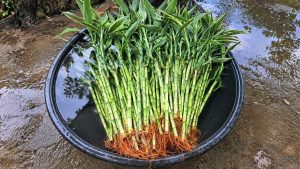
Growing in Water (Hydroponics) – The Most Popular Method
Growing Lucky Bamboo in water keeps your workspace clean and modern while allowing you to enjoy the plant’s attractive root system through a clear container.
- Choose a container and growing medium: Use a clear glass container. Add a 1–2-inch layer of pebbles, gravel, or decorative glass stones to the bottom to help keep the stems upright.
- Ideal water level: Add enough water to cover the stones and keep the roots submerged by about 1–2 inches. Avoid covering too much of the stem with water, as this can encourage rot.
- Water quality: Lucky Bamboo can be sensitive to chlorine and fluoride in tap water. Filtered or distilled water is a good option. If you use tap water, letting it sit uncovered overnight can allow some chlorine to dissipate before you use it.
Growing in Soil
Growing Lucky Bamboo in soil provides the plant with a more natural source of nutrients and can encourage fuller foliage.
- Potting mix: Choose a loose, well-draining potting mix that contains organic matter. You can mix regular potting soil with a small amount of perlite or coco coir to improve drainage.
- Planting technique: Place the plant in the container, gently fill in around the roots, and lightly firm the soil to hold the plant in place. Water thoroughly after planting and place the pot in a warm location with bright, indirect light while the plant becomes established.
A Detailed Care Guide for Healthy Green Growth
Although Lucky Bamboo is easy to grow, a few basic care practices can help keep the foliage green and reduce problems such as yellowing leaves.
- Light: Lucky Bamboo prefers bright, indirect light. Avoid placing it in harsh, direct sunlight, which can scorch the leaves and cause them to turn yellow or dry out. Indoor lighting can also provide enough light for the plant to maintain healthy growth.
- Temperature and placement: A comfortable temperature range is around 65°F to 90°F. Avoid placing the plant directly in front of an air conditioner, heater, or other strong source of hot or cold air.
- Changing water and cleaning (for water-grown plants):
- Change the water every 1–2 weeks.
- Each time you change the water, gently rinse the roots and clean the inside of the container to remove buildup and algae.
- Fertilizing: Lucky Bamboo grown in water needs only a small amount of diluted liquid fertilizer formulated for houseplants. Avoid overfertilizing, as excessive fertilizer can damage the roots and contribute to yellowing. Plants grown in soil can be fertilized lightly every 2–3 months, depending on the potting mix and fertilizer used.
Common Problems and How to Handle Them
- Yellow leaves: Yellowing can be caused by too much direct sunlight, poor-quality water, or excessive fertilizer. Remove severely damaged leaves, switch to cleaner water, and move the plant to a location with bright, indirect light.
- Soft or mushy stems and root rot: This can indicate prolonged waterlogging or rotting tissue. Use a clean, sterilized knife to remove the damaged section, cutting back to healthy, firm tissue. The healthy portion can then be placed in clean water to encourage new root growth.
Feng Shui Meaning and the Symbolism of Different Numbers of Stems
In traditional Chinese and East Asian Feng Shui practices, Lucky Bamboo is often associated with prosperity, resilience, positive energy, and good fortune. Some traditional arrangements are also described as representing the five elements of Feng Shui:
- Wood: Represented by the plant itself.
- Water: Represented by the water used to grow the plant.
- Earth: Represented by soil, stones, or pebbles used in the arrangement.
- Fire: Traditionally represented by a red ribbon or red decoration tied around the stems.
- Metal: Often represented by a metal container or a symbolic coin placed within the arrangement.
The Traditional Meaning Behind Different Numbers of Stems
- 2 stems: Often associated with love, partnership, harmony, and balanced relationships.
- 3 stems: Traditionally connected with three important blessings: happiness (Fu), prosperity (Lu), and longevity (Shou).
- 5 stems: Often associated with health, balance, and positive energy across different areas of life.
- 6 stems: Traditionally linked with good fortune, prosperity, and opportunities for financial growth.
- 8 stems: Commonly associated with wealth, abundance, business success, and prosperity.
- 9 stems: Traditionally considered a symbol of great fortune, abundance, and completeness.
- (Note: In traditional Chinese symbolism, four stems are often avoided because the pronunciation of the number four is associated with death in Chinese, giving it an unfavorable meaning.)
These meanings are part of traditional cultural and Feng Shui beliefs rather than scientifically established effects.
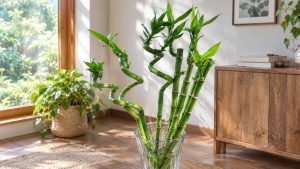
Interior Styling Ideas and Important Pet Safety Notice
Styling Your Space with Lucky Bamboo
Because of its clean silhouette and compact size, Lucky Bamboo can fit naturally into many different interior styles.
- Office Desks: A small three-stem arrangement in a minimalist glass container can add a touch of greenery without taking up much workspace.
- Living Room Coffee Tables: A multi-tiered or spiral arrangement can serve as an eye-catching natural centerpiece.
- Entryways: Placing Lucky Bamboo near an entryway is a popular decorative choice and, according to Feng Shui traditions, is sometimes associated with welcoming positive energy into the home.
Important Safety Note for Pet Owners
If you have cats or dogs at home, keep Lucky Bamboo out of their reach. Although it is not true bamboo, Dracaena sanderiana belongs to the Dracaena genus and contains compounds called saponins that can be harmful to pets if eaten.
According to veterinary guidance, ingestion may cause symptoms such as vomiting, excessive drooling, decreased appetite, or lethargy. If you suspect that your pet has eaten part of a Lucky Bamboo plant and develops symptoms, contact your veterinarian for advice.
For households with curious pets, placing the plant on a high, stable shelf or in an area that pets cannot access can help reduce the risk.
Final Thoughts
Lucky Bamboo is more than an attractive houseplant that adds a clean and elegant touch to an indoor space. It is also surrounded by rich cultural traditions, artistic possibilities, and symbolism associated with harmony, prosperity, and positive energy.
With its easy-growing nature, minimal maintenance requirements, and striking appearance, Lucky Bamboo can make a thoughtful addition to your home or a meaningful gift for someone you care about.
Are you ready to choose a small Lucky Bamboo arrangement to brighten your desk, office, or living room today?
Lucky Bamboo FAQs
Is Lucky Bamboo a real type of bamboo?
No. Lucky Bamboo is not true bamboo. Its scientific name is Dracaena sanderiana, and it belongs to the asparagus family. It is called Lucky Bamboo because its segmented stems resemble bamboo.
Can Lucky Bamboo grow in water?
Yes. Lucky Bamboo can grow successfully in water as long as its roots remain submerged and the water is kept clean. Many people grow it in clear glass containers with pebbles or decorative stones.
How much light does Lucky Bamboo need?
Lucky Bamboo grows best in bright, indirect light. Keep it away from strong, direct sunlight, which can scorch the leaves and cause yellowing. It can also adapt to lower indoor light conditions.
How often should I change the water for Lucky Bamboo?
For Lucky Bamboo grown in water, changing the water every one to two weeks is a good general practice. Clean the container and gently rinse the roots when changing the water to help prevent algae and buildup.
Is Lucky Bamboo safe for cats and dogs?
No. Lucky Bamboo (Dracaena sanderiana) contains saponins that can be harmful to cats and dogs if they eat the plant. Keep it somewhere your pets cannot reach, and contact your veterinarian if you suspect your pet has ingested it.