Dahlia flowers are among the most beautiful blooms you can grow in a garden. Available in countless colors, shapes, and sizes, dahlias add vibrant color to flower beds, borders, containers, and cutting gardens.
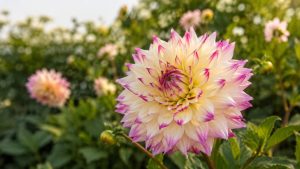
They are especially loved for their long blooming season, often flowering from summer into fall. With proper care, dahlias can become a stunning highlight in almost any garden.
What Is a Dahlia Flower? Common Types of Dahlias
A dahlia is a flowering plant in the genus Dahlia. Native to Mexico and parts of Central America, dahlias are now grown in gardens throughout the world. They are especially popular with gardeners in the United States and United Kingdom because of the enormous number of varieties available.
Dahlias come in many different forms, and they are commonly grouped according to the shape and arrangement of their petals. Some have simple, open blooms that look similar to daisies, while others have dozens of tightly packed petals that create large, rounded flowers.
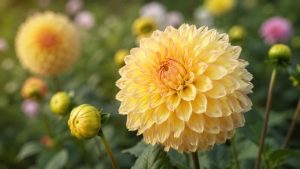
Popular types include single dahlias, decorative dahlias, ball dahlias, pompon dahlias, cactus dahlias, and semi-cactus dahlias. Each group has its own distinctive appearance. Some varieties produce relatively small flowers that work well in containers, while others produce large blooms that make impressive focal points in the garden.
Dahlia flowers also come in an incredible range of colors. Depending on the variety, you can find blooms in white, yellow, orange, red, pink, purple, and combinations of several colors. Some flowers even have contrasting edges or centers.
This wide selection is one of the reasons dahlias are so appealing to home gardeners. You can choose varieties that match almost any garden color scheme, from soft pastel combinations to bright, dramatic displays.
Dahlia Flower Meaning
Dahlias are often associated with beauty, elegance, inner strength, and creativity. Their intricate layers of petals and unusual shapes give them a distinctive appearance that stands out among many other garden flowers.
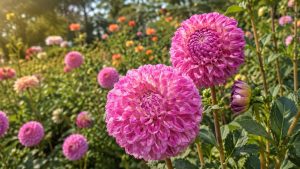
The meaning associated with dahlias can also vary depending on flower color. Red dahlias are often connected with strength, passion, and commitment, while white dahlias can represent purity and innocence. Pink varieties may create a softer and more graceful feeling, while purple dahlias are often associated with elegance and distinction.
For gardeners, however, dahlias can have a much simpler meaning. They represent the beauty of late summer and fall. When many early-season flowers are starting to disappear, dahlias can continue filling the garden with fresh color.
Their long blooming season is one of the reasons I enjoy growing them. A well-cared-for dahlia plant can keep producing new flowers for weeks, making it a valuable addition to a summer and fall garden.
How Long Does It Take for Dahlias to Bloom?
The time it takes for dahlias to bloom depends on the variety, planting method, weather, and growing conditions. In general, plants can begin producing flowers a few months after planting when they receive the conditions they need.
Dahlias grown from tubers usually get a head start compared with plants grown from seed. A healthy tuber already contains stored energy, allowing it to produce roots and new shoots relatively quickly once conditions are favorable.
With adequate sunlight, warm soil, good drainage, and consistent care, dahlias can begin flowering during the summer. Some varieties may bloom earlier than others, so checking the expected maturity period for your particular variety can be helpful.
Growing dahlias from seed generally takes longer. The seedlings first need to germinate, develop leaves and stems, and establish a healthy root system before they are ready to produce flowers.
Temperature also plays an important role. Dahlias prefer warm growing conditions and do not perform well when planted into cold, wet soil. If temperatures remain low, growth may be delayed and flowering can take longer.
For this reason, choosing the right planting time is one of the easiest ways to give dahlias a strong start.
When Do Dahlia Flowers Bloom?
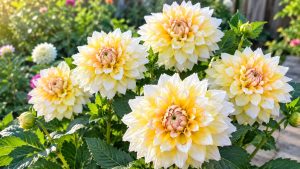
Dahlia flowers typically bloom during summer and continue into fall. The exact timing depends on your climate, the variety you grow, and when you plant.
In many areas, dahlias begin flowering in mid to late summer. Once the plants start blooming, they can continue producing new flowers for many weeks when growing conditions remain favorable.
One of the best ways to encourage continuous blooming is to remove spent flowers regularly. Instead of allowing the plant to put energy into developing seeds, deadheading encourages it to produce additional flower buds.
In areas with cold winters, the flowering season usually ends when temperatures drop significantly. Frost can damage the foliage and stems, so gardeners in colder climates need to pay attention to the weather toward the end of the season.
If you want flowers for as long as possible, keep harvesting blooms, remove faded flowers, and maintain good growing conditions throughout the season.
How to Grow and Care for Dahlia Flowers: Tips From an Experienced Gardener
Dahlias are relatively easy to grow once you understand what they need. In my experience, the biggest mistake is trying to plant them too early, especially when the soil is still cold and wet. Waiting for warmer conditions gives the tubers a much better chance to get established.
Sunlight is another major factor. Dahlias generally perform best in a location that receives around six hours or more of direct sunlight each day. Good sunlight helps the plants develop strong stems and produce plenty of flowers. In very hot climates, however, some afternoon protection can help reduce heat stress.
I also pay close attention to the soil. Dahlias like fertile, loose soil that drains well. Adding organic matter such as compost can improve soil structure and provide nutrients, but the soil should never remain waterlogged for long periods.
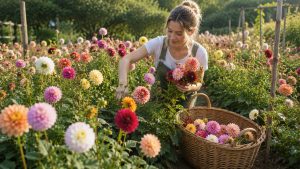
Watering is important once the plants are actively growing. I prefer watering deeply when the soil begins to dry rather than giving the plants small amounts of water every day. This encourages the roots to grow deeper and helps maintain more consistent moisture.
Tall varieties often need support. I recommend installing stakes while the plants are still young rather than waiting until they become tall and covered with heavy flowers. Strong winds can easily bend unsupported stems.
Deadheading is another simple habit that makes a noticeable difference. Removing faded blooms keeps the plants looking tidy and encourages them to keep producing flowers.
Finally, give each plant enough space. Good airflow around the foliage helps the leaves dry more quickly after rain or watering and can reduce the risk of some fungal problems.
Growing Dahlias From Tubers
Growing dahlias from tubers is one of the easiest and most popular ways to start these plants. Tubers are usually planted after the danger of very cold weather has passed and the soil has warmed.
Choose a sunny location with fertile, well-draining soil. Prepare the planting area, place the tuber according to the planting instructions for the variety, and cover it with soil.
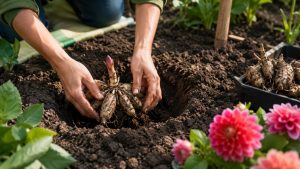
One mistake I often see is overwatering immediately after planting. A dormant tuber does not need to sit in constantly wet soil. Excess moisture can create problems before the plant has even started growing.
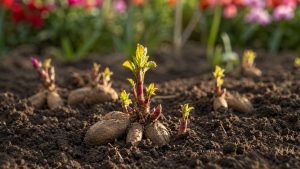
Water lightly after planting and wait for new shoots to appear. Once the plant begins active growth, it will need more consistent moisture.
As the plant becomes taller, provide support if necessary. Large-flowered varieties are particularly likely to benefit from staking because heavy blooms can put considerable weight on the stems.
With the right conditions, tubers can develop into vigorous plants and produce flowers during the summer.
Growing Dahlias From Cuttings
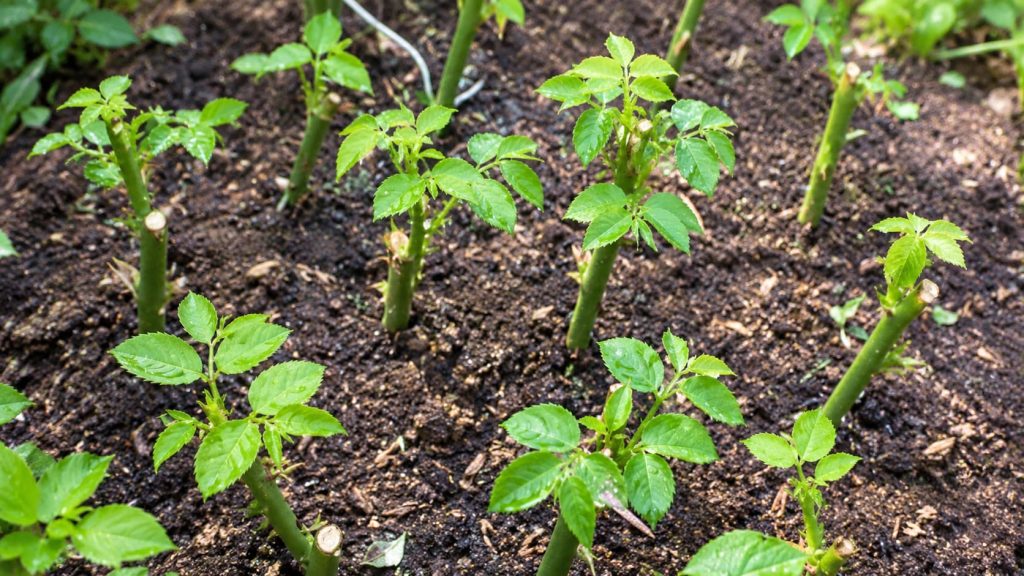
Dahlias can also be propagated from cuttings. This method is useful when you want to produce additional plants from a healthy dahlia that you already grow.
Choose a healthy young shoot without visible signs of pests or disease. Using a clean, sharp tool, take the cutting and place it into a light, well-draining growing medium.
The cutting needs consistent moisture while it develops roots, but the growing medium should not remain saturated. Excess moisture can cause the cutting to rot before roots have a chance to develop.
Once the cutting has established a healthy root system and begins producing new growth, it can be moved into a larger container or planted in the garden when conditions are suitable.
One advantage of propagation from cuttings is that the new plant retains the characteristics of the parent plant. This can be particularly useful if you have a dahlia variety with flowers you especially like and want to grow more plants with similar characteristics.
Growing Dahlias From Seeds
Growing dahlias from seed can be a fun option for gardeners who enjoy starting plants from scratch. It also gives you the opportunity to discover variations in flower color and form.
Start the seeds in trays or small containers filled with a light, well-draining seed-starting mix. Keep the medium evenly moist and provide enough light for healthy seedling development.
Once the seedlings become strong enough to handle, they can be moved into larger containers. They can eventually be planted outdoors when temperatures and growing conditions are suitable.
One interesting difference between growing from tubers and growing from seed is genetic variation. Seed-grown dahlias, particularly those from hybrid varieties, may not look exactly like the parent plant.
You may end up with flowers in different colors, shapes, or sizes. For gardeners who enjoy experimenting, this is part of the fun of growing dahlias from seed.
Common Dahlia Flower Pests and Diseases
Dahlias are generally vigorous plants, but they can still experience problems with insects and diseases.
Aphids are among the common pests to watch for. They often gather around young shoots and the undersides of leaves, where they feed on plant sap. Slugs and snails may also damage young foliage, especially in damp garden conditions.
Other garden pests can occasionally feed on dahlia leaves and flower buds. Regularly checking your plants makes it easier to spot problems before they become widespread.
Dahlias can also experience fungal diseases when conditions are consistently damp. Poor air circulation, crowded planting, and wet foliage can create an environment where fungal problems are more likely to develop.
The best approach is prevention. Give plants adequate spacing, choose a location with good airflow, and avoid keeping the soil constantly saturated. Watering near the base of the plant rather than repeatedly wetting the foliage can also help keep the leaves drier.
Inspect your dahlias regularly and remove badly damaged plant material when necessary. Catching problems early is usually much easier than trying to deal with a serious infestation or disease later in the season.
Conclusion
Dahlia flowers are an excellent choice for gardeners who want bold, colorful blooms from summer through fall. With hundreds of varieties and an impressive range of flower shapes, sizes, and colors, dahlias offer plenty of options for both new and experienced gardeners.
The key to growing healthy dahlias is providing the right conditions from the beginning. Choose a sunny location, use fertile and well-draining soil, and wait until the soil is warm enough before planting.
Growing from tubers is the most common and straightforward method, while cuttings provide a useful way to multiply a favorite plant. Growing from seed takes more patience but can be especially rewarding if you enjoy discovering new flower forms and colors.
With regular watering, adequate support, good airflow, and consistent deadheading, dahlias can produce an impressive succession of blooms throughout the growing season.
Dahlia Flower FAQs
Are dahlias perennial flowers?
Dahlias are technically tender perennials, but how they are grown depends on the climate. In warm regions, the plants may survive from one year to the next. In areas with cold winters, gardeners often dig up and store the tubers before freezing temperatures arrive.
How much sunlight do dahlias need?
Most dahlias grow best with at least six hours of direct sunlight each day. More sunlight generally encourages strong growth and abundant flowering. In extremely hot climates, some afternoon shade may help protect the plants from excessive heat.
Can dahlias grow in containers?
Yes. Compact dahlia varieties can grow very well in containers. Choose a container that is large enough for the variety and make sure it has drainage holes. Container-grown dahlias also need regular watering because pots can dry out faster than garden soil.
How long do dahlia flowers last?
Individual blooms can last for several days or longer depending on the variety and weather. However, the plant can continue producing new flowers for many weeks. Regular deadheading and harvesting can encourage additional blooms throughout the season.
Why are my dahlias not blooming?
A lack of flowers can have several causes. Insufficient sunlight, cold weather, overly wet soil, and immature plants can all delay flowering. Make sure the plants receive enough sunlight and have well-draining soil. Some varieties simply need more time to mature before producing their first blooms.
Do I need to dig up dahlia tubers for winter?
If you live in an area where the ground freezes during winter, digging up and storing dahlia tubers is often necessary to protect them from freezing temperatures. In mild climates, the tubers may be able to remain in the ground with suitable protection.