Bougainvillea is a vibrant, drought-tolerant plant native to tropical and subtropical South America, especially Brazil. It is best known for its colorful, papery bracts and long flowering season.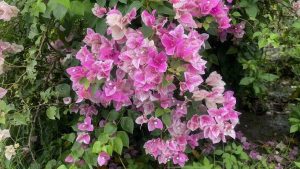
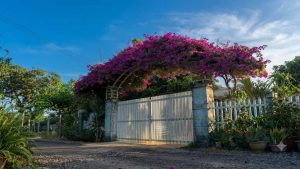
Its vigorous growth makes it an excellent choice for covering walls, fences, arches, pergolas, and trellises in warm climates.
With plenty of sunlight, well-drained soil, and careful watering, Bougainvillea can be grown as a vine, shrub, or even a bonsai.
What Is Bougainvillea?
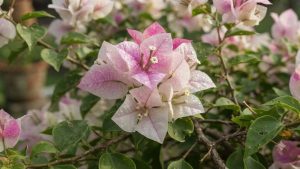
Bougainvillea is a woody, thorny flowering plant native to South America and widely grown in warm climates around the world. It is best known for its bright, papery bracts, which surround the plant’s small true flowers and create its familiar bursts of color.
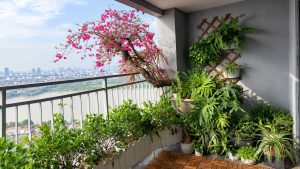
Depending on the variety and how it is trained, Bougainvillea can grow as a climbing vine, sprawling shrub, or container plant. Gardeners value it for its vigorous growth, drought tolerance, and ability to bring bold color to walls, fences, patios, and other outdoor spaces.
Popular Bougainvillea Varieties
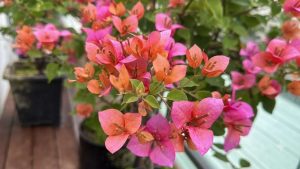
There are many Bougainvillea cultivars and hybrids available today, with differences in color, growth habit, mature size, and flowering performance. Some are better suited to containers, while more vigorous varieties are ideal for covering large structures.
- Barbara Karst: One of the most recognizable varieties, producing vivid red to magenta bracts. It is vigorous, heat tolerant, and known for producing abundant color when grown in full sun.
- Vera Deep Purple: This variety is prized for its rich purple bracts and relatively compact growth. Its manageable size makes it a good choice for containers, patios, balconies, and smaller garden spaces.
- San Diego Red: A vigorous variety with deep red bracts and strong climbing growth. It works particularly well when trained along fences, walls, pergolas, and larger garden structures.
- Scarlet O’Hara: Known for vigorous growth and large, colorful displays, this variety is a good option for gardeners who want a Bougainvillea that can quickly cover a larger trellis or support.
When choosing a variety, consider more than just flower color. Mature size, growth habit, thorniness, and your local climate can all make a difference in how easy the plant is to manage.
Basic Care Requirements
Bougainvillea is fairly forgiving once established, but a few basic conditions are essential for strong growth and reliable flowering.
- Light: Full sun is one of the most important requirements. Aim for at least 6 to 8 hours of direct sunlight each day. Plants grown in too much shade often produce plenty of green growth but relatively few colorful bracts.
- Soil: The soil should drain quickly and should not stay waterlogged for long periods. A loose, well-draining soil mix helps protect the roots from excess moisture and encourages healthy growth.
- Water: Bougainvillea generally prefers deep watering followed by a period when the soil is allowed to dry. Established plants are much more drought tolerant than newly planted ones. Avoid keeping the soil constantly wet, especially when growing Bougainvillea in containers.
- Fertilizer: Avoid excessive nitrogen because it can encourage vigorous leafy growth at the expense of flowering. During active growth, use a balanced or flowering-plant fertilizer according to the product directions, with adequate potassium to support blooming.
The key is finding the right balance. Bougainvillea does not need frequent watering or heavy feeding. In fact, too much attention can sometimes produce a lush, leafy plant with fewer flowers.
Planting and Growing
Planting Bougainvillea in the right location is one of the best things you can do for long-term growth and flowering.
- Planting in the ground: Choose the sunniest, most open location available. Dig a planting hole about twice as wide as the root ball, but avoid planting the Bougainvillea deeper than it was growing in its original container. If the soil is heavy or compacted, improve it with suitable organic material while maintaining good drainage.
- Ideal location: Avoid areas where water collects after rain or irrigation. Bougainvillea performs particularly well against warm walls, along sunny fences, beside patios, or near sturdy supports where its branches can be trained. In cooler climates, a south-facing or similarly sunny position can provide additional warmth.
- Growing conditions: Bougainvillea thrives in warm weather and becomes increasingly drought tolerant as its root system develops. Mature plants can tolerate periods of dry weather, and some varieties can handle coastal conditions and moderate salt exposure. Young plants, however, still need regular moisture while they establish their roots.
Give the plant enough room to grow and provide a sturdy support if you plan to train it as a climber. Bougainvillea branches can become surprisingly heavy over time, so a lightweight temporary stake may not be enough to support a mature plant.
Pruning and Training
Regular pruning helps keep Bougainvillea manageable and encourages new growth where future flowers can develop. The best timing depends on your climate and the plant’s flowering cycle, but pruning after a major flush of flowers or during an appropriate dormant period is generally effective.
- Pruning: Remove dead, damaged, diseased, or badly tangled branches first. Long or unwanted shoots can then be shortened to maintain the desired size and shape. Avoid removing large amounts of healthy growth at once unless the plant needs major renovation.
- Training:
- Shrub: Pinch or trim growing tips regularly to encourage branching and create a fuller, more compact plant.
- Vine: Select a few strong main stems and guide them onto a sturdy trellis, pergola, fence, or arch. Secure them loosely so the stems have room to expand.
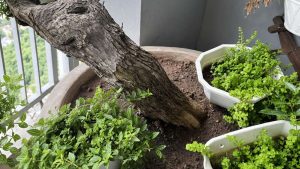
- Bonsai: Bougainvillea responds well to careful pruning and can be trained into attractive miniature forms. Container size, root pruning, branch selection, and controlled feeding all play a role in maintaining the desired shape.
Always wear gloves when pruning because many Bougainvillea varieties have sharp thorns. Long-handled pruning tools can also make it easier to work safely through dense growth.
How to Encourage More Blooms
A Bougainvillea that produces lots of leaves but very few colorful bracts is usually responding to its growing conditions. Before adding more fertilizer, take a closer look at light, watering, and pruning.
- Controlled watering: Once an established plant is healthy, allowing the soil to dry between thorough waterings can encourage flowering. Some experienced gardeners use mild water stress to promote blooming, but the plant should never be pushed to the point of severe or prolonged wilting. Young, newly planted, or heat-stressed plants should receive adequate water rather than being deliberately stressed.
- Prune at the right time: Trim excessive or unwanted shoots after a flowering flush to encourage fresh branching. Avoid constantly cutting back every new shoot because the plant needs healthy new growth for its next display.
- Provide enough sunlight: Six to eight hours of direct sunlight is a useful target. If a Bougainvillea receives only a few hours of weak sunlight, moving it to a brighter location may have a much greater effect than changing fertilizer.
Keep in mind that flowering can naturally slow during unfavorable weather. Temperature changes, excessive rain, transplant shock, and major pruning can all temporarily affect blooming.
Growing Bougainvillea in Containers
Bougainvillea is an excellent container plant when you want to control its size or grow it somewhere that planting directly in the ground is not practical. Containers also make it easier to move plants indoors or to a protected location in cooler climates.
- Choosing a pot: Use a container with generous drainage holes. Bougainvillea generally performs better when its roots are not sitting in a huge volume of constantly moist soil, so avoid choosing an unnecessarily large pot.
- Soil and watering: Use a loose, fast-draining potting mix amended with materials such as perlite or pumice. Water thoroughly when the upper portion of the mix has dried, then allow excess water to drain completely. The exact watering interval depends on temperature, pot size, wind, and sunlight.
- Special care: Check the drainage holes regularly and watch for roots that are circling densely inside the container. If the plant becomes severely root-bound or the potting mix breaks down and drains poorly, repotting may be necessary. In many situations, repotting every one to two years is sufficient, although fast-growing plants may need attention sooner.
Container-grown Bougainvillea also dries out much faster than plants growing in the ground. During hot summer weather, check the soil regularly rather than relying on a fixed watering schedule.
Common Problems
Bougainvillea is generally resilient, but poor growing conditions can quickly show up in the leaves and flowering performance.
- Leaf drop or yellow leaves: Overwatering, poor drainage, sudden environmental changes, or insufficient light can all contribute to yellowing and leaf drop. Check the soil moisture and drainage before assuming the plant needs more fertilizer.
- Lots of green growth but few flowers: Excess nitrogen, insufficient sunlight, frequent watering, or heavy pruning at the wrong time can reduce flowering. Move the plant into stronger light if possible and avoid excessive feeding.
- Pests and diseases: Mealybugs, spider mites, aphids, and leaf-eating insects may occasionally appear. Good air circulation and appropriate watering can help reduce plant stress. For minor infestations, physically removing pests or using a suitable horticultural soap or oil according to the product label can be effective.
If a pest problem keeps coming back, inspect the undersides of leaves, young shoots, and sheltered areas around the stems. Early detection is usually much easier to manage than a large infestation.
Propagation
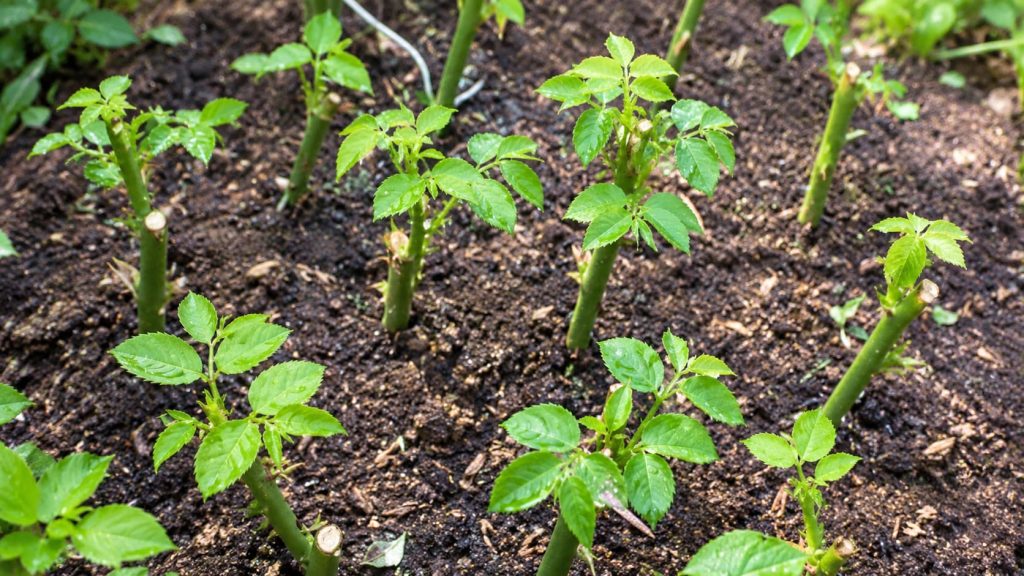
Stem cuttings are one of the most practical ways to propagate Bougainvillea. Success depends heavily on the health and maturity of the cutting, temperature, humidity, and growing medium.
- Stem cuttings:
- Select a healthy, disease-free branch and take a cutting roughly 6 to 8 inches long.
- Remove the lower leaves while keeping a few leaves near the top.
- Dip the lower end in rooting hormone if desired, following the product directions.
- Place the cutting into a clean, well-draining propagation medium such as a mixture containing perlite and coarse sand.
- Keep the medium lightly moist rather than saturated.
- Place the cutting somewhere warm with bright, indirect light and good humidity.
Rooting time varies considerably depending on conditions, so do not remove the cutting simply because roots have not appeared after a few weeks. Some cuttings may begin rooting within several weeks, while others can take longer. Once a strong root system has developed, gradually acclimate the new plant to brighter sunlight before moving it into its permanent location.
Final Thoughts
Bougainvillea rewards gardeners who understand one simple principle: give it plenty of sunlight without constantly keeping its roots wet. Once established, it can tolerate heat and dry conditions remarkably well while producing an impressive display of colorful bracts.
Whether you grow it against a wall, train it over an arch, shape it into a compact shrub, or keep it in a container, the basic care remains the same. Good drainage, strong sunlight, thoughtful watering, moderate feeding, and regular pruning are the foundation of a healthy plant. With the right conditions, Bougainvillea can provide years of vibrant color and become a striking focal point in almost any warm-climate garden.
Frequently Asked Questions About Bougainvillea
Q1: Is Bougainvillea easy to grow?
Yes. Bougainvillea is relatively easy to grow when given full sun, well-drained soil, and moderate watering.
Q2: How much sunlight does Bougainvillea need?
It needs at least 6–8 hours of direct sunlight daily for healthy growth and abundant flowering.
Q3: How often should I water Bougainvillea?
Water deeply when the soil has dried out, then allow excess water to drain completely. Avoid keeping the soil constantly wet.
Q4: Why is my Bougainvillea not flowering?
Insufficient sunlight, excessive nitrogen, frequent watering, or heavy pruning can reduce flowering.
Q5: Can Bougainvillea grow in containers?
Yes. It grows well in containers with good drainage, a fast-draining potting mix, and plenty of sunlight.