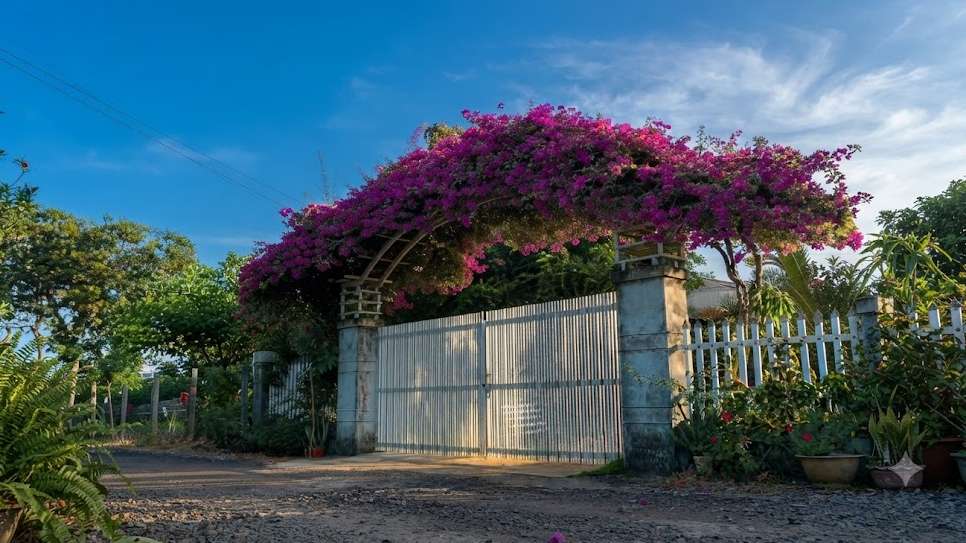
Bougainvillea is famous for its vibrant, paper-like bracts that can turn a garden, patio, or sunny wall into a spectacular display of color. Yet getting a Bougainvillea to bloom heavily can be frustrating, especially when the plant produces plenty of green growth but very few flowers.
The key is not complicated. Bougainvillea responds best to the right balance of sunlight, controlled watering, and carefully timed fertilization.
By allowing the soil to dry between deep waterings and avoiding excessive nitrogen, you can encourage stronger flowering and healthier growth throughout the season.
Understanding Bougainvillea Watering Needs
Bougainvillea is naturally drought-tolerant and generally prefers slightly dry conditions rather than constantly wet soil. One of the most common mistakes gardeners make is watering too frequently, especially when trying to help a plant grow faster.
Constant moisture can encourage vigorous leaf growth while reducing flowering. It can also create poorly aerated soil, increasing the risk of root problems. For this reason, a controlled dry period between waterings is an important part of growing a flowering Bougainvillea.
Use a Soak-and-Dry Approach
Instead of giving your plant small amounts of water every day, water deeply and then allow the soil to dry before watering again.
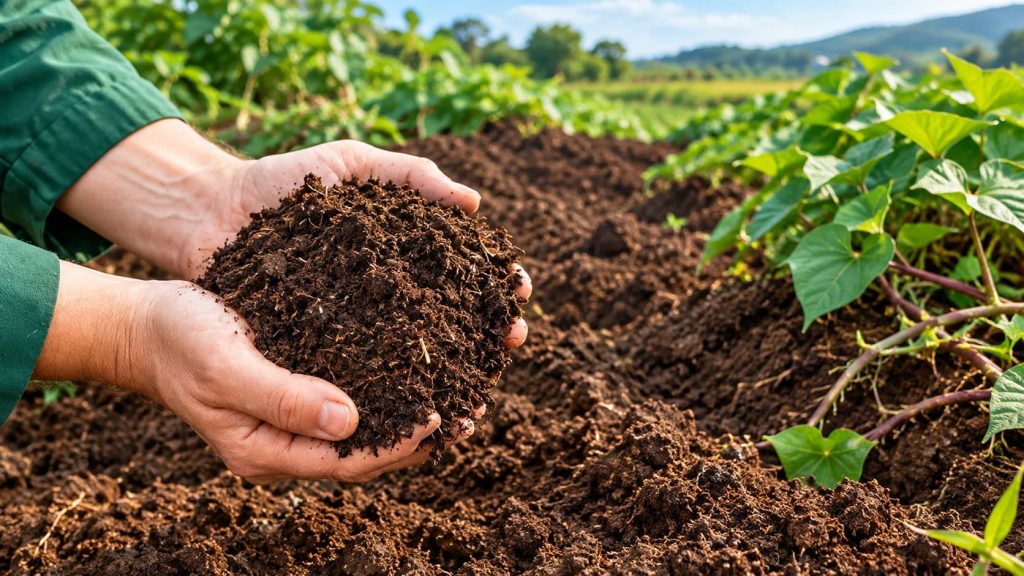
During the soaking phase, apply enough water to thoroughly moisten the root zone. For container-grown Bougainvillea, continue watering until excess water drains freely from the bottom of the pot. This helps wet the entire root ball rather than leaving dry pockets around the roots.
The drying phase is just as important. Do not water again simply because several days have passed. Check the soil first. Allow the upper few inches of soil to dry before giving the plant another deep watering.
A slight amount of leaf drooping can sometimes indicate that the plant is becoming thirsty, but do not allow it to remain severely wilted for extended periods. The goal is controlled dryness, not prolonged drought.
How Often Should You Water Bougainvillea?
There is no single watering schedule that works for every Bougainvillea. Temperature, rainfall, soil type, container size, humidity, and sunlight all affect how quickly the soil dries.
During the active growing and blooming season, plants growing in the ground may need a deep watering about every 7 to 10 days in dry conditions. Container plants often dry out faster and may need water every 4 to 6 days during periods of intense summer heat.
These are only general guidelines. Always check the soil before watering rather than following the calendar blindly.
During fall and winter, watering should usually be reduced, particularly when temperatures are cooler and the plant is growing more slowly. Allowing the soil to remain somewhat drier can help prevent excessive moisture around the roots.
For container plants, the lift test is particularly useful. A freshly watered pot will feel noticeably heavy, while a dry pot can feel surprisingly light. With experience, this simple method can help you judge when your Bougainvillea actually needs water.
Choosing the Right Fertilizer for Bougainvillea
Water management is only part of the equation. Bougainvillea also needs adequate nutrition to support healthy growth and repeated flowering.
When choosing a fertilizer, pay attention to the N-P-K numbers listed on the package. These represent nitrogen, phosphorus, and potassium.
Nitrogen primarily encourages leafy, green growth. Although Bougainvillea needs nitrogen, excessive amounts can produce a large, leafy plant with fewer blooms.
Phosphorus plays an important role in root development and reproductive growth, including flower and bud formation. Potassium supports overall plant function and helps with nutrient and water movement within the plant.
For flowering Bougainvillea, avoid heavily nitrogen-rich fertilizers. A fertilizer with relatively lower nitrogen and a moderate amount of phosphorus can be a practical choice. Products such as 10-30-10 or 5-15-10 are examples of bloom-oriented formulations, although the ideal fertilizer depends on the plant, soil, and growing conditions.
Organic amendments such as bone meal or rock phosphate may also be used in some gardens, but they should be applied according to the product label and soil conditions rather than automatically adding more nutrients.
When and How to Fertilize Bougainvillea
Bougainvillea generally benefits from regular feeding during active growth, particularly in spring and summer.
A common approach is to fertilize every 3 to 4 weeks with a suitable liquid or slow-release fertilizer. Liquid fertilizer should be applied to already moist soil rather than completely dry soil. This reduces the risk of concentrated fertilizer coming into direct contact with dry roots.
Slow-release granular fertilizer can be incorporated into the soil according to the manufacturer’s recommended rate. Water thoroughly after application so the nutrients can move into the root zone.
Avoid overfertilizing. More fertilizer does not necessarily mean more flowers. Excess nutrients can contribute to excessive vegetative growth or cause salt buildup in containers.
When growth naturally slows during the cooler months, reduce or stop fertilizing. Feeding a dormant or barely growing plant provides little benefit and can create unnecessary nutrient buildup in the soil.
Signs Your Bougainvillea Needs Attention
Your plant’s leaves and flowering behavior can provide useful clues about its growing conditions.
If your Bougainvillea produces lush green foliage but very few flowers, excessive nitrogen, insufficient sunlight, or consistently wet soil may be contributing factors. Review your watering habits and fertilizer program before adding more fertilizer.
Yellow leaves can have several causes. Poor drainage, excessive moisture, nutrient deficiencies, or unsuitable soil conditions may all contribute to yellowing. If the leaves show green veins while the tissue between the veins turns yellow, a micronutrient issue such as iron deficiency may be involved, particularly in alkaline soil.
Premature leaf drop combined with consistently wet soil can indicate overwatering or root stress. Check the drainage holes and allow the soil to dry appropriately between waterings.
Small, pale leaves and weak growth may indicate inadequate nutrition, poor light, root problems, or other growing stresses. Instead of immediately increasing fertilizer, first check sunlight, drainage, watering habits, and the condition of the roots.
Sunlight Matters as Much as Water and Fertilizer
Even the best watering and fertilizing routine cannot compensate for insufficient sunlight. Bougainvillea needs abundant direct light to produce strong flowering.
Aim for at least 6 hours of direct sunlight each day, with more light often supporting better flowering when other growing conditions are suitable. Plants grown in shade may produce attractive foliage but often struggle to deliver the heavy display of bracts gardeners expect.
If possible, place container-grown Bougainvillea where it receives several hours of unobstructed sun. For plants growing in the landscape, avoid locations where buildings, fences, or larger plants block sunlight for much of the day.
Final Thoughts
Getting Bougainvillea to bloom heavily is largely about creating the right growing conditions rather than simply adding more fertilizer. Give the plant plenty of direct sunlight, water deeply but allow the soil to dry between waterings, and use a balanced feeding program without excessive nitrogen.
Remember that watering frequency should change with the weather, soil, container size, and season. Instead of following a rigid schedule, learn to read the moisture level of the soil and the plant itself.
With consistent care, good drainage, strong sunlight, and thoughtful fertilization, Bougainvillea can produce an impressive display of colorful bracts throughout its active growing season. For a broader look at watering, pruning, sunlight, soil, propagation, and seasonal maintenance, see the Complete Bougainvillea Care Guide.