Growing a mango tree from a seed is a fun project for gardeners who enjoy starting plants from scratch. If you have eaten a Miyazaki mango and saved the seed, you may wonder whether you can turn it into a healthy mango tree at home.
The answer is yes, although growing a mango tree from seed requires patience. A seed-grown tree can take several years before it becomes mature enough to produce fruit. It is also important to understand that a tree grown from a Miyazaki mango seed may not produce fruit with exactly the same characteristics as the original mango.
Still, watching the seed develop into a young tree can be a rewarding gardening experience.
Start With a Fresh Mango Seed
The best place to start is with a fresh, healthy mango seed.
After eating the mango, carefully remove the hard outer husk from the seed. Inside the husk is the actual seed, which looks similar to a large bean.
Use a clean knife or scissors carefully around the edge of the husk. Avoid damaging the seed inside.
Once removed, inspect the seed. Choose one that looks fresh and healthy rather than dried out, shriveled, or showing signs of mold.
Fresh seeds generally have a better chance of germinating than seeds that have been stored for a long time.
Clean the Seed
Rinse the seed gently with clean water to remove remaining fruit flesh.
Any leftover fruit can encourage mold during germination, so cleaning the seed is worthwhile.
You do not need to use harsh chemicals or special treatments. Simply rinse it and gently pat it dry with a clean paper towel.
If the seed has a thin outer covering, handle it gently rather than scraping it aggressively.
Germinate the Mango Seed
There are several ways to germinate a mango seed. One simple method is to use a damp paper towel.
Wrap the clean seed in a slightly damp paper towel and place it inside a loosely closed plastic bag or container.
Keep it somewhere warm and out of direct sunlight.
Check the seed every few days. The paper towel should remain slightly moist but not soaking wet.
Within a few weeks, you may see a root beginning to emerge. Once the root is several inches long and the seed begins producing a shoot, it is ready to move into soil.
Another option is to plant the seed directly in a pot. However, starting it in a damp paper towel makes it easier to see whether the seed has successfully germinated.
Plant the Germinated Seed
Choose a container with drainage holes at the bottom.
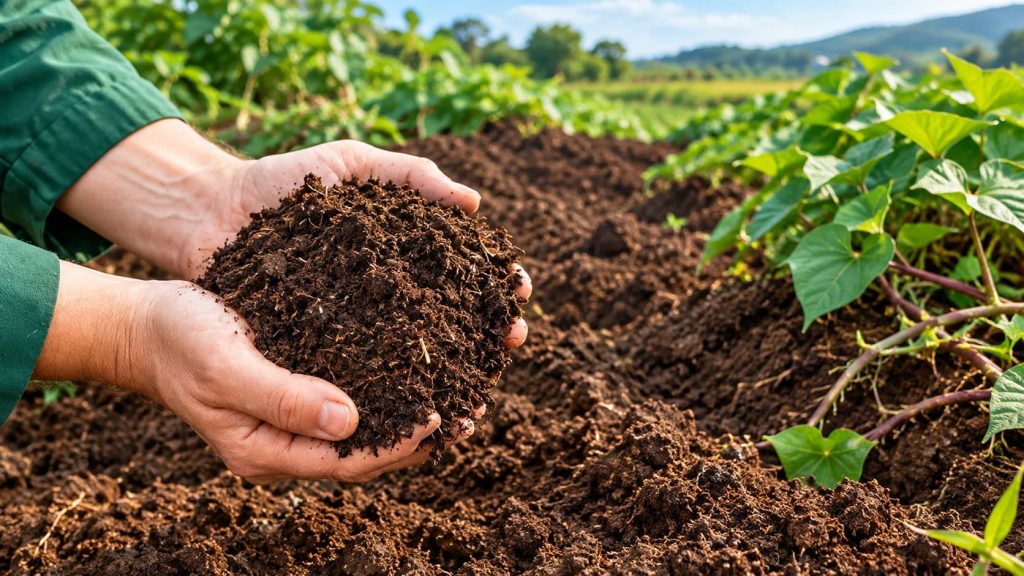
Fill it with a loose, well-draining potting mix. Mango roots need access to oxygen, so avoid heavy soil that stays wet for long periods.
Place the seed in the soil with the developing root pointing downward. Cover it lightly with soil while leaving enough room for the new shoot to grow upward.
Water gently after planting.
The soil should be moist but never constantly waterlogged.
Give the Young Mango Plenty of Light
Once the shoot appears, light becomes especially important.
Place the young mango tree in a bright location where it can receive plenty of sunlight.
If you are growing it indoors, a sunny window can work while the plant is young. As the tree develops, gradually exposing it to stronger outdoor sunlight can help prevent leaf scorch.
Warm temperatures are also important. Mango trees are tropical plants and do not tolerate freezing conditions.
If your climate has cold winters, keep the young plant protected indoors or in a suitable greenhouse.
Water Carefully
One of the easiest mistakes when growing mangoes from seed is overwatering.
Young mango plants need consistent moisture, but their roots should not remain in saturated soil.
Check the surface of the soil before watering again. If the upper layer has started to dry, water thoroughly and allow excess water to drain away.
A container without drainage holes can quickly become a problem, so make sure water can escape freely from the bottom.
As the plant becomes larger, its watering needs will change depending on temperature, sunlight, container size, and growing conditions.
When to Move the Tree Into a Larger Pot
A seed-grown mango can grow surprisingly quickly under warm, bright conditions.
When roots begin filling the container or the plant becomes too large for its current pot, move it into a slightly larger container.
Avoid jumping immediately into an extremely large pot. A container that is only moderately larger makes it easier to manage moisture and encourages steady root development.
Use fresh, well-draining potting soil when repotting and handle the root system gently.
Fertilizing a Young Mango Tree
Once the seedling is established and actively growing, it can benefit from regular feeding.
Use a balanced fertilizer suitable for fruit trees and follow the product instructions carefully.
Young mango trees do not need excessive fertilizer. Too much fertilizer can damage roots and encourage weak, overly vigorous growth.
Healthy sunlight, good drainage, proper watering, and warmth are just as important as fertilizer.
Will a Mango Grown From Seed Produce Miyazaki Mangoes?
This is one of the most important things to understand.
A mango grown from a seed taken from a Miyazaki mango may not produce fruit that is identical to the mango you originally ate.
Seed-grown plants can show genetic variation. The resulting tree may produce fruit with different size, flavor, color, texture, or harvest characteristics.
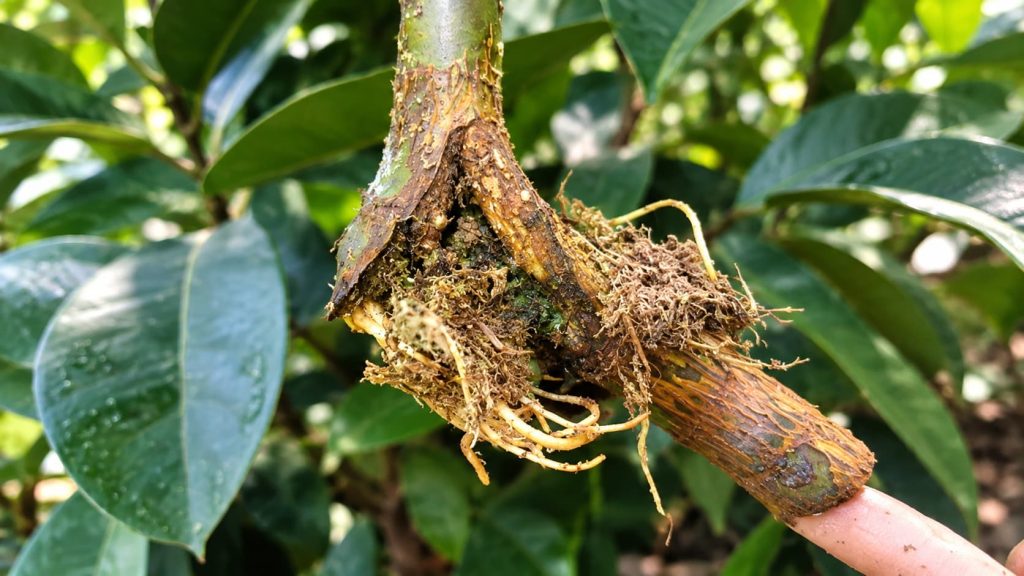
Commercial growers who want predictable fruit characteristics generally use selected planting material and grafting rather than relying entirely on seeds.
So, if your goal is simply to grow a mango tree and enjoy the gardening process, starting from seed is a great experiment. If your goal is to reproduce premium Miyazaki mango characteristics as closely as possible, a suitable grafted tree is usually a more reliable choice.
How Long Does It Take to Get Fruit?
Patience is essential when growing mangoes from seed.
A seed-grown mango tree can take several years to reach reproductive maturity, and the exact timing varies with climate, genetics, growing conditions, and tree health.
Some trees may take many years before producing their first meaningful crop.
This is considerably slower and less predictable than growing a grafted mango tree selected for earlier fruit production.
Final Thoughts
Growing a mango tree from a seed is a simple way to turn a leftover fruit seed into a long-term gardening project.
Start with a fresh seed, clean it carefully, provide warmth and moisture during germination, and move the young plant into well-draining soil once the root and shoot develop.
Give the tree plenty of sunlight and protect it from cold weather as it grows. Most importantly, be patient. A mango tree grown from seed needs time to mature.
Remember that the resulting tree may not produce mangoes identical to the original fruit. For home gardeners, however, the process of watching a tiny seed become a healthy mango tree can be just as rewarding as the eventual harvest.
If you want to learn more about growing a mango tree from a Miyazaki mango seed, our complete guide to Miyazaki mango from seed covers the process and what to expect as the tree develops.