Growing ginger using traditional soil-based methods often takes more time, requires more space, and can come with problems such as root rot and soil-borne fungal diseases. Growing ginger hydroponically, using a nutrient solution
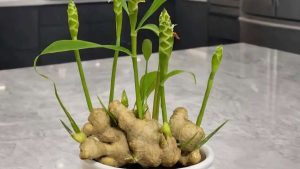
instead of soil, is a modern approach that helps make better use of limited space, gives you more control over moisture, and can reduce some soil-related problems while allowing you to grow fresh ginger at home.
1. Benefits of Growing Ginger Hydroponically
Space-saving: Hydroponic ginger is suitable for homes, balconies, rooftops, or small areas with enough natural light.
Faster growth: Because the plant has direct access to water and nutrients, the roots can develop efficiently and support healthy plant growth.
Clean and convenient: Without garden soil, you can avoid many of the common problems associated with soil, including weeds and certain soil-borne pathogens.
Easy to maintain: There is no need to prepare garden soil, remove weeds, or regularly dig and loosen the soil.
2. Materials and Supplies
To make the growing process easier, prepare the following materials and supplies:
Ginger rhizome:
Choose mature ginger that is at least 9–10 months old, with firm, thick skin and a solid feel. Avoid rhizomes that are rotten, badly bruised, or damaged.
The ginger should have several healthy buds, which are the small raised growth points found along the rhizome.
Hydroponic supplies:
Growing container: A glass jar, deep plastic container, or a dedicated hydroponic growing pot can work well.
Net pot or perforated basket: This helps hold the ginger above the water while allowing the roots to grow downward.
Growing medium: Coco coir, perlite, or lightweight clay pebbles can be used to support the ginger and keep the young shoots stable.
Hydroponic nutrient solution: Use a nutrient solution designed for edible plants, following the dilution instructions on the product label.
Clean water: Tap water that has been left to sit overnight or clean rainwater can be used, depending on your local water quality.
3. Step-by-Step Guide to Growing Ginger Hydroponically
Step 1: Sprout the Ginger Rhizome
Ginger should not be placed directly into a hydroponic nutrient solution before it has developed shoots and roots because the rhizome can easily rot when kept too wet.
Prepare the ginger: Cut the ginger into smaller sections about 1–2 inches long, making sure each section has at least one or two healthy buds. Soak the pieces briefly in clean water or a mild lime-water solution, then allow them to dry.
Sprout the ginger: Wrap the ginger pieces in a damp cloth or place them in slightly moist coco coir. Keep them in a dark, well-ventilated location. Lightly moisten the material as needed to keep it from drying out.
Expected result: After about 7–14 days, the buds may begin to emerge as white or pale green shoots, while small new roots start to develop.
Step 2: Prepare the Hydroponic System
Place the net pot securely over the opening of the container.
Add a 1-inch layer of growing medium, such as perlite or lightweight clay pebbles, to the bottom of the net pot to create a stable base.
Step 3: Place the Ginger in the Net Pot
Carefully place the sprouted ginger on top of the growing medium. Make sure the buds face upward and the developing roots point downward.
Add a little more growing medium around the ginger to hold it securely in place without damaging the young shoots.
Important: Do not bury the entire ginger rhizome too deeply in the growing medium. Keep the emerging shoots above the surface and make sure the rhizome itself is not completely submerged.
Step 4: Add Water and Nutrient Solution
Early stage — newly developing roots:
Start with clean water while the young roots are developing. The water level should reach the bottom of the net pot or just reach the young roots. Do not completely submerge the ginger rhizome, as excessive moisture can cause it to rot.
Active growth stage — after green leaves appear:
Once the ginger has developed healthy green leaves and a stronger root system, you can begin using a hydroponic nutrient solution. Mix the nutrients according to the instructions on the product label and keep the solution at a level where the roots can access it.
4. Daily Care for Hydroponic Ginger
Light:
Ginger prefers partial shade or bright, filtered light. Provide around 4–6 hours of gentle natural light each day. A bright window, balcony, or lightly shaded outdoor area can work well. Avoid intense direct sunlight that can heat the water and stress the roots.
Temperature and humidity:
Keep the growing environment around 68–86°F. Good airflow is also important, especially in warm and humid conditions.
Changing the nutrient solution:
Replace the nutrient solution regularly, generally every 7–10 days depending on the system and nutrient product. This helps prevent excessive salt buildup and keeps the growing environment cleaner.
Checking the roots:
Whenever you change the water or nutrient solution, inspect the roots. If you find dark, soft, or rotten roots, remove the damaged sections with clean scissors and rinse the healthy roots gently.
Nutrient strength:
As the plant becomes larger and begins developing new rhizomes, its nutrient needs may increase. Instead of following a fixed PPM number for every fertilizer, adjust the concentration according to the nutrient manufacturer’s instructions and the plant’s growth stage.
5. Important Tips to Avoid Problems
Rhizome rot:
One of the main causes of ginger rot in a hydroponic setup is keeping the entire rhizome submerged. Make sure only the roots have regular access to the nutrient solution while the ginger rhizome remains above the water.
Algae growth:
Direct sunlight entering a clear glass container can encourage green algae to grow. Algae can compete for nutrients and make the system harder to maintain. Using a dark-colored container or covering the outside of a clear container can help block light.
Low oxygen levels:
The roots need oxygen as well as water. In systems where the roots remain continuously submerged, an air pump and air stone can help improve oxygen levels. Good circulation and a clean reservoir also help maintain healthier roots.
6. Harvesting Hydroponic Ginger
Harvesting time:
Ginger can be harvested at different stages depending on how you plan to use it. Young ginger can be harvested earlier for its tender texture and milder flavor, while mature ginger needs more time to develop larger, firmer rhizomes.
Signs of maturity:
As the plant approaches maturity, the leaves may begin turning yellow and the above-ground growth may gradually dry back. These are natural signs that the rhizomes are reaching the end of their growing cycle.
How to harvest:
Remove the net pot from the container and gently loosen the growing medium around the rhizomes. Separate the mature rhizomes carefully without damaging healthy roots or remaining growth points.
If you want to learn more about choosing healthy planting pieces, caring for ginger, harvesting mature rhizomes, and using fresh ginger at home, check out our guide to ginger growing and harvesting tips for more practical advice.
Growing ginger hydroponically at home can provide fresh ginger for your kitchen while also creating an interesting green feature for your living space. With the right container, adequate light, clean water, proper nutrients, and good root oxygenation, even a small hydroponic setup can be an enjoyable way to grow ginger at home.