Japanese cherry blossom trees are famous around the world for their beautiful spring flowers. But there is not just one type of Japanese cherry tree.
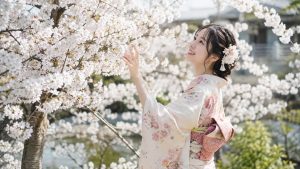
Walk through a Japanese garden, an American park, or a flowering tree collection, and you may notice that some cherry trees have pale pink flowers while others are white or deep pink. Some have simple flowers with a few petals, while others have full, layered blooms that almost look like small roses.
These differences come from the many species, cultivars, and hybrids that are grown as ornamental cherry trees.
If you are thinking about planting one in your garden, learning about the different types can help you choose a tree that fits your landscape.
Yoshino Cherry
The Yoshino cherry is probably one of the most recognizable flowering cherry trees.
Its scientific name is Prunus × yedoensis, and it is especially famous for the beautiful displays around Washington, D.C.
Yoshino cherries produce fragrant flowers that are usually white or pale pink. The flowers often appear before or around the time the leaves emerge, creating a soft, almost cloud-like appearance when many trees are planted together.
Yoshino cherry trees can become fairly large, often reaching around 30 to 40 feet tall depending on growing conditions and cultivar.
They are especially attractive when planted along streets, beside ponds, or in groups where their spring flowers can create a dramatic landscape.
Kwanzan Cherry
If you prefer a fuller pink flower, the Kwanzan cherry is a beautiful option.
Also known as ‘Kanzan’, this tree produces large, double flowers that can appear almost rose-like. The blooms are typically a rich pink and are one of the reasons this cultivar is so popular with gardeners.
Kwanzan cherries generally have an upright, vase-shaped growth habit when young and can develop a broader form as they mature.
Unlike Yoshino cherry, the flowers are fuller and more layered, giving the tree a completely different appearance.
For someone who wants a strong splash of pink in the spring garden, Kwanzan is an excellent choice.
Higan Cherry
Higan cherry is another important flowering cherry that gardeners should know.
It includes several forms and cultivars, and it is known for being relatively adaptable compared with some other ornamental cherries.
Some Higan cherries can tolerate a wider range of conditions, including heat and cold.
They can also develop attractive forms that make them useful as specimen trees in home landscapes.
Depending on the cultivar, flowers may be white or pink and can be single or semi-double.
Because Higan cherries can have different growth habits, gardeners should check the specific cultivar before planting.
Weeping Higan Cherry
The weeping form of Higan cherry is especially popular in ornamental gardens.
Instead of growing upward with a traditional branching structure, its branches gracefully curve downward toward the ground.
When the branches are covered with flowers in spring, the tree can look almost like a pink or white waterfall.
This type works especially well as a focal point.
A single weeping cherry planted beside a lawn, pond, walkway, or garden entrance can create a beautiful visual centerpiece.
It also provides a different shape from the upright flowering cherries commonly seen in parks.
Shirotae Cherry
Shirotae is known for its elegant white flowers.
The flowers are relatively large and have a soft, graceful appearance. The tree can develop a broad, spreading shape as it matures.
For gardeners who prefer white flowers instead of traditional pink, Shirotae can bring a peaceful appearance to the landscape.
Its wide canopy can also create an attractive silhouette after the flowers have finished.
Autumn Flowering Cherry
Not every flowering cherry saves all of its flowers for spring.
Some cultivars of Higan cherry are known for flowering intermittently during fall and winter in mild climates, as well as producing a more substantial spring display.
This can make them especially interesting for gardeners who enjoy seasonal changes.
However, flowering outside the normal spring season depends heavily on climate and weather.
You should not expect a tree to bloom continuously throughout the year.
Japanese Cherry Blossom Varieties Are More Diverse Than You Might Think
When people hear the words Japanese Cherry Blossom varieties, they often imagine one classic tree covered with pale pink flowers.
In reality, ornamental cherries offer a wide range of flower colors, petal forms, sizes, growth habits, and flowering times.
Some varieties are compact enough for smaller landscapes, while others eventually become large trees.
Some have upright branches.
Others have spreading canopies.
And weeping varieties create an entirely different appearance.
This diversity is one reason cherry blossoms have become so popular outside Japan.
How Long Do Japanese Cherry Blossom Trees Live?
This is one of the most important questions for gardeners.
Many people assume that a flowering cherry tree will live for many decades simply because they have seen photographs of enormous old cherry trees.
The reality is more complicated.
Japanese flowering cherries are often considered relatively short-lived ornamental trees compared with some long-lived shade trees.
For example, North Carolina State University Extension lists an average lifespan of approximately 15 to 20 years for Prunus serrulata, although individual trees can vary significantly depending on cultivar, climate, soil, pests, diseases, and overall care.
Other flowering cherry types can have different lifespans.
A tree growing in an excellent location with proper care may remain attractive longer, while a tree exposed to poor drainage, severe weather, pests, or repeated stress may decline much sooner.
Why Do Some Cherry Trees Have Short Lifespans?
Several factors can influence the longevity of ornamental cherry trees.
One important factor is stress.
Trees growing in poorly drained soil may struggle with root problems. Trees planted in unsuitable climates may experience repeated environmental stress.
Pests and diseases can also weaken a tree over time.
Physical damage is another concern.
Mowers, string trimmers, vehicles, construction work, and careless pruning can damage bark or roots. Repeated injuries can create opportunities for pests and pathogens to enter.
This is why good planting and regular observation matter so much.
Can a Cherry Tree Live Longer With Good Care?
Good care can certainly help a tree remain healthy and productive, although it cannot guarantee a specific lifespan.
Start with the right location.
Give the tree sufficient sunlight and well-drained soil. Water appropriately, particularly while the tree is becoming established.
Avoid excessive fertilizer and unnecessary pruning.
Protect the trunk and root zone from mechanical damage.
Most importantly, pay attention to changes in the tree.
A small problem noticed early can sometimes be much easier to manage than a serious decline discovered years later.
Choosing the Right Cherry Tree for Your Garden
The best cherry tree is not necessarily the one with the most beautiful photograph online.
Think about your actual garden.
How much space do you have?
How much sunlight does the location receive?
What USDA hardiness zone do you live in?
Do you prefer white flowers, pale pink flowers, or deeper pink blooms?
Would an upright tree work better, or would a weeping form make a better focal point?
These questions can help narrow down your choices.
Also consider the mature size of the tree.
Planting a large-growing cherry tree beneath power lines or too close to a house can create problems later.
A Cherry Tree Can Become Part of Your Garden’s Story
Even though some Japanese flowering cherries are not extremely long-lived, they can have an enormous impact during their time in the landscape.
A young tree may begin as a simple addition to the garden.
Then spring arrives.
The first flowers appear.
A few years later, the canopy becomes larger, and the spring display becomes something the whole family looks forward to.
Eventually, the tree may become connected with memories of birthdays, family photographs, quiet mornings, or spring afternoons.
That is one reason gardeners often become emotionally attached to flowering trees.
Their value is not measured only by how many years they survive.
It is also measured by how many memories they create.
Which Type Should You Choose?
If you want pale pink or white flowers and a classic spring appearance, Yoshino cherry is an excellent choice.
If you love large, double pink flowers, Kwanzan may be more appealing.
If you want a graceful weeping form, look into weeping Higan cultivars.
For white flowers and a broad, elegant canopy, Shirotae can be an attractive option.
And if adaptability is particularly important, Higan cherry types may be worth considering.
Always check the specific cultivar’s mature size and hardiness before purchasing.
Final Thoughts
Japanese cherry blossom trees come in far more forms than many people realize.
Some create clouds of delicate white flowers. Others produce deep pink, double blooms. Some grow upright, while others gracefully weep toward the ground.
Their lifespans can also vary, and many ornamental cherries are relatively short-lived compared with large shade trees.
But perhaps that is part of what makes them so special.
They do not need to stand for hundreds of years to leave a lasting impression.
For a few weeks every spring, a flowering cherry can transform an ordinary garden into something unforgettable.
And year after year, while the tree is healthy, those flowers can become a little reminder to slow down, look up, and appreciate the season.