Growing lotus is rewarding, especially when the beautiful flowers turn into seed pods at the end of the blooming season. Inside those pods are mature lotus seeds that can be collected, dried, and stored for later use.
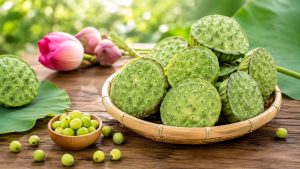
If you have never harvested lotus seeds before, the process is easier than it may seem. The main things to watch are the maturity of the seed pods, proper drying, and keeping moisture away during storage. In this guide, I’ll share a simple way to harvest and store lotus seeds, along with how to handle the small green embryo found inside each mature seed.
When to Harvest Lotus Seeds
The best time to harvest lotus seeds is after the flowers have finished blooming and the seed pods have had enough time to mature.
Young lotus seed pods are usually green and contain soft, immature seeds. As the pod develops, it becomes larger and gradually changes from green to yellowish or brown. The pod may also begin to dry as it approaches maturity.
A mature lotus seed should feel firm and have a hard outer shell. If the seeds are still soft or easily crushed, they need more time to develop.
Waiting until the seeds are fully mature makes harvesting, drying, and storage much easier. Immature seeds contain more moisture and generally do not store as well.
How to Harvest Lotus Seeds
Harvesting lotus seed pods does not require complicated equipment. A pair of clean scissors or pruning shears is usually enough.
Start by selecting seed pods that have fully developed and begun to dry. Cut the pod from the plant carefully, leaving enough stem to handle it easily.
Place the harvested pods in a clean basket, tray, or container. If the pods are already quite dry, handle them gently because some seeds may loosen and fall out.
Remove the seeds from the pod by hand. Mature seeds usually separate from the dried pod fairly easily. Pick out pieces of plant material and discard any seeds that are cracked, soft, badly damaged, or showing signs of mold.
Working over a tray or bowl is helpful because it keeps the seeds together and makes cleanup easier.
How to Dry Lotus Seeds Before Storage
Proper drying is one of the most important steps when storing freshly harvested lotus seeds. Fresh seeds contain moisture, so they should not immediately be sealed in an airtight container for long-term storage.
Spread the seeds in a single layer on a clean, dry tray. Place the tray somewhere protected from rain and excessive humidity with plenty of natural airflow.
Turn the seeds occasionally so different sides are exposed to the air. Avoid piling them into a deep container while they are still moist because trapped moisture can encourage mold.
Drying time depends on the weather, humidity, and moisture level of the seeds. Instead of relying on a fixed number of days, check the seeds themselves. They should feel hard and completely dry before being placed into sealed storage.
What Is the Lotus Seed Embryo?
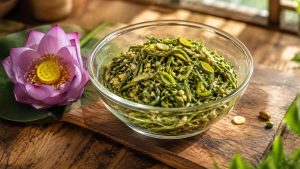
When you open a mature lotus seed, you may find a small green structure inside. This is the lotus seed embryo, commonly known as the lotus seed heart or lotus heart.
The embryo is naturally bitter, which is why it is often removed when lotus seeds are prepared for culinary use. If you are simply storing whole dried lotus seeds, however, there is no need to remove the embryo.
If you want to separate it, carefully crack open the hard outer shell and split the seed. The small green embryo can then be removed gently with a clean knife or tweezers.
Because the embryo is small and delicate, take your time during this step. Avoid crushing it if you plan to dry and store the embryos separately.
How to Dry Lotus Seed Embryos
If you decide to keep lotus seed embryos separately, they should also be dried thoroughly before storage.
Place the embryos on a clean, dry surface in a single layer. Keep them somewhere dry with good airflow and protect them from humidity, rain, and direct moisture.
Once the embryos are completely dry, place them in a clean airtight container. A small glass jar or food-safe container works well for keeping moisture out.
Store the container in a cool, dry, dark location. If your climate is particularly humid, refrigeration can provide an additional storage option as long as the container remains tightly sealed.
How to Store Dried Lotus Seeds
Once your lotus seeds are completely dry, storing them is relatively simple. The goal is to protect them from moisture, heat, light, and insects.
For short-term storage, place the dried seeds in an airtight glass jar or another clean, food-safe container. Keep the container in a cool, dry, dark area away from direct sunlight.
If you live in a humid climate, refrigeration may be useful for longer storage. Always use a tightly sealed container because dried seeds can absorb moisture and odors from the refrigerator.
It is also helpful to divide a large harvest into smaller portions. This way, you only open the amount you need instead of repeatedly exposing the entire batch to air.
Can You Freeze Lotus Seeds?
Freezing is another option for storing properly dried lotus seeds for longer periods.
Before freezing, make sure the seeds are completely dry. Place them in an airtight freezer-safe container or bag and label it with the storage date.
Dividing the seeds into smaller portions makes them easier to use later. It also reduces the number of times the entire harvest is exposed to changes in temperature and humidity.
When removing stored seeds from the freezer, keep them protected from condensation. Moisture collecting on the seeds can reduce their storage quality.
How to Store Lotus Seed Embryos
Lotus seed embryos are smaller and more delicate than whole lotus seeds, so keeping them dry is especially important.
After the embryos have been thoroughly dried, place them in a small airtight container. Keep the container away from heat, sunlight, and humid areas.
For longer storage, a sealed container can be kept in the refrigerator. Make sure the container is tightly closed before placing it inside so the embryos do not absorb moisture or food odors.
Adding the storage date to the container is a simple habit that makes it easier to keep track of an older harvest.
How to Tell If Lotus Seeds Have Gone Bad
Always inspect stored lotus seeds before using them. A quick visual and smell check can help identify seeds that are no longer in good condition.
Discard seeds with visible mold, unusual discoloration, insect damage, or an unpleasant odor. Seeds that have become damp, unusually soft, or sticky should also not be used.
Check lotus seed embryos in the same way. If they develop mold, an unusual smell, or other obvious signs of spoilage, it is safer to discard them.
Good storage starts with completely dry seeds and clean containers. If moisture gets into the container, inspect the entire batch carefully before using it.
Tips for Better Lotus Seed Storage
A few simple habits can make a big difference when storing a homegrown lotus seed harvest:
- Harvest seed pods only after the seeds have fully matured.
- Remove soft, cracked, damaged, or moldy seeds before storage.
- Dry the seeds completely before placing them in an airtight container.
- Use clean, food-safe containers with tight-fitting lids.
- Keep stored seeds away from moisture, heat, and direct sunlight.
- Use smaller storage portions if you plan to use the seeds gradually.
- Label containers with the harvest or storage date.
- Check stored seeds occasionally for moisture or signs of spoilage.
Final Thoughts
Harvesting and storing lotus seeds is a simple way to make more use of your lotus plant after the flowers have finished blooming. The most important part is knowing when the seed pods are mature and giving the seeds enough time to dry properly.
You can store the seeds whole or carefully remove the small green lotus seed embryos and keep them separately. Whichever method you choose, clean containers, low humidity, and proper drying are the keys to better storage.
Once you become familiar with the appearance of mature lotus seed pods, harvesting them becomes a straightforward part of growing lotus. If you want to learn more about this beautiful aquatic plant, you can also explore our complete Lotus Flower guide.