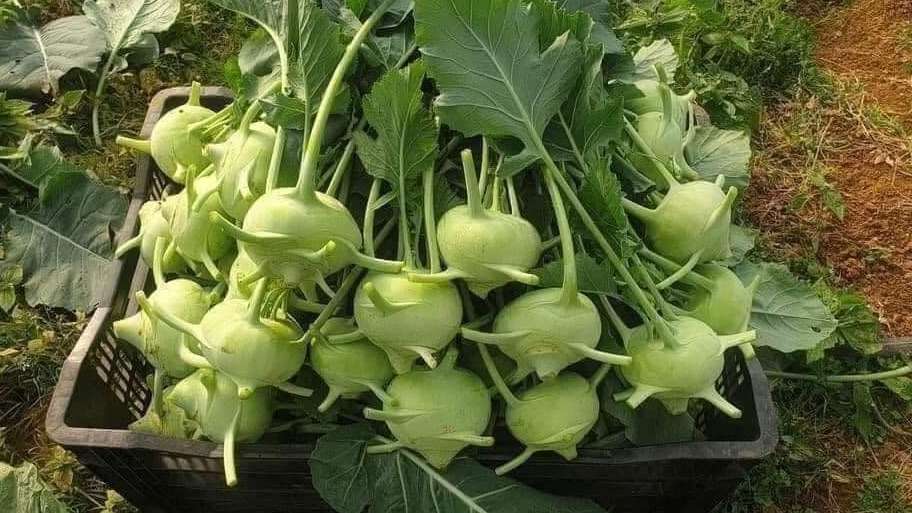
Kale pests and problems are something almost every gardener will deal with at some point. Kale is generally easy to grow, but its soft leaves can attract insects, especially when plants are young.
The good news is that most problems are easier to handle when you notice them early. A quick check of the leaves a few times a week can help you catch trouble before it spreads.
Aphids on Kale
Aphids are tiny insects that often gather on the undersides of kale leaves and around new growth.
They can be green, gray, black, or other colors depending on the species. You may notice curled leaves, sticky residue, or clusters of tiny insects.
For a small infestation, spray the affected leaves with a gentle stream of water. This can knock many aphids off the plant.
You can also remove heavily affected leaves if necessary. Avoid using strong treatments unless the infestation is serious.
Encouraging beneficial insects such as lady beetles can also help keep aphid populations under control.
Caterpillars Eating Kale Leaves
Caterpillars are some of the most common pests found on kale.
They can chew irregular holes through the leaves and sometimes leave behind dark droppings. If several caterpillars are feeding on the same plant, the damage can become noticeable very quickly.
Check both sides of the leaves and around the center of the plant.
For a small garden, hand-picking caterpillars is often one of the simplest solutions. You can also use a row cover to prevent some adult butterflies and moths from reaching the plants.
Check your plants regularly because caterpillars can become much harder to manage once their numbers increase.
Flea Beetles
Flea beetles are tiny insects that can leave many small holes in kale leaves.
The damage can look like someone has sprinkled the leaves with tiny pinholes. Young seedlings are especially vulnerable.
Keeping plants healthy and protecting young kale with a lightweight row cover can reduce damage.
Remove weeds around the garden because some pests can use weeds as hiding places or alternate hosts.
Cabbage Worms
Cabbage worms can cause serious leaf damage if they are left alone.
They are often green and can be difficult to spot because they blend into the leaves.
Look carefully along the stems, leaf veins, and undersides of the leaves.
If you only have a few plants, checking them by hand every few days can make a big difference. Remove visible worms and damaged leaves as needed.
Row covers are another useful option for keeping adult butterflies from laying eggs on the plants.
Slugs and Snails
Slugs and snails may become a problem when the garden stays damp.
They often feed at night and can leave irregular holes in the leaves. You may also notice a shiny trail on or around the plant.
Keeping the area around kale clean and avoiding excessive moisture can make the garden less attractive to them.
Check plants in the evening or early morning when slugs are more active.
Powdery Mildew
Not every kale problem is caused by insects.
Powdery mildew is a fungal disease that can appear as a white, powdery coating on the leaves.
It is more likely to develop when plants have poor airflow or conditions are favorable for the disease.
Give kale enough space when planting and avoid crowding the plants.
Water the soil around the base instead of constantly wetting the foliage. Remove badly affected leaves and keep fallen plant material cleaned up.
Downy Mildew
Downy mildew can cause pale or yellowish areas on the upper surface of leaves, while the underside may develop a fuzzy or grayish growth.
Cool, damp conditions can encourage this disease.
Good spacing and airflow are important. Water at the base of the plants when possible and remove heavily affected leaves.
If the problem continues year after year, rotating crops can help reduce disease pressure in the garden.
Yellow Kale Leaves
Seeing yellow leaves does not always mean your kale has a disease.
Several things can cause yellowing, including overwatering, poor drainage, nutrient problems, or simply older leaves reaching the end of their useful life.
Start by checking the soil.
If the soil stays wet for days, drainage may be the problem. If the soil is extremely dry, the plant may need more consistent watering.
Also look closely for insects hiding underneath the leaves.
Try to identify the cause before adding fertilizer or other treatments.
Holes in Kale Leaves
Small holes are usually a sign that something has been eating the leaves.
Check for caterpillars, flea beetles, slugs, and other insects.
Do not immediately assume the plant has a disease. Look closely at the leaves, stems, and soil around the plant.
If you find only a few damaged leaves, the plant can often continue growing without much trouble.
The important thing is to find the pest responsible and prevent the damage from getting worse.
Kale Wilting
Kale may wilt when it does not have enough water, especially during warm weather.
However, wilting can also be related to root problems or damaged roots.
Check the soil first. If it is dry several inches down, water the plant thoroughly.
If the soil is already wet and the plant continues to wilt, inspect the roots and surrounding soil for signs of trouble.
Good drainage is especially important because kale roots do not like sitting in constantly saturated soil.
Bolting in Kale
Bolting is different from a pest or disease problem.
When temperatures become too warm or plants experience other forms of stress, kale may begin producing a flower stalk.
Once kale bolts, the leaves may become tougher and stronger in flavor.
This is one reason kale is best grown during cool parts of the year.
If a plant starts bolting, you can harvest the remaining leaves and decide whether to let it flower or remove it and plant a new crop.
How to Prevent Kale Problems
Prevention is often easier than treatment.
Start with healthy seeds or transplants and choose a growing location with good sunlight and drainage.
Give plants enough space for air to move between them. Water consistently without keeping the soil constantly wet.
Remove weeds and dead plant material from around the garden.
Crop rotation can also help. Avoid planting kale and other members of the cabbage family in exactly the same location year after year.
Most importantly, inspect your plants regularly.
A Simple Weekly Kale Check
You do not need to spend hours inspecting your garden.
Once or twice a week, take a few minutes to check:
- The undersides of leaves
- New growth
- Small holes or chewed edges
- Yellow or spotted leaves
- Caterpillars and eggs
- Aphids or clusters of insects
- Signs of mildew
- Soil moisture
Finding a problem when it is small is much easier than trying to rescue a badly damaged plant later.
Final Thoughts
Most kale pests and problems can be managed with simple garden habits. Regular inspections, good airflow, healthy soil, proper watering, and clean garden beds can prevent many common issues.
When you notice damaged leaves, take a moment to look closely before treating the plant. The pattern of the damage can often tell you whether you are dealing with insects, disease, watering problems, or environmental stress.
With a little attention, even a kale plant that has suffered some damage can often continue growing and provide a worthwhile harvest.