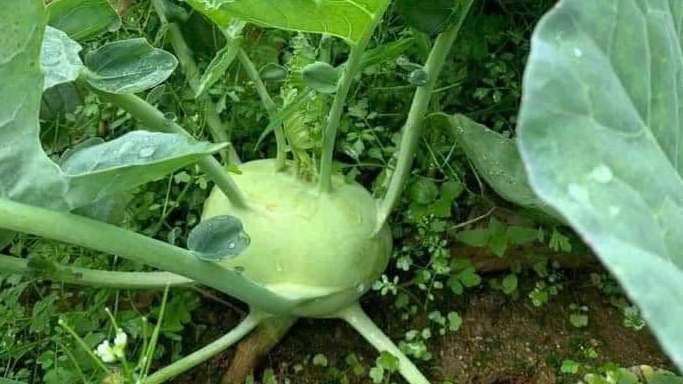
Kohlrabi might look like an alien visitor with its swollen, above-ground stem, but don’t let its eccentric appearance fool you. This quirky member of the brassica family is remarkably easy to grow, delightfully crisp, and intensely sweet. Whether you love it sliced raw into slaws, julienned into salads, or roasted until caramelized, having a fresh harvest right from your backyard is deeply rewarding.
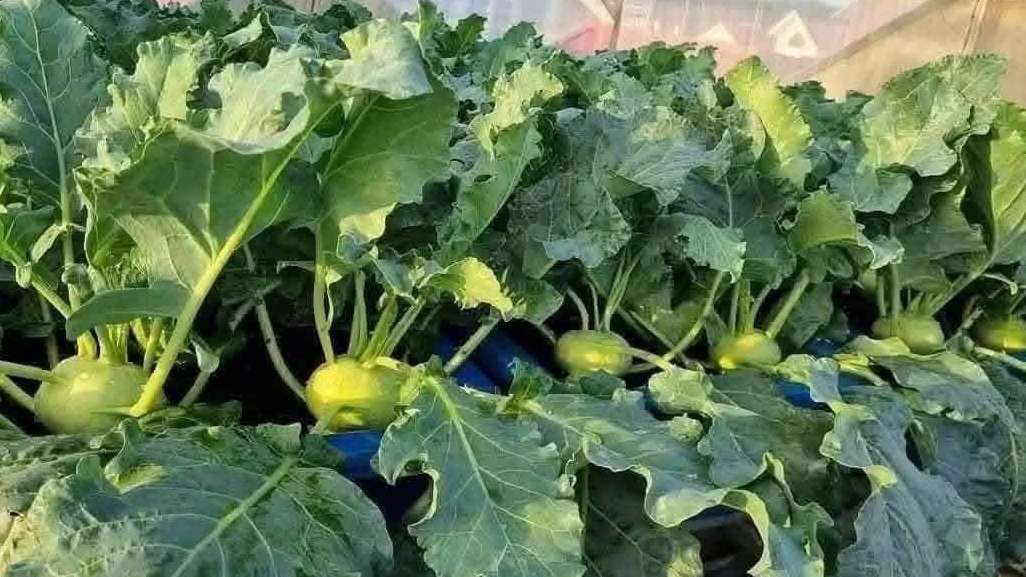
Learn more about this crisp brassica family member in our comprehensive kohlrabi overview.
Understanding Kohlrabi Growing Stages
To master how to grow kohlrabi, it helps immensely to understand its life cycle. Kohlrabi is a cool-season cruciferous vegetable that matures rapidly compared to other brassicas like cabbage, broccoli, or cauliflower. Knowing what to expect at each phase ensures you can provide the right care at the right time.
- Germination (Days 1–7): Seeds sprout quickly in cool, moist soil, pushing up vibrant green cotyledons. During this phase, make sure they get plenty of light to prevent them from becoming leggy.
- Leaf Development (Weeks 2–4): The plant focuses its energy on growing a lush rosette of nutrient-gathering leaves, which capture sunlight to fuel the upcoming growth spurt.
- Bulbing Stage (Weeks 5–8): This is the magic phase when the base of the stem swells right above the soil line into the signature globe shape. Keep moisture steady during this stage.
- Harvest Ready (Weeks 8–10): Bulbs reach peak tenderness and flavor, typically when they are between 2 and 3 inches in diameter.
Planting Kohlrabi in Spring and Fall
Because kohlrabi thrives in cooler weather, timing your planting is the ultimate secret to avoiding woody, bitter bulbs. Extreme summer heat can stress the plant, causing it to bolt prematurely or develop tough, fibrous flesh.
- Spring Crop Timing: Start seeds indoors 4 to 6 weeks before your last expected spring frost date, or direct sow seeds into the garden as soon as the soil can be worked.
- Fall Crop Timing: Direct sow seeds about 6 to 8 weeks before your anticipated first autumn frost. Fall-grown kohlrabi often tastes sweeter because cool autumn nights help concentrate sugars in the plant.
- Soil Preparation and Sowing Depth: Plant seeds roughly 1/4 inch deep. If direct sowing, space seeds about 2 inches apart, then thin the seedlings later to 4 to 6 inches apart in rows spaced 12 inches apart. This gives each bulb enough room to expand without competing for nutrients.
Essential Kohlrabi Care Tips
Providing the right growing conditions keeps your plants stress-free, helping them produce juicy, tender bulbs instead of tough, stringy ones. Here are the cornerstone kohlrabi care tips every gardener should follow:
- Rich, Well-Draining Soil: Kohlrabi loves fertile soil packed with organic matter, with an ideal pH between 6.0 and 7.5. Mix in a generous amount of aged compost or well-rotted manure before planting to improve soil fertility and nutrient availability.
- Consistent Watering: Keep the soil evenly moist throughout the growing season. Irregular watering—such as letting the soil dry out completely and then soaking it heavily—can cause rapidly swelling bulbs to crack or split.
- Sunlight Requirements: Make sure your planting area receives at least 6 hours of direct sunlight each day. Kohlrabi can tolerate partial shade, but plenty of sunlight helps it grow strongly.
- Pest and Weed Management: Watch for common brassica pests such as cabbage loopers, imported cabbageworms, and flea beetles. Floating row covers can help protect young plants during the early stages of growth. Keep the garden bed weed-free as well, since kohlrabi has relatively shallow roots and does not compete well for water and nutrients.
Harvesting and Storing Your Kohlrabi
Timing your harvest is just as important as timing your planting. If you leave kohlrabi in the ground too long, its texture can change from crisp and juicy to woody and fibrous.
- When to Pick: Harvest when the bulbs reach the size of a golf ball to a tennis ball, about 2 to 3 inches in diameter. Some larger varieties can grow bigger without losing quality, but standard varieties are usually best harvested while still young.
- How to Harvest: Use a sharp garden knife or pruners to cut the stem just below the bulb. Remove the large outer leaves, but save the tender inner leaves if you like—they can be cooked much like collard greens or kale.
- Storage Tips: Store fresh kohlrabi in a perforated plastic bag in the refrigerator crisper drawer. Unwashed bulbs can easily last for 2 to 4 weeks while retaining their crisp texture and mild, turnip-cabbage flavor.
Pro Tip: Don’t wait too long to harvest! If kohlrabi bulbs grow much larger than a tennis ball, the inner core can become woody, hollow, and fibrous, which can significantly reduce their quality and texture.
Are you planning to grow your kohlrabi in a traditional garden bed or in containers this season?