If you are thinking about growing pandan at home, one of the first questions you may have is how long the plant will actually last.
The good news is that a healthy Pandan plant can stay productive for many years when it is grown in warm conditions and given basic care. You don’t usually need to plant a new one every season like you would with many vegetables.

Pandan is a long-lived tropical plant. Once it becomes established, it can continue producing fresh leaves for years, making it a useful plant to have in a home garden or container.
How Many Years Can a Pandan Plant Live?
A healthy pandan plant can live for many years, and plants grown in suitable tropical conditions may remain productive for a long time.
There isn’t one exact number of years that applies to every plant. Its lifespan depends on growing conditions, temperature, water, soil drainage, container size, and general care.
A plant growing outdoors in a warm, humid climate may remain healthy for many years with relatively little attention.
Container-grown pandan can also live for years, but it may eventually need a larger pot as the roots and plant become more established.
So, if you plant pandan today, you should think of it as a long-term plant rather than something you grow for just one season.
When Does Pandan Start Producing Leaves?
Pandan can begin producing useful leaves relatively quickly once it becomes established.
The exact timing depends on the size of the plant when you start and the growing conditions.
A young plant needs time to develop a stronger root system before you begin harvesting heavily.
Once you see steady new growth and several healthy leaves, you can start taking a few mature leaves for cooking.
I recommend taking only what you need at first.
There is no reason to remove a large number of leaves from a young plant. Letting it establish itself properly will give you a stronger plant in the long run.
Can You Harvest Pandan for Many Years?
Yes.
This is one of the reasons I like having pandan around the house.
Unlike annual plants that complete their life cycle in one growing season, pandan can continue growing and producing new leaves year after year when conditions are suitable.
You can harvest mature leaves as needed while leaving enough healthy leaves on the plant to support continued growth.
With regular light, moisture, warmth, and good drainage, an established plant can keep producing new foliage.
You may notice that the plant produces more growth during warm periods and slows down when conditions become cooler.
That is normal for a tropical plant.
What Makes a Pandan Plant Live Longer?
The most important factor is providing conditions that are suitable for a tropical plant.
Warm temperatures are especially important.
Pandan does not naturally enjoy cold weather, so prolonged exposure to cold can cause significant stress. In areas where winters are cold, growing pandan in a container gives you the option of moving it to a protected location.
Good drainage is another major factor.
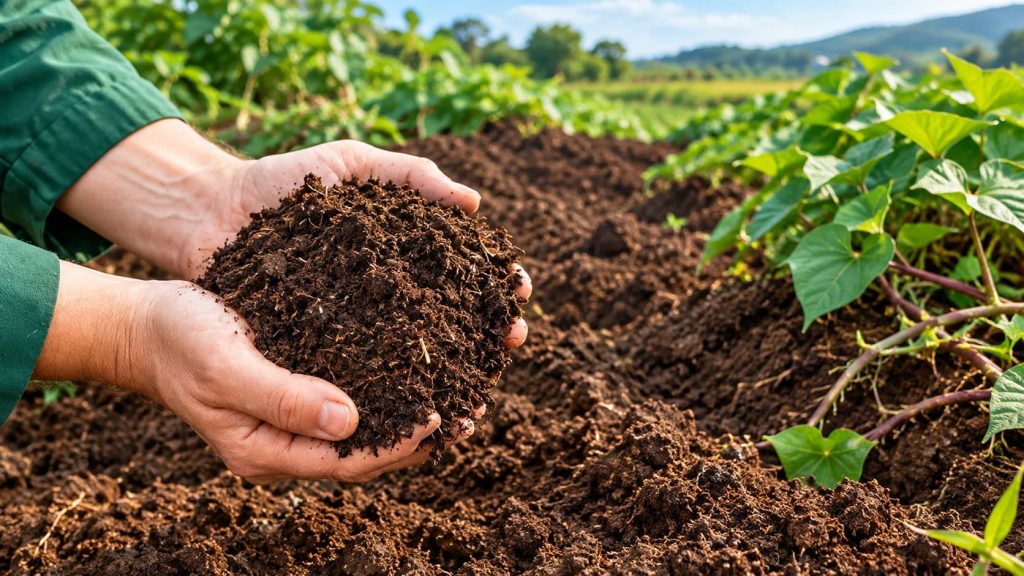
Pandan likes moisture, but constantly wet soil can create problems for the roots. If the soil stays waterlogged, the plant may gradually become weaker.
I would rather grow pandan in ordinary soil with good drainage than put it in extremely rich soil that stays wet.
Light also matters.
Give the plant a bright location with plenty of light. In very hot climates, some protection from intense afternoon sunlight can help keep the leaves looking healthy.
How Long Can a Potted Pandan Plant Last?
A pandan plant grown in a container can also live for many years.
The main challenge is space.
As the plant grows, its roots and shoots can become crowded inside the container. When this happens, the plant may not grow as vigorously as before.
If the container has become too small, moving the plant into a larger pot can give the roots more room.
You don’t necessarily need to move it into an enormous container all at once. Choose a pot that gives the root system additional room while still allowing excess water to drain freely.
The drainage holes should always remain clear.
What Happens as the Plant Gets Older?
An older pandan plant can actually become more impressive than a young one.
With time, it may produce more leaves and additional shoots around the base.
Instead of looking like one small plant, it can gradually develop into a larger clump.
This is useful if you regularly use pandan in the kitchen because an established clump can provide plenty of leaves without putting too much pressure on a single growing point.
However, older plants still need basic care.
Remove badly damaged or completely dead leaves when necessary and keep the area around the plant reasonably clean.
If the plant becomes too crowded, you may also need to manage some of the new shoots.
Does Pandan Stop Producing Leaves After a Certain Age?
There isn’t a simple age at which every pandan plant suddenly stops producing leaves.
A plant may remain productive for many years if its growing conditions remain favorable.
A decline in growth is more often related to problems such as cold temperatures, poor drainage, lack of light, root crowding, drought, or general plant stress.
This is why I wouldn’t replace an older pandan plant simply because it has been growing for several years.
Look at the plant itself.
If it is still producing healthy new leaves, there is usually no reason to start over.
When Should You Replace an Old Pandan Plant?
Sometimes an old plant does become weak or damaged beyond easy recovery.
For example, if the roots have been affected by prolonged poor drainage or the plant has suffered severe cold damage, growth may become very slow.
A plant that has stopped producing healthy new leaves for an extended period may need closer attention.
Before replacing it, check the basics.
Is the soil staying too wet?
Has the plant become severely root-bound?
Is it receiving enough light?
Has it been exposed to unusually cold weather?
Often, correcting the growing conditions can help the plant recover.
If the main plant is no longer doing well but it has produced healthy new shoots, those younger shoots can sometimes give you a fresh start.
How to Keep Pandan Productive for Longer
The easiest way to keep pandan productive is not to overcomplicate its care.
Give it a warm location, enough light, and consistent moisture.
Water when the soil begins to dry rather than following a rigid watering schedule.
Make sure excess water can escape easily.
If the plant is growing in a pot, check the roots and container size from time to time.
When harvesting, don’t strip the plant of most of its leaves at once. Take a few mature leaves and allow the plant to continue producing new growth.
A little regular attention is usually better than trying to fix problems after the plant has already become severely stressed.
Growing Pandan as a Long-Term Kitchen Plant
One of the best things about pandan is that you can treat it as a permanent part of your garden rather than a seasonal crop.
Once established, you can keep it close to the kitchen and harvest leaves whenever you need them.
You might use a few leaves for sticky rice one day, then cut another couple of leaves for a dessert or drink later in the week.
You don’t have to harvest everything at once.
This makes a mature pandan plant particularly convenient for home gardeners.
Instead of buying fresh leaves every time you want to cook with pandan, you can simply step outside and take what you need.
Final Thoughts
So, how long does a pandan plant live?
There is no single fixed lifespan for every plant, but pandan is a long-lived tropical plant that can remain productive for many years when it receives suitable growing conditions.
The key is not the age of the plant but its health.
Keep the soil moist without allowing it to remain waterlogged, provide plenty of light and warmth, give container plants enough room for their roots, and harvest the leaves sensibly.
With those simple habits, one pandan plant can become a long-term source of fresh, fragrant leaves for your kitchen.
That is what makes growing pandan at home so worthwhile. Plant it once, care for it well, and you may be able to enjoy fresh leaves for years to come.