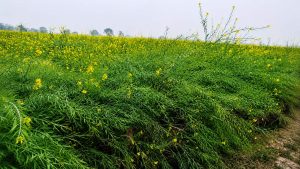
Mustard, also known as the mustard plant, is a cool-season herbaceous plant grown mainly for its edible leaves and flavorful seeds. Mustard seeds are widely used as a culinary spice in many traditional cuisines. Depending on the variety, they can have a mild, earthy flavor or a stronger, sharper taste and are commonly used in sauces, pickles, marinades, and seasoning blends.
What Are Mustard Seeds?
Mustard seeds come from plants in the Brassica genus, which is part of the cabbage family. Several mustard species are grown for culinary use, including yellow mustard, brown mustard, and black mustard.
The seeds vary in color, size, and flavor. Yellow mustard seeds are generally milder, while brown and black mustard seeds tend to have a stronger, sharper flavor.
Mustard plants are also grown for their young leaves. However, if your main goal is harvesting seeds, the plants need to remain in the garden long enough to flower and develop mature seed pods.
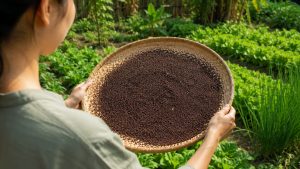
Mustard Seed Nutrition
Mustard seeds are typically used in small amounts as a culinary spice. They contain nutrients such as protein, dietary fiber, fat, calcium, magnesium, phosphorus, and potassium.
The exact nutritional composition can vary depending on the mustard variety and growing conditions. In cooking, mustard seeds are mainly valued for their distinctive flavor and aroma.
They can be used whole, lightly toasted, ground into a powder, or added to sauces, marinades, pickles, and seasoning blends.
Nutrition data reference: USDA FoodData Central – Mustard seed, ground.
Mustard Varieties for the Garden
Several types of mustard can be grown for seed.
Yellow Mustard
Yellow mustard is commonly associated with prepared mustard and has relatively mild seeds. It is a useful choice for gardeners who want seeds for homemade mustard or pickling.
Brown Mustard
Brown mustard produces darker seeds with a stronger flavor. It is widely used in traditional cooking and is particularly popular in many South Asian dishes.
Black Mustard
Black mustard produces small, dark seeds with a strong, pungent flavor. The plants can grow tall and may require more space than some garden mustard varieties.
When choosing seed, check the variety description carefully. Some mustard varieties are selected mainly for leafy greens, while others are better suited to seed production.
4. How to Use Mustard Seed
There are many delicious ways to enjoy Mustard Seeds:
Toast Them
Lightly toast whole seeds in a dry pan or cook them briefly in oil until they begin to pop. This releases their rich aroma.
Add to Curries
Mustard Seeds are a traditional ingredient in many Indian curries and vegetable dishes.
Make Homemade Mustard
Ground mustard seeds can be combined with vinegar, water, and spices to create fresh homemade mustard.
Mix Into Salad Dressings
Ground mustard adds depth and flavor to homemade vinaigrettes.
Season Roasted Vegetables
Sprinkle toasted Mustard Seeds over roasted potatoes, carrots, broccoli, or cauliflower.
Use for Pickling
Mustard Seeds are commonly used in homemade pickles for extra flavor.
Add to Soups and Stews
Whole or ground seeds can enhance the taste of soups and slow-cooked dishes.
How to Grow Mustard for Seed
Mustard is generally a cool-season crop. In many areas, it grows best in early spring or late summer for a fall harvest.
Choose a sunny planting location with fertile, well-drained soil. Mustard can tolerate some light shade, but good sunlight helps the plants grow strongly and produce flowers.
Prepare the soil by removing weeds and breaking up large clumps. Adding well-aged compost can improve soil structure and provide a steady supply of nutrients.
Sow the seeds directly into the garden. Mustard does not always transplant well once it becomes established, so direct sowing is often the simplest approach.
Keep the soil consistently moist while the seeds are germinating. Once the seedlings are established, water when the soil begins to dry.
If you are growing mustard specifically for seed, give the plants enough room to develop. Crowded plants may become difficult to manage once they become tall and begin flowering.
Sunlight and Watering
Mustard grows best with several hours of sunlight each day.
Consistent moisture is especially important during early growth. Dry conditions can slow development and may cause the plants to flower too early in some situations.
At the same time, avoid keeping the soil constantly soggy. Good drainage helps maintain healthy roots and reduces problems associated with overly wet soil.
A layer of organic mulch around established plants can help conserve moisture and reduce weed growth.
Flowering and Seed Pod Development
When mustard plants mature, they produce small yellow flowers. After flowering, narrow seed pods begin to develop along the stems.
This is the stage to start paying close attention if your goal is seed harvest.
The pods gradually change as the seeds mature. Allowing them to remain on the plant long enough for the seeds to develop fully is important.
However, do not wait too long after the pods become mature. Dry pods can eventually split and release their seeds into the garden.
When to Harvest Mustard Seeds
Harvest mustard seeds when most of the pods have turned from green to a dry, tan or brown color and the seeds inside have developed their mature appearance.
One practical approach is to harvest when the pods are mostly dry but before they begin opening on their own.
If you notice that some pods are starting to split, harvest the plants promptly.
Cut the seed-bearing stems and place them in a dry, well-ventilated location. You can then allow the remaining pods to dry further before separating the seeds.
Harvesting in dry weather makes the process easier and helps reduce excess moisture.
How to Separate Mustard Seeds
Once the pods are completely dry, place them in a clean container or paper bag and gently crush or rub the pods to release the seeds.
This process is sometimes called threshing.
Separate the larger pieces of dried plant material from the seeds. A fine kitchen sieve can help remove smaller pieces of debris.
Do not store the seeds until they are completely dry. Any remaining moisture can reduce storage quality.
How to Store Mustard Seeds
Proper storage helps preserve the flavor and aroma of mustard seeds.
Keep dried mustard seeds in an airtight container in a cool, dry, dark location. A glass jar with a tight-fitting lid works well for home storage.
Avoid storing mustard seeds in places exposed to heat, humidity, or direct sunlight.
For the best flavor, store whole seeds rather than grinding large quantities at once. Whole seeds generally retain their aroma better than ground mustard.
Label the container with the mustard variety and harvest date. This simple habit is particularly useful if you grow several types of mustard.
Before using stored seeds, check that they remain dry and have a clean, normal aroma.
How to Use Mustard Seeds in Cooking
Mustard seeds are a versatile kitchen spice and can be used in several ways.
Whole Mustard Seeds
Whole seeds can be added to pickles, sauces, marinades, and spice blends.
They can also be lightly toasted before cooking. Heating mustard seeds brings out their aroma and gives dishes a deeper flavor.
Ground Mustard
Mustard seeds can be ground into a powder using a spice grinder or mortar and pestle.
Ground mustard can be incorporated into homemade seasoning blends, sauces, dressings, and marinades.
Mustard Seed Tempering
In some traditional cuisines, mustard seeds are added to hot cooking oil until they begin to pop. The flavored oil is then used as the base for vegetables, lentils, sauces, and other dishes.
This is a simple way to bring out the characteristic aroma of mustard seeds.
Pickling
Mustard seeds are commonly used in pickling recipes. Their sharp flavor works well with cucumbers, vegetables, onions, and other preserved foods.
They can be used whole or combined with other spices.
Homemade Mustard
Mustard seeds can also be ground and mixed with liquid and seasonings to make homemade mustard.
Different varieties produce different levels of flavor, so experimenting with yellow, brown, and black mustard seeds can be an enjoyable kitchen project.
Tips for Better Mustard Seed Harvests
Growing mustard for seed is mostly about timing.
A few simple practices can make harvesting easier:
- Choose a variety suitable for seed production.
- Plant during a cool part of the growing season.
- Give plants enough sunlight.
- Keep soil evenly moist during active growth.
- Avoid excessive nitrogen late in the season.
- Allow seed pods to mature fully.
- Harvest before dry pods begin scattering seeds.
- Dry the harvested pods thoroughly.
- Store seeds in an airtight container.
If you are growing mustard for both greens and seeds, remember that harvesting too many leaves can reduce the plant’s ability to develop a strong seed crop. For seed production, allow the plant to complete its natural growth cycle.
Growing Mustard in a Home Garden
One of the advantages of mustard is that it does not require complicated equipment or intensive care.
The plants grow quickly in suitable conditions, and gardeners can choose whether to harvest the young leaves or allow some plants to mature for flowers and seeds.
If your main goal is seed production, dedicate several plants to the seed harvest rather than harvesting all of them as greens. This gives the plants enough time to flower and produce mature pods.
It is also helpful to grow more plants than you think you need. Some plants may produce more seed than others depending on weather, soil conditions, and pollination.
Frequently Asked Questions
Can you grow mustard from seed?
Yes. Mustard is commonly grown directly from seed. Sow the seeds into prepared soil and keep the planting area consistently moist during germination.
How long does mustard take to produce seeds?
The timing depends on the variety and growing conditions. Mustard grown for seed generally needs considerably more time than mustard grown only for young leaves because the plants must flower and develop mature pods.
Can you eat mustard seeds straight from the plant?
Fresh mustard seeds can be quite strong and are usually dried or processed before being used as a culinary spice. Drying also makes them easier to store.
How should mustard seeds be stored?
Store completely dry seeds in an airtight container in a cool, dry, dark place. Keeping the seeds whole helps preserve their flavor.
What can you make with mustard seeds?
Mustard seeds can be used in pickles, sauces, marinades, spice blends, homemade mustard, and many traditional vegetable and grain dishes.
Conclusion
Growing mustard for seed is a simple way to take a familiar garden crop from planting all the way to the kitchen. Give the plants suitable cool-season conditions, regular moisture, and enough time to flower and develop mature pods. Harvest the pods when they are dry but before they begin scattering seeds, then finish drying and store the seeds in an airtight container.
Whether used whole, toasted, ground, or added to pickles and sauces, homegrown mustard seeds can bring a distinctive flavor to many traditional dishes.