Mustard is one of the oldest cultivated plants in the world, widely recognized for its flavorful seeds, nutritious leaves, and important role in agriculture. Many people know mustard only as a spice used in cooking, but behind those tiny seeds is a fast-growing plant with unique characteristics, beautiful yellow flowers, and valuable farming benefits.
The mustard plant is a cool-season crop that belongs to the Brassicaceae family, the same family as cabbage, broccoli, kale, and cauliflower. It is grown around the world for different purposes, including producing mustard greens, harvesting seeds, and improving soil quality as a cover crop.
Although mustard seeds are the most familiar part of the plant, the entire mustard plant has agricultural importance. The Mustard Seeds produced after flowering are widely used in cooking and food preparation, while the leaves and stems are valuable parts for gardeners who want to grow this versatile crop.
In this complete guide, we will explore everything about the mustard plant, including its characteristics, growth cycle, planting conditions, care requirements, pest management, and harvesting methods.
1. What Is a Mustard Plant?
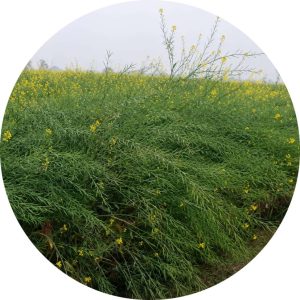
The mustard plant is an annual herbaceous plant grown mainly for its leaves and seeds. It belongs to the genus Brassica and Sinapis, with several popular varieties cultivated worldwide.
Mustard plants are valued because they grow quickly, adapt well to different environments, and require relatively simple care. Depending on the variety, gardeners can harvest young leaves within a few weeks, while plants grown for seeds need a longer growing period.
2. Mustard Plant Characteristics
Mustard plants have several recognizable features that make them easy to identify in gardens and fields.
Leaves
The leaves are usually green and develop in a rosette shape during the early growth stage. Depending on the variety, mustard leaves can be smooth, broad, curled, or slightly serrated.
Young leaves are often harvested as mustard greens because they are tender and flavorful. Older leaves usually develop a stronger and more peppery taste.
Stem
As the plant matures, it develops a tall central stem with branches that support flowers and seed pods. Mature mustard plants can grow from 2 to 6 feet tall depending on soil quality, climate, and variety.
Flowers
Mustard plants produce small yellow flowers arranged in clusters. These bright flowers attract bees and other pollinators, helping the plant complete its reproductive cycle.
Seed Pods
After flowering, mustard develops long, narrow seed pods. Each pod contains several small round seeds that gradually mature until they are ready for harvesting.
3. Mustard Plant Life Cycle
Understanding the mustard plant life cycle helps gardeners know when to plant, care for, and harvest the crop.
Seed Germination
The mustard plant begins from a small seed planted in prepared soil. When moisture and temperature conditions are suitable, the seed absorbs water and begins to sprout.
Seedlings usually emerge within several days. During this stage, the plant focuses on developing roots and its first leaves.
Vegetative Growth
During the vegetative stage, mustard produces leaves and increases in size rapidly.
This is the best time to harvest mustard greens because the leaves are young, tender, and full of flavor.
Flowering Stage
When the plant reaches maturity, it produces flower stalks covered with small yellow flowers. Flowering indicates that the plant is preparing to produce seeds.
Seed Formation
After pollination, seed pods develop. The seeds slowly mature inside the pods until they become dry and ready for harvest.
4. Best Growing Conditions for Mustard Plants
Mustard is considered an easy crop for beginners because it grows quickly and tolerates different conditions. However, providing the right environment helps produce stronger plants and better harvests.
Climate Requirements
Mustard grows best in cool weather. The ideal temperature range is around 45°F to 75°F (7°C to 24°C).
Cool temperatures encourage healthy leaf growth, while excessive heat can cause early flowering and reduce leaf quality.
In warm climates, mustard is usually planted during cooler seasons such as spring or fall.
Growing Season
Mustard has a short growing period compared with many other crops.
- Leaf harvest: approximately 30–45 days after planting
- Seed harvest: several months after planting
5. Soil Requirements for Mustard Plants
Healthy soil is one of the most important factors for successful mustard growth.
Mustard prefers:
- Fertile soil rich in organic matter
- Good drainage
- Loose soil structure
- pH between 6.0 and 7.5
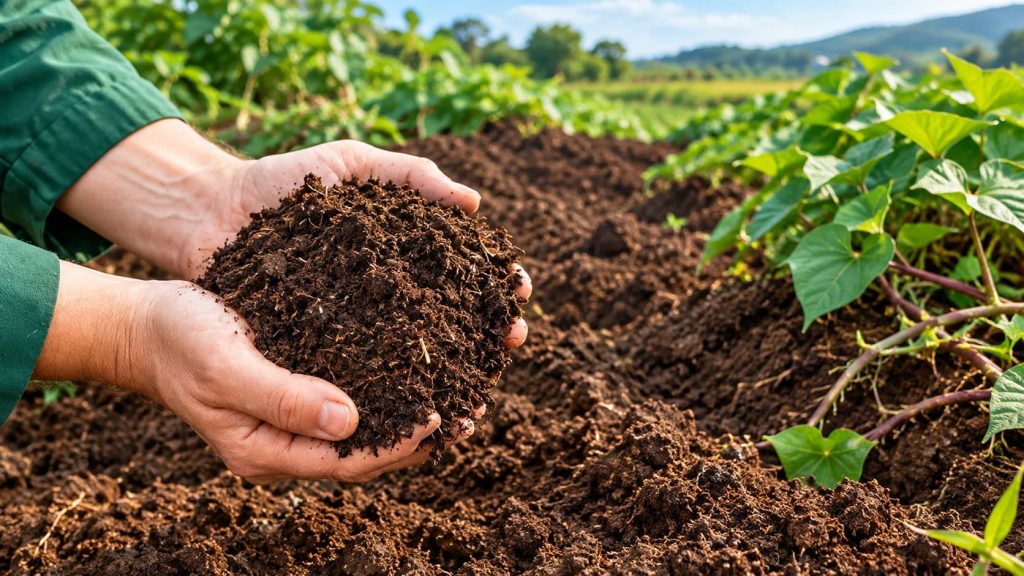
Before planting, improve soil quality by adding compost, aged manure, or organic materials. This provides nutrients and improves moisture retention.
Avoid planting mustard in heavy, compacted soil because poor drainage can prevent healthy root development.
For container gardening, choose a high-quality potting mix that allows water to drain easily.
6. Sunlight Needs
Mustard plants need plenty of sunlight to grow successfully.
The ideal condition is:
- 6–8 hours of direct sunlight daily
Full sunlight encourages stronger stems, larger leaves, and better seed production.
Although mustard can tolerate partial shade, too little sunlight may result in slow growth and smaller plants.
Choose an open area in the garden where the plant receives consistent sunlight throughout the day.
7. Watering Mustard Plants
Proper watering is essential during every stage of mustard growth.
Mustard prefers soil that remains evenly moist but not waterlogged.
Watering tips:
- Keep soil consistently moist during seed germination.
- Water regularly during leaf development.
- Reduce watering slightly when seed pods begin drying.
Overwatering can cause root problems and encourage fungal diseases, while drought stress can make leaves tough and reduce plant quality.
Adding mulch around the base of plants helps maintain moisture and prevents weed growth.
8. Fertilizing Mustard Plants
Because mustard grows quickly, it requires sufficient nutrients to support healthy development.
Before planting, mix compost or organic fertilizer into the soil.
Important nutrients include:
Nitrogen
Nitrogen promotes strong leaf growth and is especially important when growing mustard greens.
Phosphorus
Phosphorus supports root development and helps plants establish strong growth.
Potassium
Potassium improves overall plant health and supports flowering and seed formation.
Avoid excessive fertilizer because too much nitrogen may encourage leaf growth while reducing seed production.
A balanced fertilizer applied according to soil conditions is usually enough for home gardens.
9. Common Pests and Diseases
Although mustard is a hardy plant, it can still experience several common problems.
Aphids
Aphids are small insects that feed on plant sap. They often gather on young leaves and stems.
Control methods include:
- Removing heavily affected leaves
- Encouraging beneficial insects
- Washing plants with water
Flea Beetles
Flea beetles create small holes in mustard leaves, especially on young plants.
Protect seedlings with covers and maintain healthy soil conditions to reduce damage.
Cabbage Worms
Because mustard belongs to the cabbage family, it may attract cabbage worms and caterpillars.
Regular inspection helps detect problems early.
Fungal Diseases
Excess moisture and poor airflow can increase fungal problems.
To prevent disease:
- Avoid overwatering
- Provide proper plant spacing
- Remove damaged plant parts
- Rotate crops each season
10. Harvesting Mustard Leaves and Seeds
Harvesting mustard at the right time ensures the best quality.
Harvesting Mustard Leaves
Young leaves can usually be harvested about 30–45 days after planting.
For continuous production:
- Pick outer leaves first
- Leave young center leaves growing
- Harvest regularly
Young mustard leaves are softer and milder, while mature leaves have a stronger flavor.
Harvesting Mustard Seeds
Plants grown for seeds should be allowed to complete their full growth cycle.
Seeds are ready when:
- Seed pods become dry and brown
- Seeds become firm
- The plant begins to dry naturally
Cut mature stalks carefully and allow them to dry before separating the seeds.
Store dried mustard seeds in airtight containers in a cool, dry place to maintain quality.
Conclusion
The mustard plant is much more than a source of spice. It is a productive, fast-growing crop with valuable leaves, attractive flowers, and useful seeds.
With proper soil preparation, adequate sunlight, regular watering, and simple pest management, mustard can thrive in home gardens and farms alike.
Whether you grow mustard for fresh greens, seed production, or as part of a diverse vegetable garden, this versatile plant offers an enjoyable growing experience and a deeper appreciation of one of the world’s most important crops.