Hibiscus is a diverse group of flowering plants known for their large, colorful blooms and tropical-looking foliage. Some species are grown mainly as ornamentals, while others have a long history in traditional food and herbal practices.
For gardeners, hibiscus offers attractive flowers, useful botanical features, and several species suited to different climates. With the right light, soil, moisture, and temperature, many types are surprisingly easy to grow.
What Is Hibiscus?
Hibiscus is a large genus of flowering plants in the mallow family, Malvaceae. The genus includes hundreds of species ranging from tropical shrubs and annuals to hardy perennial garden plants.
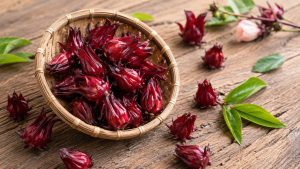
One of the best-known species is Hibiscus sabdariffa, commonly called roselle. It is valued for its fleshy red calyces and is widely grown in warm climates. Other familiar species include Hibiscus rosa-sinensis, often grown as a tropical ornamental, and hardy hibiscus such as Hibiscus moscheutos.
Because the name hibiscus covers many different species, their appearance, hardiness, and growing requirements can vary considerably.
Distribution and Origin
Hibiscus belongs to the Malvaceae family and has a broad natural distribution across tropical, subtropical, and warm temperate regions.
The genus occurs naturally in parts of Africa, Asia, Australia, the Pacific Islands, and the Americas. Different species have developed in very different environments, from humid tropical areas to wetlands and open sunny habitats.
Hibiscus sabdariffa is generally associated with tropical and subtropical regions and has been cultivated widely beyond its original range. Hibiscus rosa-sinensis is another tropical species commonly grown in warm regions and containers.
Hardy hibiscus species, including Hibiscus moscheutos, are native to parts of North America and are especially well suited to moist soils and summer heat.
Most hibiscus plants prefer plenty of sunlight, regular moisture, and fertile soil. Their growth habit can range from compact herbaceous plants to woody shrubs, depending on the species.
How to Identify Hibiscus
Identifying hibiscus is easiest when you look at several features together rather than relying only on flower color. Since the genus contains many species, there is no single appearance shared by every hibiscus plant.
Stems
The stems vary significantly. Tropical hibiscus species often develop woody, branching stems and can form shrubs. Hardy perennial species usually produce upright herbaceous stems that emerge strongly during the growing season.
Some species become quite tall, while others remain relatively compact. Young stems are generally green and become more woody with age in shrub-forming types.
Leaves
Hibiscus leaves are usually green and arranged alternately along the stems. Their shape can vary from broad and lightly lobed to deeply divided, depending on the species.
Many leaves have serrated edges and noticeable veins. Some tropical varieties have glossy foliage, while hardy types often have larger, softer leaves.
Flowers
The flowers are usually the easiest feature to recognize. Hibiscus blooms commonly have five large petals surrounding a prominent central column of stamens.
Flower colors include white, pink, red, orange, yellow, and purple, with some cultivated varieties displaying contrasting centers or multiple colors.
The staminal column is particularly useful for identification. It extends outward from the center of the flower and gives many hibiscus blooms their distinctive appearance.
Fruit and Seeds
After flowering, some hibiscus species produce small capsules containing numerous seeds. The capsules may remain green while developing and later become brown or dry.
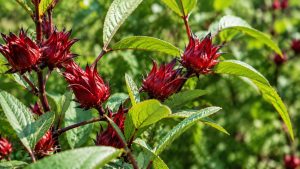
Roselle is especially recognizable by its fleshy red calyces, which surround the developing seed capsule. These structures become more prominent as the plant matures.
Roots
Hibiscus generally develops a fibrous or moderately deep root system, although the exact structure varies by species. Hardy perennial types can establish substantial root systems over several growing seasons.
When identifying a plant, the combination of leaf shape, flower structure, growth habit, and fruit characteristics is more reliable than flower color alone.
How to Grow Hibiscus
Hibiscus generally performs best when given warm conditions, good soil, regular moisture, and plenty of sunlight. However, the ideal conditions depend on the species. Tropical hibiscus requires warmer temperatures than hardy perennial types, so choose a variety appropriate for your local climate.
Sunlight
Most hibiscus plants grow best in full sun. Aim for at least six hours of direct sunlight each day when conditions allow.
Good light encourages strong stems, healthy foliage, and abundant flowering. In very hot climates, some tropical plants may appreciate protection from intense afternoon heat, especially when grown in containers.
If a plant receives too little light, it may produce weaker growth and fewer flowers.
Soil
Use fertile, well-drained soil that holds enough moisture without becoming permanently waterlogged.
Hibiscus responds well to soil rich in organic matter. Compost or well-aged organic material can improve soil structure and moisture retention.
For plants grown primarily for traditional or culinary purposes, many gardeners prefer clean, fertile soil and compost rather than excessive synthetic inputs. Good soil management also supports steady growth throughout the season.
A slightly acidic to neutral soil is generally suitable for many hibiscus species, although individual varieties can tolerate a broader range.
Watering
Hibiscus likes consistent moisture, particularly during active growth and flowering.
Water when the upper portion of the soil begins to dry, then water deeply enough to moisten the root zone. Avoid keeping the roots continuously saturated.
Container-grown plants usually dry out faster than plants growing in the ground, so they may require more frequent watering during hot weather.
Temperature
Temperature requirements vary greatly.
Tropical hibiscus prefers warm weather and can suffer when exposed to prolonged cold. Hardy hibiscus is much more tolerant of winter conditions and can survive cold temperatures when grown within its appropriate hardiness range.
If you grow a tropical species in a cooler part of the United States, containers can make it easier to move the plant into a protected location when temperatures fall.
Planting
Plant hibiscus after the danger of frost has passed for your area. Choose a location with good sunlight and enough space for mature growth.
Dig a hole slightly wider than the root system and position the plant at approximately the same depth at which it was previously growing.
Water thoroughly after planting and apply a layer of organic mulch around the plant. Keep mulch a little away from the main stem to improve air circulation.
Propagation
Hibiscus can be propagated from seeds, cuttings, or division, depending on the species.
Seeds are useful for species such as roselle and can be started indoors or planted directly when conditions are warm. Seed-grown plants may vary from the parent plant, particularly with cultivated varieties.
Stem cuttings are commonly used for suitable tropical and woody types. Division is more appropriate for some hardy perennial hibiscus.
Container Growing
Tropical hibiscus is well suited to containers. Use a container with drainage holes and a quality potting mix that drains freely.
Choose a container large enough to support the plant without leaving excessive unused soil around the roots. Repot when the root system becomes crowded or the plant begins to dry out unusually quickly.
Container plants should be monitored closely during hot weather because pots can heat up and lose moisture faster than garden soil.
Pruning and Care
Light pruning can help maintain shape and encourage branching. Remove weak, damaged, or overcrowded growth as needed.
Avoid excessive pruning during the main flowering period if your goal is to preserve existing buds. Tropical hibiscus can benefit from regular shaping, while hardy perennial types are often cut back after the growing season.
Watch for common garden pests such as aphids, whiteflies, spider mites, and scale insects, particularly on stressed container plants. Good airflow, appropriate watering, and regular inspection can help prevent minor problems from becoming severe.
How to Harvest and Store Hibiscus
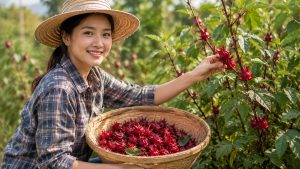
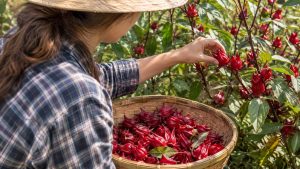
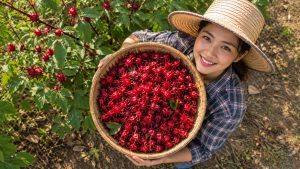
Harvesting depends on the species and the part of the plant being collected. For roselle, the fleshy calyces are the most commonly harvested plant material. Ornamental hibiscus may simply be harvested for flowers or collected for botanical observation.
For roselle, calyces are generally collected after flowering when they have become noticeably developed and fleshy. Harvest with clean garden shears or scissors, avoiding unnecessary damage to the plant.
Remove leaves, insects, damaged material, and other debris before processing. Rinse only when necessary, and allow freshly washed material to drain thoroughly.
For long-term storage, plant material should be dried completely. A food dehydrator on an appropriate low setting can provide more consistent results than outdoor drying in humid weather. Air-drying in a clean, dry, well-ventilated area is another option when conditions are suitable.
The dried material should feel dry rather than soft or damp. Store it in an airtight container away from direct sunlight, heat, and humidity.
Label containers with the plant name and harvest date. Check stored material periodically. Discard anything that develops visible mold, unusual moisture, an off odor, or significant discoloration.
Good storage is mainly about controlling moisture, light, oxygen, and heat. These factors can gradually reduce the quality of dried botanical material.
Traditional Uses and History of Hibiscus
Hibiscus has a long history of traditional use in different parts of the world, although the specific species and practices vary considerably.
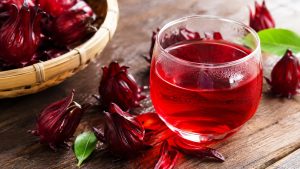
Hibiscus sabdariffa, or roselle, has been cultivated in parts of Africa and Asia for generations. Its fleshy calyces have traditionally been used in foods and beverages, while different communities have incorporated the plant into local culinary and herbal traditions.
In various regions, hibiscus flowers or calyces have also had cultural and household uses. The plant’s bright color, tart flavor in some species, and availability in warm climates contributed to its place in traditional practices.
These historical uses are best understood as part of food culture, gardening history, and traditional herbal knowledge. Traditional use does not by itself establish that a plant can treat, cure, or prevent a medical condition.
Modern scientific research has investigated different hibiscus species and their naturally occurring compounds, but research findings should not be confused with established medical treatment. Species also differ chemically, so information about one hibiscus species should not automatically be applied to another.
For gardeners, the most useful perspective is to appreciate hibiscus as a diverse botanical group with a rich cultural history and a long relationship with people in many regions.
Conclusion
Hibiscus is much more than a familiar tropical flower. The genus includes ornamental shrubs, hardy perennial garden plants, and species such as roselle that have long histories in food and traditional herbal culture. Successful cultivation starts with choosing the right species for your climate, then providing sunlight, fertile soil, steady moisture, and good drainage. With careful harvesting and dry, dark storage, selected plant materials can also be preserved as botanical products for future use.
Frequently Asked Questions
What is hibiscus?
Hibiscus is a large genus in the Malvaceae family. It includes tropical shrubs, hardy perennials, annual plants, and species grown for their flowers, foliage, or edible plant parts.
Where does hibiscus grow?
Hibiscus species occur across tropical, subtropical, and warm temperate regions. Some species are native to North America, while others originated in Africa, Asia, Australia, or other warm regions.
How do you identify hibiscus?
Look for large five-petaled flowers, a prominent central staminal column, alternate leaves, and the plant’s characteristic growth habit. Leaf shape and fruit structure can help distinguish individual species.
How do you grow hibiscus?
Give most hibiscus plants full sun, fertile organic-rich soil, regular moisture, and good drainage. Choose a species suited to your local temperatures and growing season.
How much sunlight does hibiscus need?
Most hibiscus plants perform best with about six or more hours of direct sunlight daily. Tropical plants in extremely hot areas may benefit from some afternoon protection.
How do you harvest and store hibiscus?
Harvest the appropriate plant part when it has reached maturity, then clean and dry it thoroughly. Store dried material in airtight containers away from moisture, heat, and direct light.
What is hibiscus traditionally used for?
Some hibiscus species, particularly roselle, have a long history of use in traditional foods, beverages, and herbal practices. These historical uses vary by culture and should not be interpreted as proof of medical effectiveness.