Growing Black Cohosh from seeds can be a rewarding project for gardeners who enjoy woodland plants and native perennials. Unlike fast-growing annuals, Black Cohosh develops slowly and may require patience before producing a mature flowering plant. However, once established, it can become a long-lived addition to a shaded garden.
Black Cohosh (Actaea racemosa) is native to eastern North America and naturally grows in woodland environments. Its preference for filtered light, rich organic soil, and consistent moisture provides useful clues for successful cultivation from seed.
Understanding Black Cohosh Seeds
Black Cohosh produces small seeds inside capsules that develop after flowering. Fresh, mature seeds generally have a better chance of establishing than old or poorly stored seed.
One important point for gardeners is that Black Cohosh seeds can have a natural dormancy period. In the wild, seeds may experience seasonal temperature changes before they germinate. This means germination may not happen quickly after sowing.
If you are purchasing seeds, choose a reputable native-plant or specialty seed supplier and follow the supplier’s specific instructions.
When to Start the Seeds
Timing depends on your climate and whether you are sowing outdoors or using containers.
For many gardeners, fall is a practical time to sow Black Cohosh seeds outdoors. Natural winter conditions can provide the temperature changes that help break seed dormancy.
You can also start seeds in containers and allow them to experience appropriate seasonal conditions. Because germination can be slow and irregular, avoid assuming that a seed has failed simply because nothing appears after a few weeks.
Patience is an important part of growing this woodland perennial.
Choosing the Right Growing Location
The best planting location should resemble the plant’s natural forest habitat.
Look for an area with partial shade or filtered sunlight. A spot beneath deciduous trees or near taller shrubs can work well, provided the soil is not excessively dry.
Black Cohosh generally performs best when protected from intense afternoon sun, particularly in warmer climates.
Good air circulation is also useful. Avoid planting it in a permanently soggy corner where water collects after heavy rain.
Preparing the Soil
Healthy soil is one of the most important factors when growing Black Cohosh.
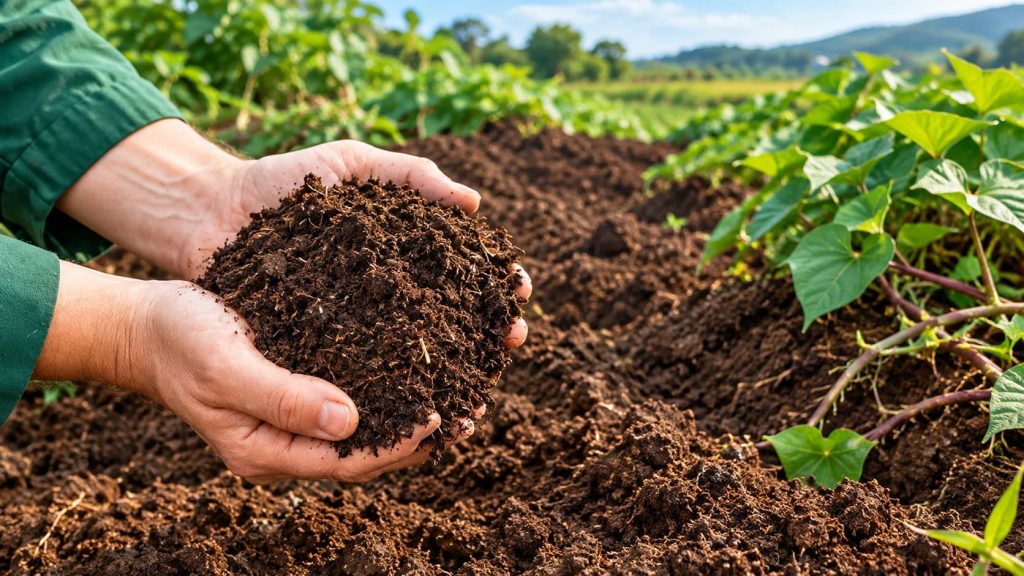
Its natural woodland habitat typically has soil enriched by years of decomposing leaves and other organic material. You can recreate some of these conditions by adding compost or well-decomposed leaf matter before planting.
The soil should retain moisture while still draining reasonably well.
Avoid compacted soil that prevents roots from developing properly. If the planting area is heavy clay, improving its structure with organic matter can help create a better environment for young plants.
Sowing Black Cohosh Seeds
When sowing outdoors, prepare a small area of loose soil and remove competing weeds. Scatter the seeds according to the recommended spacing and cover them lightly with soil.
Avoid planting them too deeply. Small seeds generally need suitable access to moisture and air near the soil surface.
Keep the area evenly moist, especially during periods without rain.
If starting seeds in containers, use a well-draining seed-starting medium. Place the container in a location that provides appropriate shade and moisture.
Label the container with the plant name and planting date. Since Black Cohosh can take time to germinate, keeping records can prevent accidental disturbance or replanting.
Germination Can Take Time
One of the biggest differences between Black Cohosh and many common garden plants is the time required for germination.
Do not expect quick results similar to lettuce, basil, or other easy-to-germinate plants. Black Cohosh seeds may require a period of dormancy and suitable seasonal conditions before seedlings emerge.
Some seeds may germinate earlier than others, so continue caring for the planting area even if only a few seedlings appear initially.
Keeping the soil consistently moist without making it waterlogged is usually more useful than repeatedly disturbing the seeds to check their progress.
Caring for Young Seedlings
Once seedlings emerge, protect them from competition and extreme environmental conditions.
Young Black Cohosh plants can be delicate. Keep nearby weeds under control so they do not compete for water, nutrients, and light.
Maintain even soil moisture, especially during hot or dry periods. However, avoid excessive watering if the soil already remains wet.
A light layer of organic mulch can help conserve moisture and reduce weed growth. Keep mulch slightly away from the base of the young plant to reduce the risk of excessive moisture around the crown.
Transplanting Young Plants
If you start Black Cohosh in containers, transplant seedlings after they have developed enough growth to handle outdoor conditions.
Choose a cool, shaded planting location and prepare the soil before moving the plants.
Handle the roots gently during transplanting. Water the plants after planting and monitor moisture levels during the first growing season.
Avoid moving young plants repeatedly. Black Cohosh benefits from being established in a suitable location where it can remain undisturbed for years.
How Long Until Black Cohosh Flowers?
Growing Black Cohosh from seed requires patience because the plant is a slow-developing perennial.
Seed-grown plants may take several years to reach flowering size, depending on growing conditions and the individual plant.
During the early years, focus on healthy root and foliage development rather than expecting flowers immediately.
Once mature, Black Cohosh can produce tall flower stalks rising above its foliage. The white flower clusters are one of its most distinctive features and make it especially attractive in woodland gardens.
Common Problems When Growing From Seed
Poor germination can occur for several reasons. Seeds may be old, dormant, planted too deeply, exposed to unsuitable conditions, or allowed to dry out.
Another common problem is excessive moisture. Although Black Cohosh likes consistently moist soil, saturated conditions can create unfavorable conditions for roots and young seedlings.
Weeds can also become a problem because slow-growing seedlings have difficulty competing with aggressive plants.
Choosing the right location and maintaining steady moisture are often more important than trying to force rapid growth.
Tips for Better Results
For gardeners interested in how to grow Black Cohosh from seeds, a few simple practices can improve the experience:
- Start with fresh, high-quality seed.
- Follow the supplier’s germination instructions.
- Consider fall sowing to take advantage of natural seasonal conditions.
- Provide shade or filtered sunlight.
- Keep the soil consistently moist but well drained.
- Add organic matter to improve soil quality.
- Avoid disturbing seeds while waiting for germination.
- Control weeds around young plants.
- Expect slow development and be patient.
The most important lesson is to treat Black Cohosh as a woodland perennial rather than a quick-growing garden flower.
Final Thoughts
Growing Black Cohosh from seeds is not a project for gardeners looking for immediate results. Its natural dormancy and slow development mean that patience is essential.
However, the process can be worthwhile. With shaded conditions, organic-rich soil, steady moisture, and proper seasonal care, Black Cohosh can eventually become an impressive perennial in a woodland garden.
Understanding its natural habitat is the first step. Once you recreate those conditions in your garden and give the seeds enough time, you can enjoy watching this distinctive native perennial develop over the seasons.