Lavender is one of the best-known aromatic plants in home gardens, valued for its silvery foliage, fragrant flowers, and ability to thrive in sunny, relatively dry conditions.
Native to parts of the Mediterranean region, lavender has become a popular garden plant across the United States. Its compact growth, long-lasting blooms, and distinctive scent make it useful in herb gardens, borders, containers, and pollinator-friendly landscapes.
What Is Lavender?
Lavender is the common name for plants in the genus Lavandula, a group of aromatic perennial herbs and small shrubs in the mint family, Lamiaceae. Several species are cultivated by gardeners, with English lavender (Lavandula angustifolia), lavandin (Lavandula × intermedia), and Spanish lavender (Lavandula stoechas) among the most familiar.
Distribution and Origin
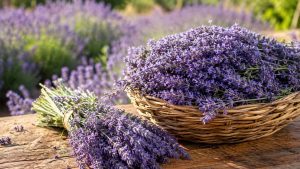
Lavender is native mainly to the Mediterranean region, including parts of southern Europe, North Africa, and western Asia. It naturally grows in sunny, open areas with rocky, well-drained soils.
Today, lavender is widely cultivated in gardens and commercial herb farms across the United States. It grows as a woody-based perennial, forming compact mounds of narrow gray-green or silvery leaves with upright flowering stems.
Different species vary in size, flower shape, fragrance, and cold tolerance. English lavender is generally compact and relatively cold hardy, while Spanish lavender has distinctive flower heads with showy bracts. Lavandin hybrids are often larger and produce long flowering stems.
How to Identify Lavender
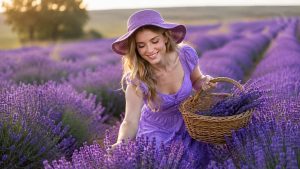
Lavender is recognized by its narrow, gray-green to silvery leaves, upright stems, and distinctive fragrance. Stems are green when young and become woody near the base as plants mature.
Flowers grow on slender stems above the foliage and are commonly purple, violet, blue-purple, pink, or white. English lavender usually produces simple flower spikes, while Spanish lavender has showy bracts at the top of its flower heads.
After flowering, lavender develops small fruits containing seeds. However, named cultivars are often propagated from cuttings to preserve their characteristics.
The combination of silvery foliage, aromatic leaves, woody stems, and upright flower spikes makes lavender relatively easy to distinguish from similar Mediterranean herbs such as rosemary.
How to Grow Lavender
Lavender is often easier to grow when you work with its natural preferences instead of trying to make it behave like a moisture-loving garden plant. The most important factors are strong sunlight, excellent drainage, moderate watering, and good air circulation.
Sunlight
Lavender performs best in full sun. Aim for at least six hours of direct sunlight each day, with more sun often producing stronger growth and better flowering.
A sunny location also helps keep the foliage dry after rain or watering. In humid climates, good sunlight and air movement can be particularly important.
Soil
Well-drained soil is essential. Lavender dislikes having its roots remain wet for long periods, especially during winter.
Sandy, gravelly, or loamy soil can work well when drainage is good. If your garden soil is heavy clay, improve the planting area with suitable organic matter and coarse materials where appropriate, or consider growing lavender in a raised bed or container.
A soil structure that drains quickly is generally more important than highly fertile soil. Avoid heavily feeding lavender because excessive fertility can encourage soft, leafy growth rather than the compact form gardeners usually want.
For an herb garden, using well-aged organic compost in moderation can help improve soil structure. The goal is healthy, naturally growing plants rather than forcing rapid growth with heavy fertilizer.
Watering
Newly planted lavender needs regular watering while its roots become established. Once established, it is considerably more drought tolerant.
Water deeply when the soil has dried rather than giving the plant frequent shallow watering. The exact schedule depends on rainfall, soil type, temperature, and whether the plant is growing in the ground or a container.
Overwatering is one of the most common causes of lavender problems. If the soil stays wet for extended periods, roots can become stressed and vulnerable to rot.
Temperature
Cold tolerance varies by species and cultivar. English lavender is generally more cold tolerant than some other commonly grown types, while Spanish lavender is better suited to mild climates.
In colder areas, winter survival depends not only on minimum temperature but also on soil drainage. Wet winter soil can be more damaging than cold alone.
Planting
Plant lavender after the risk of severe frost has passed in areas with cold winters. Choose a location with plenty of sunlight and enough space for mature plants to develop good air circulation.
Avoid planting too deeply. Set the plant at approximately the same depth at which it was growing in its nursery container.
Give individual plants enough room so their foliage does not remain crowded. Spacing depends on the mature size of the variety.
Propagation
Lavender can be grown from seed, but propagation from cuttings is often preferred for maintaining the characteristics of a particular cultivar.
Semi-hardwood cuttings can be taken from healthy plants during the growing season. Remove the lower leaves and place the cutting in a suitable well-draining propagation medium. Keep the medium lightly moist while roots develop, but avoid keeping it saturated.
Seed propagation is useful when growing species or when genetic variation is acceptable, but seedlings may differ from the parent plant.
Container Growing
Lavender grows well in containers when drainage is excellent. Choose a pot with drainage holes and use a well-draining growing medium.
Terracotta containers can be useful because they allow moisture to evaporate through the sides. Containers also make it easier to move less cold-hardy lavender varieties to a protected location when necessary.
Pruning and Care
Regular light pruning helps lavender maintain a compact shape. After flowering, remove spent flower stems and lightly shape the plant.
Avoid cutting deeply into old, leafless woody stems because lavender may have difficulty producing new growth from very old wood.
Good air circulation, careful watering, and plenty of sunlight are usually more useful than heavy fertilization.
Common Growing Problems
The most common lavender problems are often related to excess moisture. Yellowing foliage, declining stems, and poor growth can occur when drainage is inadequate.
Root and crown problems can also develop in persistently wet conditions. In humid regions, crowded plants may experience additional fungal issues when foliage remains damp.
Aphids and other small garden pests may occasionally appear, but healthy lavender is generally considered relatively low-maintenance. Inspect plants regularly and address problems early rather than relying on unnecessary treatments.
How to Harvest and Store Lavender
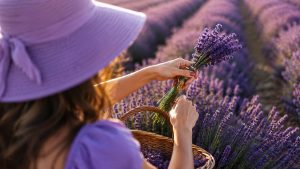
Lavender flowers are commonly harvested when the flower spikes are beginning to open or when enough flowers have opened to provide the desired appearance and fragrance. The exact timing depends on the intended botanical or ornamental use.
Harvest on a dry day after morning moisture has evaporated. Use clean, sharp scissors or pruners to cut flowering stems above the woody portion of the plant.
For dried material, gather the stems into small bundles rather than making very large bunches. Hang them upside down in a dry, dark, well-ventilated location. Good airflow helps prevent moisture from becoming trapped inside the bundle.
Lavender can also be dried on screens or trays. Avoid high heat because excessive heat can damage delicate aromatic compounds and reduce the quality of the dried flowers.
Once completely dry, remove the flowers from the stems if desired and place them in clean, dry, airtight containers. Store the dried material away from direct sunlight, heat, and humidity.
Properly dried lavender should remain dry and retain its characteristic color and aroma. Discard material that develops visible mold, unusual moisture, or an unpleasant musty smell.
Traditional Uses and History of Lavender
Lavender has a long history of traditional use in Mediterranean and European cultures. Its aromatic flowers and foliage were valued historically for their fragrance and were associated with bathing, household scenting, personal care, and various folk practices.
The Romans are often associated with the historical use of aromatic plants, including lavender, in bathing and household settings. Lavender also became an important traditional plant in European herb gardens and household gardens during later centuries.
Historically, dried lavender flowers were sometimes placed among clothing or household linens because of their pleasant fragrance. The plant was also included in traditional herbal practices, although historical use varied between regions and time periods.
Different parts of the plant, particularly the flowers and flowering tops, have been valued for their aromatic qualities.
These historical and traditional uses are part of lavender’s cultural and botanical history. They should not be interpreted as proof that lavender can treat, cure, or prevent a medical condition. Modern scientific research may investigate individual compounds or potential effects, but traditional use and modern medical evidence are not the same thing.
Conclusion
Lavender is a distinctive Mediterranean plant that has become a favorite in American gardens because of its fragrant foliage, attractive flower spikes, and relatively low water requirements once established. The best results usually come from full sun, excellent drainage, moderate watering, and careful pruning. Harvesting on a dry day and storing thoroughly dried flowers in airtight containers helps preserve their quality. Beyond gardening, lavender also has a long and interesting history as an aromatic plant in traditional European culture.
Frequently Asked Questions
What is lavender?
Lavender is a group of aromatic plants in the genus Lavandula and the mint family, Lamiaceae. It is known for narrow silvery foliage, fragrant flowers, and a compact growth habit.
Where does lavender grow?
Lavender is native mainly to Mediterranean regions but is now cultivated widely, including throughout many parts of the United States. It grows best in sunny locations with well-drained soil.
How do you identify lavender?
Look for narrow gray-green or silvery leaves, woody lower stems, aromatic foliage, and upright flower spikes. Flower color is commonly purple or violet, although some varieties have pink or white flowers.
How do you grow lavender?
Plant lavender in full sun and well-drained soil. Water regularly while plants establish, then allow the soil to dry between deeper waterings. Avoid excessive fertilizer and consistently wet soil.
How much sunlight does lavender need?
Lavender generally performs best with at least six hours of direct sunlight per day. More sunlight can help maintain compact growth and support flowering.
How do you harvest and store lavender?
Cut flowering stems on a dry day after surface moisture has evaporated. Dry them in a dark, well-ventilated location, then store the completely dried material in an airtight container away from heat, moisture, and direct light.
What was lavender traditionally used for?
Lavender has a long history of traditional use as an aromatic plant, particularly for fragrance, bathing, household scenting, and folk practices in Mediterranean and European cultures. These historical uses do not establish modern medical benefits.