Mimosa pudica is a fascinating tropical plant best known for its sensitive leaves, which fold inward when touched. Its delicate pink flowers, unusual movement, and fast-growing habit make it a favorite among gardeners and plant enthusiasts.
Often grown in warm gardens or containers, this easy-to-grow plant adds a unique botanical feature to indoor and outdoor plant collections.
What Is Mimosa Pudica?
Mimosa pudica is the botanical name of a plant commonly called sensitive plant, touch-me-not, or sleepy plant. It belongs to the Fabaceae family, the same plant family as peas, beans, and fenugreek.
The species is native to tropical regions of Central and South America, although it has been introduced to many warm parts of the world.
Mimosa pudica is a low-growing herb or short-lived perennial in suitable tropical climates. In colder areas, it is often grown as an annual or container plant because it does not tolerate freezing temperatures well.
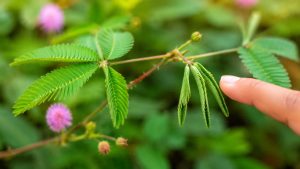
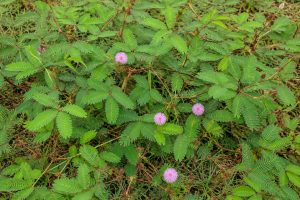
The most remarkable feature is its foliage. The leaves are finely divided into many small leaflets arranged along slender stems. When touched, shaken, or exposed to other physical stimulation, the leaflets fold together and the leaf stalk may droop. After a period of time, the leaves gradually reopen.
This movement is known as thigmonasty, a rapid plant response to touch or mechanical stimulation. It is one reason Mimosa pudica is so popular with gardeners and plant enthusiasts.
The plant produces small, round flower heads that are usually pink to lavender. Individual flowers are tiny, but together they create soft, pom-pom-like blooms.
After flowering, Mimosa pudica can develop small, flattened seed pods containing several seeds. Like other members of the legume family, it produces seeds rather than berries.
The plant also develops a relatively fine root system and can spread through seed under favorable conditions.
In traditional herbal practices, different parts of Mimosa pudica have been used, including the leaves, stems, roots, and seeds. However, traditional use varies by region and should be distinguished from modern scientific evidence.
Traditional Uses of Mimosa Pudica
Mimosa pudica has a long history in traditional herbal systems, particularly in tropical regions where the plant grows naturally or has become established.
Different cultures have traditionally prepared various parts of the plant in different ways. Historical uses have included preparations made from the leaves, roots, stems, and seeds.
Some traditional practices have involved crushed or dried plant material, infusions, or other preparations. However, these historical uses should not be interpreted as proof that Mimosa pudica can cure, treat, or prevent a disease.
Modern research has investigated Mimosa pudica and some of its plant compounds, but research on the whole plant, isolated compounds, extracts, and supplements can differ considerably. Evidence remains limited for many traditional claims.
It is especially important to distinguish between a traditional preparation and a concentrated extract. A dried leaf or root is chemically different from a standardized or concentrated supplement, and research on one preparation cannot automatically be applied to another.
For gardeners, Mimosa pudica is particularly interesting because its traditional herbal history exists alongside a very unusual botanical behavior. The plant’s ability to respond visibly to touch is one of its most distinctive characteristics.
Dried Plant Material
Dried Mimosa pudica leaves, stems, roots, or seeds may appear in traditional herbal contexts.
However, plant identification and preparation are particularly important when dealing with less commonly consumed species. If you are growing Mimosa pudica as an ornamental plant, do not assume that every part of the plant is appropriate for internal use.
Extracts and Supplements
Mimosa pudica supplements and concentrated extracts are different from the living plant or ordinary dried plant material.
Concentrated products may contain significantly different amounts of plant compounds. They should not be treated as interchangeable with a garden-grown plant.
Anyone considering internal use of Mimosa pudica preparations, especially concentrated products, should discuss the specific product with a qualified healthcare professional.
For most home gardeners, the safest and simplest way to enjoy this plant is to grow it as a botanical curiosity.
How to Grow Mimosa Pudica
Mimosa pudica is relatively easy to grow when given warmth, sunlight, and adequate moisture. Its main challenge for gardeners in the United States is temperature because it is a tropical plant.
Sunlight
Mimosa pudica grows well in bright light and full sun.
Aim for several hours of direct sunlight each day. In extremely hot climates, some afternoon protection can help prevent excessive stress.
When grown indoors, place the plant near a bright window where it can receive plenty of natural light.
Insufficient light can lead to weak, stretched growth and fewer flowers.
Soil
Use loose, well-drained soil that retains some moisture without becoming waterlogged.
A general-purpose potting mix can work well for container-grown Mimosa pudica. Adding organic matter can help improve soil structure in garden beds.
Avoid heavy soil that stays saturated for long periods.
Good drainage is especially important in containers because standing water around the roots can lead to root problems.
Watering
Mimosa pudica likes consistent moisture during active growth.
Water when the surface of the soil begins to dry, giving the plant enough moisture to reach the root zone.
Do not allow the plant to sit in standing water.
During hot weather, container plants may dry out quickly and need more frequent attention. During cooler periods, reduce watering as growth slows.
Temperature
Warm temperatures are essential for healthy growth.
Mimosa pudica grows best in tropical and subtropical conditions. It does not tolerate freezing temperatures well.
In most parts of the United States, gardeners outside warm climates should grow it in a container so it can be moved indoors before cold weather arrives.
A protected, warm location can greatly extend the growing season.
Planting
Mimosa pudica is commonly started from seed.
The seeds have a relatively hard outer coating, so germination can sometimes be uneven. Following the preparation instructions supplied with your seed source can improve germination.
Sow the seeds in a moist, well-drained growing medium and keep them warm.
Once seedlings develop several true leaves, they can be transplanted carefully into individual containers or a suitable garden location.
Avoid disturbing young roots unnecessarily.
Container Growing
Container growing is an excellent choice for Mimosa pudica, especially in areas with cold winters.
Choose a container with drainage holes and enough space for the plant’s root system. A quality potting mix is usually sufficient.
Place the container in a warm, bright location.
Container growing also makes it easier to control moisture and move the plant indoors when temperatures fall.
If grown indoors, remember that the plant still needs strong light. A bright window or suitable supplemental plant lighting can help maintain healthy growth.
Pruning
Mimosa pudica can become somewhat sprawling as it grows.
Light pruning can help maintain a compact shape and encourage branching. Remove weak or damaged growth with clean scissors or pruning shears.
Avoid excessive pruning at one time, particularly when the plant is stressed by cold, drought, or transplanting.
Common Growing Problems
The most common problems are usually related to environmental conditions.
Too much water can cause root problems, while prolonged dryness can lead to wilting and leaf drop.
Insufficient sunlight may produce thin, stretched stems.
Indoor plants can occasionally attract common pests such as aphids, spider mites, or whiteflies. Inspect the undersides of leaves regularly.
One interesting point is that leaf folding itself is not necessarily a sign that the plant is unhealthy. Touch, vibration, heat, or other environmental stimulation can naturally cause the leaves to close.
Try not to repeatedly handle the plant simply to make it fold. The movement is a natural response, but unnecessary repeated stimulation is not useful for the plant.
How to Harvest and Store Mimosa Pudica
Unlike culinary herbs such as basil or chives, Mimosa pudica is not generally harvested as a routine kitchen herb.
If plant material is being collected for botanical or traditional purposes, accurate identification and clean harvesting practices are important.
When to Harvest
The appropriate harvest time depends on which part of the plant is being collected and the intended traditional or botanical use.
Leaves and above-ground stems can generally be collected while the plant is actively growing. Seeds should be collected only after the seed pods have matured.
Do not collect plants that have been exposed to pesticides, herbicides, contaminated soil, or other unsuitable chemicals.
Harvesting Leaves and Stems
Use clean scissors or pruning shears to remove healthy above-ground growth.
Avoid stripping a young plant completely. Leaving enough foliage allows it to continue photosynthesis and recover from harvesting.
Wear gloves if your skin is sensitive to plant material.
Collecting Seeds
Allow mature seed pods to dry on the plant or in a protected, dry location.
Once the pods are fully dry, collect the seeds and remove plant debris.
Keep seeds completely dry before storage.
Drying Plant Material
If dried plant material is appropriate for a specific traditional or botanical purpose, spread clean material in a thin layer in a dry, well-ventilated location.
Avoid excessive heat and direct sunlight.
The material should be thoroughly dry before being placed into storage. Any remaining moisture can encourage mold.
Storing Mimosa Pudica
Store dried plant material in an airtight, clearly labeled container away from moisture, heat, and direct sunlight.
Include the plant name and harvest date on the container.
Discard material if it develops mold, moisture, insect activity, an unusual smell, or significant discoloration.
Because Mimosa pudica is not a standard culinary herb, do not store harvested material alongside food herbs without clear labeling.
When collecting seeds for future planting, keep them dry and protected from excessive heat and humidity.
Conclusion
Mimosa pudica is one of those plants that immediately captures attention. Its sensitive leaves, small pink flower heads, and tropical growth habit make it an enjoyable plant for gardeners who like unusual botanical features. It also has a long history in traditional herbal practices, although traditional use should be kept separate from modern scientific evidence. For home gardeners, warmth, bright sunlight, well-drained soil, and consistent moisture are the keys to healthy growth. In cooler climates, container growing is often the easiest approach.
Frequently Asked Questions
What is Mimosa pudica?
Mimosa pudica is a tropical plant in the legume family, Fabaceae. It is commonly called sensitive plant because its leaves fold inward and droop when touched or mechanically stimulated.
Why does Mimosa pudica close its leaves when touched?
Mimosa pudica has a natural movement response called thigmonasty. Changes in water pressure within specialized plant tissues cause the leaves to fold after physical stimulation.
Can you grow Mimosa pudica at home?
Yes. Mimosa pudica can be grown at home from seed or young plants. It grows best in warm conditions with bright sunlight, consistent moisture, and well-drained soil.
How much sunlight does Mimosa pudica need?
Mimosa pudica grows well in bright light and several hours of direct sunlight each day. When grown indoors, place it near a bright window or provide suitable supplemental lighting.
How often should you water Mimosa pudica?
Water when the surface of the soil begins to dry. Keep the soil consistently moist during active growth, but avoid waterlogged conditions that can cause root problems.
Can Mimosa pudica grow indoors?
Yes. Mimosa pudica can grow indoors in a warm, bright location. Container growing is especially useful in colder climates because the plant can be moved indoors before freezing temperatures arrive.
How do you grow Mimosa pudica from seed?
Sow Mimosa pudica seeds in a warm, moist, well-drained growing medium. Keep the seeds warm and provide bright light after germination. Once seedlings develop several true leaves, they can be transplanted carefully.
How do you collect Mimosa pudica seeds?
Allow the seed pods to mature and dry before collecting them. Remove the seeds from the dry pods, keep them completely dry, and store them in a cool, dry place until they are ready for planting.
What is Mimosa pudica traditionally used for?
Mimosa pudica has a history of traditional use in several regions. However, traditional use does not establish that the plant can treat or prevent disease, and evidence for many traditional claims remains limited.