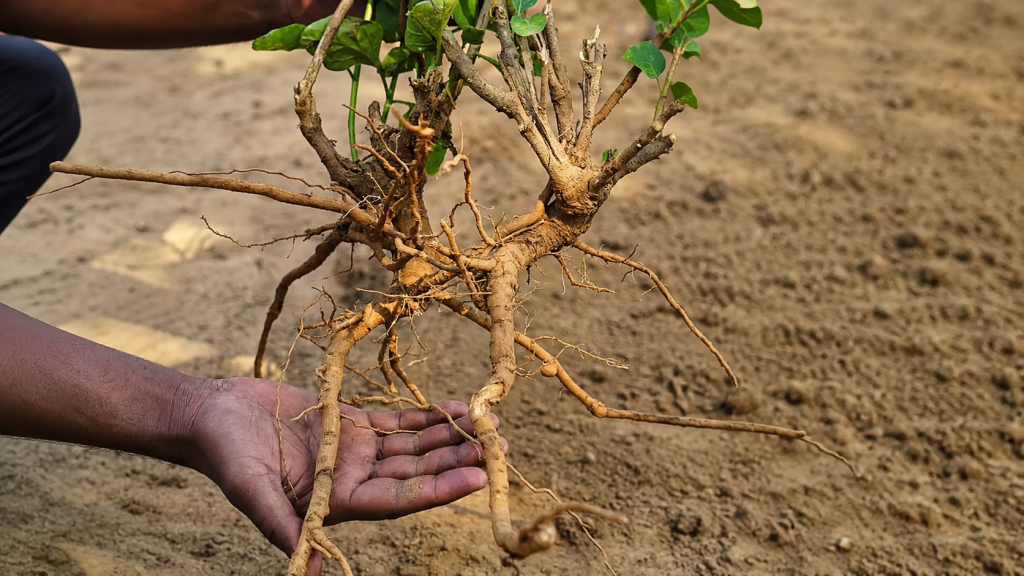
Ashwagandha is a traditional herbal plant that has been used for centuries in Ayurvedic practices. Scientifically known as Withania somnifera, this small shrub is recognized for its green leaves, delicate flowers, red berries, and thick roots that have a long history of use in traditional herbal preparations.
Today, Ashwagandha has become increasingly popular around the world. It is commonly found in herbal powders, teas, capsules, and extracts and is often discussed as part of traditional wellness practices. At the same time, gardeners and herb enthusiasts are becoming interested in growing Ashwagandha at home because of its unusual appearance and relatively simple growing requirements.
Ashwagandha is naturally suited to warm, sunny environments and relatively dry conditions. When grown in the right climate, it can be a rewarding addition to an herb garden or container collection.
In this guide, you will learn what Ashwagandha is, where it comes from, its traditional uses and potential benefits, and how to grow and care for this unique herbal plant.
Table of Contents
- 1. What Is Ashwagandha?
- 2. Where Does Ashwagandha Grow?
- 3. Ashwagandha Plant Characteristics
- 4. Traditional Uses of Ashwagandha
- 5. Potential Benefits of Ashwagandha
- 6. How to Grow Ashwagandha
- 7. How Much Sun Does Ashwagandha Need?
- 8. What Is the Best Soil for Ashwagandha?
- 9. How Often Should You Water Ashwagandha?
- 10. How to Harvest Ashwagandha
- 11. Frequently Asked Questions About Ashwagandha
- 12. Final Thoughts
1. What Is Ashwagandha?
Ashwagandha is a small perennial shrub scientifically known as Withania somnifera. It belongs to the Solanaceae family, also called the nightshade family, which includes familiar plants such as tomatoes, peppers, eggplants, and potatoes.
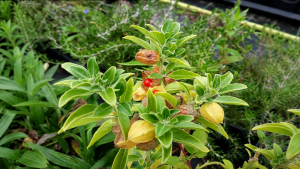
The plant usually develops a compact, branching growth habit and can reach a moderate height when grown in favorable conditions. Its leaves are generally oval-shaped and green, while its small flowers may appear yellowish-green or pale in color.
After flowering, Ashwagandha produces small red or orange-red berries. These berries are enclosed in a papery covering that gives the plant a distinctive appearance.
Although the entire plant has a long history in traditional practices, the root is the part most commonly associated with Ashwagandha. Traditionally, the roots are harvested, dried, and processed into powder or used in various herbal preparations.
Ashwagandha is sometimes referred to as Indian ginseng or winter cherry. However, it is not actually related to true ginseng. The name Indian ginseng is mainly used because of similarities in the way the plant has traditionally been valued as an herbal ingredient.
The word Ashwagandha comes from Sanskrit and is often associated with the characteristic smell of the plant’s root. This distinctive aroma is one of the features that has made the plant recognizable in traditional herbal systems.
For gardeners, Ashwagandha is particularly interesting because it combines ornamental qualities with a long history of traditional use. Its unusual berries, soft foliage, and compact growth can make it an attractive addition to a sunny herb garden.
2. Where Does Ashwagandha Grow?
Ashwagandha is native to parts of India, Africa, and the Middle East. It is especially associated with warm and relatively dry regions of the Indian subcontinent, where it has been cultivated and used for generations.
The plant naturally grows in environments that provide plenty of sunlight and well-draining soil. It is adapted to periods of relatively dry weather once established, which means it generally does not require the consistently moist conditions preferred by many other garden plants.
Ashwagandha grows best in warm temperatures and can struggle in cold environments. It is particularly sensitive to excessive moisture around the roots, especially when temperatures are low.
Because of these preferences, gardeners in warm climates may be able to grow Ashwagandha outdoors for an extended period or even year-round. In cooler regions, the plant may be grown as an annual or cultivated in a container that can be moved to a protected location.
When choosing a growing location, look for an area that receives plenty of direct sunlight and has good air circulation. Avoid planting Ashwagandha in areas where rainwater collects or where the soil remains saturated for long periods.
The plant’s natural preference for warm, sunny, and relatively dry conditions is one of the most important factors to consider when deciding whether it is suitable for your garden.
3. Ashwagandha Plant Characteristics
Ashwagandha is a relatively compact plant with several features that make it easy to recognize.
The leaves are usually oval-shaped, green, and somewhat soft or hairy in texture. They grow along branching stems and give the plant a full, bushy appearance.
The flowers are small and may appear yellow-green or pale in color. They are not usually the main ornamental feature of the plant, but they contribute to its overall appearance and eventually develop into small berries.
The berries are one of the most distinctive characteristics of Ashwagandha. They are typically red or orange-red and develop inside a papery, lantern-like covering.
The roots are generally thick and pale. In traditional herbal practices, the roots are the part most commonly harvested and processed.
Some of the main characteristics of Ashwagandha include:
- Scientific name: Withania somnifera
- Plant family: Solanaceae
- Growth habit: Compact and branching
- Leaves: Green, oval-shaped, and slightly hairy
- Flowers: Small and pale yellow-green
- Berries: Red or orange-red with a papery covering
- Roots: Thick and traditionally valued for herbal preparations
- Preferred conditions: Warm, sunny, and relatively dry
- Soil preference: Loose and well-draining soil
Ashwagandha can be grown in garden beds, raised beds, or containers. Its relatively compact size makes it practical for gardeners who do not have a large amount of space.
4. Traditional Uses of Ashwagandha
Ashwagandha has a long history in Ayurvedic herbal traditions and has traditionally been used in a variety of herbal preparations.
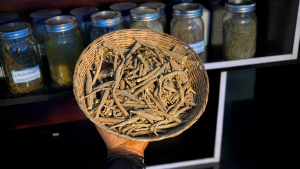
The root is the part most commonly associated with traditional use. After harvesting, the roots may be cleaned, dried, and ground into a powder. The powder can then be incorporated into traditional formulations or prepared in other ways.
Today, Ashwagandha is available in many forms, including:
- Dried root powder
- Capsules
- Herbal teas
- Liquid extracts
- Standardized herbal extracts
- Traditional herbal preparations
In traditional wellness practices, Ashwagandha has often been used as a general herbal tonic. It is also commonly described as an adaptogenic herb, a term used in herbal and wellness discussions for plants believed to help the body adapt to various forms of stress.
However, it is important to distinguish between traditional use and modern scientific evidence. Not every traditional claim about Ashwagandha has been confirmed by high-quality research.
The quality and concentration of Ashwagandha products can also vary considerably. Different products may use different parts of the plant, extraction methods, and concentrations of active compounds.
For anyone considering Ashwagandha as a dietary supplement, it is important to choose products carefully and consult a qualified healthcare professional when appropriate, particularly if taking medication or managing an existing health condition.
5. Potential Benefits of Ashwagandha
Ashwagandha has attracted considerable interest from researchers because of its long history of traditional use and its naturally occurring plant compounds.
One group of compounds found in Ashwagandha is called withanolides. These compounds have been the subject of scientific research, although the effects of Ashwagandha can vary depending on the specific preparation, concentration, and individual.
Stress and Relaxation
Ashwagandha is often discussed in relation to stress and relaxation. Some research has explored whether certain Ashwagandha preparations may help support the body’s response to stress.
This is one of the most common reasons the herb appears in modern wellness products.
However, results from studies may vary, and the effects of one specific extract should not automatically be applied to every Ashwagandha product.
Sleep and Rest
Ashwagandha has also been studied in relation to sleep quality and relaxation.
Some research has suggested that certain preparations may have a relationship with sleep-related outcomes, although more research is needed to understand the effects fully.
Anyone experiencing persistent sleep difficulties should consider discussing the issue with a healthcare professional rather than relying solely on herbal supplements.
General Wellness
Ashwagandha is included in many herbal wellness products because of its traditional history and naturally occurring plant compounds.
Some people use it as part of a broader approach to maintaining general well-being, alongside a balanced diet, regular physical activity, and healthy sleep habits.
It is important to remember that Ashwagandha is an herbal supplement rather than a replacement for medical treatment.
If you are considering using Ashwagandha, particularly if you are pregnant, taking medication, or have an existing health condition, consult a qualified healthcare professional before using it.
6. How to Grow Ashwagandha
Ashwagandha is relatively easy to grow when it receives warm temperatures, plenty of sunlight, and well-draining soil.
Start by choosing a sunny location where the plant can receive at least 6 hours of direct sunlight each day.
Ashwagandha can be grown directly in the garden, in raised beds, or in containers. Container growing can be particularly useful in cooler regions because the plant can be moved to a protected location when temperatures fall.
Growing Ashwagandha From Seed
Ashwagandha is commonly grown from seed.
Sow the seeds in warm soil or start them in containers. Keep the growing medium lightly moist during germination, but avoid making it constantly wet.
Once seedlings emerge, provide plenty of sunlight. If starting seeds indoors, gradually introduce young plants to outdoor conditions before transplanting them into the garden.
When planting outdoors, wait until the soil has warmed and the risk of cold temperatures has passed.
Plant Spacing
Give each plant enough room for air circulation and healthy growth.
Avoid overcrowding Ashwagandha plants, especially in humid environments. Good spacing can help improve airflow around the foliage and reduce moisture-related problems.
Fertilizing Ashwagandha
Ashwagandha generally does not require heavy fertilization.
If the soil is reasonably fertile, adding compost before planting may provide enough nutrients for healthy growth.
A light application of a balanced fertilizer during the growing season can be used if necessary. However, avoid excessive fertilization, particularly with high-nitrogen products.
Too much fertilizer may encourage excessive leafy growth without necessarily improving the overall health of the plant.
Growing Ashwagandha in Containers
Ashwagandha can grow well in containers when provided with sufficient sunlight and good drainage.
Choose a container with drainage holes and use a loose, well-draining potting mix.
The pot should be large enough to accommodate the plant’s developing root system. Avoid using a container that is unnecessarily large, as excess soil can hold moisture for longer periods.
Container-grown plants may also need more frequent watering than those planted in the ground because the soil can dry out faster.
7. How Much Sun Does Ashwagandha Need?
Ashwagandha grows best in full sun and generally needs at least 6 hours of direct sunlight each day.
Strong sunlight supports healthy growth and helps the plant develop a compact, vigorous shape.
Plants that do not receive enough light may become weak or stretched as they grow toward available sunlight.
When growing Ashwagandha outdoors, choose the sunniest suitable location in your garden.
If you are growing it in a container, place the pot where it can receive several hours of direct sunlight throughout the day.
In warm climates, Ashwagandha can generally tolerate strong sunlight. However, the plant still needs appropriate soil drainage and adequate care.
In extremely hot conditions, particularly when plants are young, monitor the soil moisture carefully. Although Ashwagandha is relatively drought tolerant once established, newly planted seedlings may need more regular attention.
Sunlight is one of the most important factors in growing healthy Ashwagandha. If you notice thin, weak, or stretched growth, insufficient light may be one possible cause.
8. What Is the Best Soil for Ashwagandha?
The best soil for Ashwagandha is loose, light, and well-draining.
Sandy or loamy soil is often suitable because it allows excess water to move away from the roots.
Heavy clay soil can retain too much moisture and may create unfavorable conditions for the root system.
If your garden soil contains a lot of clay, consider improving drainage by planting Ashwagandha in a raised bed or adding suitable soil amendments.
For container-grown plants, choose a high-quality potting mix that drains well. Always use a container with drainage holes.
Ashwagandha does not require extremely rich soil. Moderate fertility is generally enough for healthy growth.
Avoid creating overly fertile conditions through excessive fertilizer application. The goal is to provide a balanced growing environment rather than pushing the plant to grow as quickly as possible.
Good drainage is particularly important because Ashwagandha naturally grows in relatively dry environments and does not tolerate constantly wet roots.
9. How Often Should You Water Ashwagandha?
Ashwagandha is relatively drought tolerant once established.
However, young seedlings and newly transplanted plants require more consistent moisture while their root systems develop.
During the early stages of growth, water when the soil begins to dry, but avoid allowing the growing medium to remain saturated.
Once the plant is established, allow the soil to dry somewhat between waterings.
The exact watering schedule depends on several factors, including:
- Temperature
- Rainfall
- Soil type
- Container size
- Plant age
- Humidity
- Growing location
Plants growing in containers may need water more frequently because pots can dry out faster than garden soil.
Before watering, check the soil with your finger. If the upper layer feels dry, water thoroughly and allow excess moisture to drain away.
Avoid watering automatically every day unless the growing conditions require it.
Overwatering is one of the most common mistakes when growing Ashwagandha. Constantly wet soil can create unfavorable conditions around the roots and may lead to root problems.
A good approach is to water deeply when needed and then allow the soil to dry somewhat before watering again.
10. How to Harvest Ashwagandha
The roots are the part of Ashwagandha most commonly harvested for traditional herbal use.
Harvesting is generally carried out after the plant has matured and developed a sufficiently established root system. Depending on the growing conditions, this may take several months.
When the plant is ready to harvest, carefully loosen the soil around the base and lift the plant from the ground.
Because the roots are the main part being harvested, take care not to damage them unnecessarily during removal.
After harvesting, remove excess soil and clean the roots appropriately. The roots are traditionally dried before being processed into powder or stored for later use.
If you are growing Ashwagandha mainly as an ornamental or garden plant, harvesting is not necessary. You can simply allow the plant to grow and enjoy its foliage, flowers, and distinctive berries.
Gardeners who want to save seeds may also allow some plants to complete their natural growth cycle and collect mature seeds for future planting.
When harvesting any plant for herbal use, make sure you have correctly identified the plant and understand appropriate preparation methods.
11. Frequently Asked Questions About Ashwagandha
Is Ashwagandha easy to grow?
Yes. Ashwagandha is relatively easy to grow when provided with warm temperatures, plenty of sunlight, and well-draining soil.
It generally requires less water once established and can be a good choice for gardeners who prefer plants that tolerate relatively dry conditions.
Does Ashwagandha need full sun?
Yes. Ashwagandha grows best in full sun and generally benefits from at least 6 hours of direct sunlight per day.
Providing enough light can help the plant develop stronger and more compact growth.
How often should I water Ashwagandha?
Water young plants regularly while they become established. Once mature, Ashwagandha is relatively drought tolerant.
Allow the soil to dry somewhat between waterings and avoid keeping the roots constantly wet.
Can Ashwagandha grow in containers?
Yes. Ashwagandha can grow successfully in containers.
Use a pot with drainage holes, choose a well-draining potting mix, and place the container in a sunny location.
Container growing can be especially useful in cooler climates because the plant can be moved to a protected area when temperatures become too low.
What part of Ashwagandha is traditionally used?
The root is the part most commonly used in traditional herbal preparations.
The roots are typically harvested after the plant has matured and are then cleaned, dried, and processed according to the intended use.
Can Ashwagandha grow in cold climates?
Ashwagandha prefers warm conditions and may not tolerate cold temperatures well.
In cooler regions, growing the plant in a container can make it easier to protect from low temperatures.
Does Ashwagandha need a lot of fertilizer?
No. Ashwagandha generally does not require heavy feeding.
Healthy soil, good drainage, and plenty of sunlight are more important than excessive fertilizer. A moderate amount of compost or balanced fertilizer is usually sufficient when needed.
How long does Ashwagandha take to grow?
The time required depends on climate, soil, sunlight, and growing conditions.
Plants grown in warm conditions with plenty of sunlight generally establish more successfully. Root harvesting is typically done after the plant has matured sufficiently.
12. Final Thoughts
Ashwagandha is a fascinating herbal plant with a long history in Ayurvedic traditions. Its compact growth habit, unusual flowers and berries, and ability to tolerate relatively dry conditions make it an interesting addition to a warm and sunny herb garden.
The plant grows best when provided with full sun, loose and well-draining soil, and careful watering. Once established, it generally tolerates relatively dry conditions and does not require heavy fertilization.
Ashwagandha can be grown directly in the garden, in raised beds, or in containers. Growing it in a pot can be especially helpful for gardeners in cooler climates who need to protect the plant from cold temperatures.
Beyond its traditional uses, Ashwagandha benefits continue to attract interest in modern wellness research. However, traditional use and scientific evidence are not always the same, so it is important to approach herbal supplements with care and rely on credible information.
GardenGuideHub.com