If you are looking for an easy herb to grow at home, chives are one of the best choices for beginner gardeners. Learning how to grow chives is simple because these hardy perennial herbs require relatively little care once established. They can grow in garden beds, raised beds, containers, and even indoors on a sunny windowsill.
Chives are valued for their mild onion-like flavor and fresh green leaves. They are perfect for adding to soups, salads, baked potatoes, eggs, sauces, vegetables, and many other dishes. In addition to their edible leaves, chives produce attractive round flowers that can add beauty to an herb garden and attract pollinators.
The good news is that you do not need a large garden to grow chives. A small pot on a balcony or patio can provide a steady supply of fresh leaves for your kitchen.
In this complete guide, you will learn everything you need to know about how to grow chives, including planting chives from seeds, growing chives from divisions, choosing the best soil, providing the right amount of sunlight, watering, fertilizing, pruning, harvesting, and preparing chives for winter.
Table of Contents
- What Are Chives?
- How to Grow Chives
- How to Grow Chives From Seeds
- How to Grow Chives From Divisions
- Where to Plant Chives
- How Much Sunlight Do Chives Need?
- Best Soil for Growing Chives
- How Often Should You Water Chives?
- How to Grow Chives in Pots
- How to Grow Chives Indoors
- How to Fertilize Chives
- How to Prune Chives
- When to Harvest Chives
- How to Preserve Fresh Chives
- Can You Eat Chive Flowers?
- Common Problems When Growing Chives
- How to Keep Chives Healthy
- Do Chives Come Back Every Year?
- How to Prepare Chives for Winter
- Frequently Asked Questions About Growing Chives
- How long does it take for chives to grow?
- Do chives need full sun?
- How often should I water chives?
- Can I grow chives indoors?
- Can chives grow in pots?
- How do I make chives grow thicker?
- Should I cut off chive flowers?
- Why are my chives turning yellow?
- Do chives come back every year?
- Can I grow chives from cuttings?
- When should I harvest chives?
- Can you eat chive flowers?
- Final Thoughts on How to Grow Chives
What Are Chives?
Chives are perennial herbs that belong to the onion family. Their scientific name is Allium schoenoprasum. Unlike onions that develop large bulbs, chives produce narrow, hollow green leaves that grow in dense clumps.
The leaves have a mild onion flavor that is usually more delicate than green onions. This makes chives especially useful when you want to add a subtle onion taste without overpowering other ingredients.
In late spring or early summer, mature chive plants may produce beautiful purple, pink, or lavender flowers. These round flower heads are not only attractive but can also attract bees and other pollinators.
Chives are also remarkably hardy. In many climates, the leaves may die back during winter and return again in spring. Once established, a healthy clump can continue producing new growth for several years.
This combination of easy care, useful harvests, and attractive flowers makes chives a popular choice for both beginner and experienced gardeners.
How to Grow Chives
Growing chives successfully is relatively easy. The plant does best when it receives plenty of sunlight, grows in fertile but well-draining soil, and receives consistent moisture without becoming waterlogged.
Here are the basic requirements for growing chives:
- Sunlight: 6 to 8 hours of sunlight per day
- Soil: Fertile, loose, well-draining soil
- Water: Regular moisture, especially during hot and dry weather
- Spacing: About 6 to 12 inches between plants
- Temperature: Cool to moderate temperatures are ideal
- Soil pH: Slightly acidic to neutral
- Harvest: Begin harvesting once plants are well established
Chives can be grown from seeds, transplants, or divisions of established plants.
For beginners who want the quickest results, buying a young chive plant from a nursery is often the easiest option. However, growing chives from seeds is also simple and inexpensive.
How to Grow Chives From Seeds
Growing chives from seeds is an affordable way to start your own herb garden. You can sow the seeds indoors or directly in the garden.
Step 1: Choose the Right Location
Select a location that receives plenty of sunlight. Chives grow best in full sun but can tolerate partial shade.
If you are growing them indoors, choose a bright windowsill where the plants can receive several hours of direct sunlight each day.
Step 2: Prepare the Soil
Chives prefer loose, fertile soil that drains well.
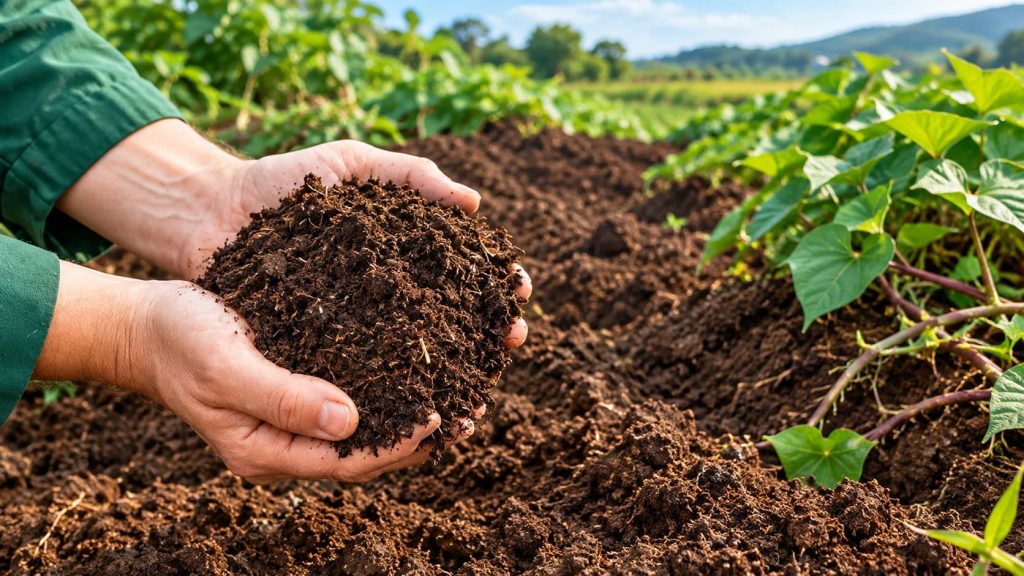
Before planting, remove weeds and break up compacted soil. If the soil is poor, adding compost can improve its structure and provide nutrients for young plants.
For containers, use a high-quality potting mix that drains well.
Step 3: Sow the Seeds
Plant chive seeds shallowly according to the instructions on the seed packet.
If planting outdoors, you can sow the seeds directly into prepared soil after the risk of severe cold has passed.
If starting seeds indoors, sow them in small containers or seed trays.
Keep the soil lightly moist while waiting for germination.
Step 4: Provide Light and Moisture
Place seed containers in a bright location.
Water gently whenever the surface of the soil begins to dry. Avoid soaking the soil or allowing water to remain around the roots.
Once the seedlings emerge, continue providing plenty of light.
Step 5: Thin or Transplant the Seedlings
When the seedlings become large enough to handle, thin overcrowded plants or transplant them into larger containers.
Give each plant enough space to develop into a healthy clump.
Chives can take some time to become fully established, so be patient during the early stages of growth.
How to Grow Chives From Divisions
One of the easiest ways to propagate chives is by dividing an established plant.
Over time, chives naturally form dense clumps. These clumps can be divided into smaller sections and replanted.
To divide chives, carefully dig up a mature clump and gently separate the roots into smaller sections. Each division should have several healthy shoots and a portion of the root system.
Replant the divisions immediately in well-prepared soil.
Water thoroughly after planting and keep the soil consistently moist while the new divisions establish their roots.
Dividing chives is especially useful if you already have a large, healthy plant. It allows you to create multiple new plants without purchasing additional seeds or nursery plants.
Where to Plant Chives
Choosing the right location is an important part of learning how to grow chives.
Chives grow well in herb gardens, vegetable gardens, raised beds, borders, and containers.
Choose a location with good sunlight and adequate air circulation.
Although chives can tolerate partial shade, plants generally produce stronger and more abundant growth when they receive plenty of sunlight.
Avoid locations where water regularly collects after rain. While chives like consistent moisture, their roots should not remain in waterlogged soil.
If you are planting chives in a garden bed, leave enough space between plants for the clumps to expand.
Chives can also be planted near other herbs and vegetables, making them a convenient addition to mixed garden beds.
How Much Sunlight Do Chives Need?
Chives generally grow best with 6 to 8 hours of sunlight per day.
Full sun encourages strong growth and helps the plant produce plenty of healthy green leaves.
However, chives can also tolerate partial shade. This makes them a useful herb for gardens that do not receive full sunlight throughout the day.
If your chives receive too little light, the leaves may become thin, weak, or stretched.
When growing chives indoors, place the container near the brightest window available.
Rotate the pot occasionally so that the plant receives light evenly.
If natural sunlight is limited during winter, supplemental grow lighting may help indoor chives continue producing fresh leaves.
Best Soil for Growing Chives
Chives prefer fertile, well-draining soil that holds enough moisture to support healthy growth without becoming waterlogged.
A soil rich in organic matter can help chives grow vigorously.
Before planting, mix compost into poor or compacted soil to improve drainage and soil structure.
For container-grown chives, choose a quality potting mix that drains well.
Make sure the container has drainage holes at the bottom. This allows excess water to escape and helps protect the roots from staying too wet.
Chives are not extremely demanding when it comes to soil, but they generally perform best in moderately fertile soil with good drainage.
How Often Should You Water Chives?
Chives prefer consistent moisture, especially while young plants are establishing their root systems.
Water when the top layer of soil begins to dry.
During hot and dry weather, chives may need more frequent watering. Container-grown plants can also dry out faster than plants growing directly in the ground.
Avoid allowing the soil to become completely dry for extended periods, particularly during active growth.
At the same time, avoid excessive watering. Constantly wet soil can contribute to root problems.
A simple way to check whether your chives need water is to feel the soil with your finger. If the top inch feels dry, it may be time to water.
Water deeply enough to moisten the root zone, then allow excess water to drain away.
How to Grow Chives in Pots
Growing chives in containers is easy and convenient.
Choose a container that is at least 6 to 8 inches deep and has drainage holes. If you want to grow a larger clump, choose a wider pot.
Fill the container with a well-draining potting mix and plant your chives at an appropriate depth.
Place the pot in a sunny location such as a patio, balcony, deck, or windowsill.
One of the main advantages of growing chives in containers is convenience. You can keep the plant close to your kitchen and harvest fresh leaves whenever you need them.
However, containers can dry out more quickly than garden soil, so check the moisture level regularly.
If your chive plant becomes crowded after several seasons, divide the clump and replant the sections in fresh soil.
How to Grow Chives Indoors
Chives are one of the easiest herbs to grow indoors.
A sunny windowsill can provide a convenient growing space for a small pot of chives.
Choose a container with drainage holes and fill it with a well-draining potting mix.
Place the pot in a bright location where it receives several hours of sunlight each day.
Water when the soil begins to dry, but avoid keeping it constantly wet.
Indoor chives may grow more slowly than outdoor plants, especially during winter when natural light levels are lower.
Harvest the leaves regularly to encourage fresh growth.
If the plant becomes thin or weak, move it to a brighter location or provide additional light.
Growing chives indoors is particularly useful if you want fresh herbs available throughout the year.
How to Fertilize Chives
Chives are not heavy feeders, but they benefit from fertile soil.
If you planted them in soil enriched with compost, they may require little additional fertilizer.
During the active growing season, a light application of a balanced fertilizer can support healthy growth if the soil lacks nutrients.
Container-grown chives may need occasional feeding because nutrients can gradually become depleted from the potting mix.
Avoid excessive fertilizer, as too much can encourage rapid growth without necessarily improving the plant’s overall health.
Always follow the instructions on the fertilizer label and apply only the recommended amount.
Adding compost to the soil once or twice a year can also help maintain fertility naturally.
How to Prune Chives
Pruning chives is simple because harvesting naturally acts as a form of pruning.
Use clean scissors to cut the leaves approximately 1 to 2 inches above the soil.
Avoid pulling the leaves by hand because cutting creates a cleaner harvest and reduces unnecessary damage to the plant.
Regular harvesting encourages the plant to produce new leaves.
If the flowers have finished blooming and you do not want the plant to produce seeds, you can remove the spent flower heads.
However, you may choose to leave some flowers on the plant because chive blossoms are attractive and can provide a food source for pollinators.
If the plant becomes overcrowded, dividing the clump is usually more effective than simply cutting it back.
When to Harvest Chives
You can begin harvesting chives once the plant has developed enough healthy green growth.
For the best flavor, harvest young, tender leaves.
Use clean scissors to cut the leaves close to the base while leaving enough growth for the plant to continue producing new leaves.
Avoid removing all the leaves at once. Regular harvesting is better than taking too much of the plant in a single session.
Fresh chives have the strongest flavor when used soon after harvesting.
You can chop the leaves and add them directly to salads, soups, potatoes, eggs, sauces, vegetables, and other dishes.
Because chives grow back quickly, you can often harvest them repeatedly throughout the growing season.
How to Preserve Fresh Chives
Fresh chives are best used soon after harvesting, but you can preserve excess leaves for later use.
One simple method is freezing.
Wash the chives gently if necessary and dry them thoroughly. Chop the leaves into small pieces and place them in a freezer-safe container or bag.
You can also freeze chopped chives in small portions for convenient use in cooking.
Another option is to dry chives, although dried chives generally have a milder flavor than fresh or frozen chives.
If you choose to dry them, use a food dehydrator or another suitable drying method.
Store dried chives in an airtight container in a cool, dark location.
For the best flavor, use preserved chives within a reasonable period and replace them when their aroma becomes noticeably weaker.
Can You Eat Chive Flowers?
Yes, chive flowers are edible.
The flowers have a mild onion flavor and can be used as an attractive garnish for salads and other dishes.
You can separate the individual small flowers from the flower head and sprinkle them over food.
Chive blossoms can also be used to add color and flavor to homemade dishes.
If you want your plant to continue producing leaves rather than focusing on seed production, you can remove flowers as they fade.
However, leaving some flowers on the plant can benefit pollinators and add beauty to your garden.
Common Problems When Growing Chives
Chives are generally easy to grow, but they can still experience a few common problems.
Yellow Leaves
Yellow leaves can be caused by overwatering, poor drainage, nutrient problems, or natural aging.
Check the soil moisture and make sure excess water can drain freely.
If the plant is overcrowded, dividing the clump may also improve its overall health.
Thin or Weak Growth
If chives become thin and weak, insufficient sunlight may be the problem.
Move the plant to a brighter location if possible.
Regular harvesting can also encourage fresh growth.
Overcrowded Plants
Chives naturally form dense clumps over time.
If the plant becomes too crowded, divide it and replant the sections.
Dividing every few years can help maintain vigorous growth.
Pests
Chives are relatively resistant to many common garden pests, but insects can occasionally appear.
Inspect the leaves regularly and look for signs of damage.
Maintaining healthy plants, good airflow, and appropriate watering can help reduce many common garden problems.
How to Keep Chives Healthy
Keeping chives healthy does not require complicated care.
Follow these simple tips:
- Plant chives in a sunny location.
- Use fertile, well-draining soil.
- Water consistently during active growth.
- Avoid keeping the soil constantly waterlogged.
- Harvest leaves regularly.
- Divide overcrowded plants every few years.
- Remove damaged or dead growth.
- Provide good air circulation.
- Add compost to maintain soil fertility.
- Protect container plants from extreme weather when necessary.
The most important thing is to create a balance between moisture, sunlight, and good drainage.
Once established, chives are generally easy to maintain and can provide fresh leaves for many seasons.
Do Chives Come Back Every Year?
Yes. Chives are perennial herbs and can return every year in many climates.
During colder months, the leaves may die back or become dormant. However, the roots can survive underground and produce fresh shoots when temperatures rise again in spring.
In mild climates, chives may remain green throughout much of the year.
In colder areas, you can allow the plants to die back naturally and wait for new growth in spring.
Container-grown chives may need additional protection during extremely cold weather. Moving pots to a sheltered location can help protect the roots from severe freezing conditions.
How to Prepare Chives for Winter
Preparing chives for winter is relatively simple.
In colder climates, allow the foliage to die back naturally after the first hard frost.
Once the leaves have turned brown or dried, remove the dead foliage.
A light layer of mulch around the base of the plant can help protect the roots from extreme temperature changes.
Avoid keeping the soil excessively wet during cold weather.
In spring, new green shoots will usually emerge as temperatures become warmer.
If you grow chives in containers, consider moving the pots to a sheltered location during periods of severe cold.
With proper care, the plants can resume growth when the weather improves.
Frequently Asked Questions About Growing Chives
How long does it take for chives to grow?
Chives grown from seed can take several weeks to germinate and establish. Young nursery plants or divided clumps usually provide harvestable leaves more quickly.
Do chives need full sun?
Chives grow best with around 6 to 8 hours of sunlight per day, although they can tolerate partial shade.
How often should I water chives?
Water when the top layer of soil begins to dry. Chives prefer consistent moisture but do not like constantly waterlogged soil.
Can I grow chives indoors?
Yes. Chives are excellent indoor herbs. Place them near a sunny window and use a well-draining container.
Can chives grow in pots?
Yes. Chives grow very well in containers. Choose a pot with drainage holes and place it in a sunny location.
How do I make chives grow thicker?
Regular harvesting encourages new growth. Cut the leaves close to the base while leaving enough foliage for the plant to continue growing.
Should I cut off chive flowers?
You do not have to remove chive flowers. They are edible and attractive to pollinators. However, removing spent flowers can help prevent unwanted self-seeding.
Why are my chives turning yellow?
Yellow leaves can result from overwatering, poor drainage, nutrient issues, or natural aging. Check the soil moisture and growing conditions.
Do chives come back every year?
Yes. Chives are perennial plants that can return every spring in suitable climates.
Can I grow chives from cuttings?
Chives are usually propagated by seeds or division rather than traditional stem cuttings. Dividing an established clump is one of the easiest ways to create new plants.
When should I harvest chives?
Harvest chives once they have developed enough healthy green leaves. Cut the leaves close to the base using clean scissors.
Can you eat chive flowers?
Yes. Chive flowers are edible and have a mild onion flavor. The individual flowers can be used as a garnish or added to salads and other dishes.
Final Thoughts on How to Grow Chives
Learning how to grow chives is a simple and rewarding project for gardeners of all experience levels. These hardy perennial herbs can thrive in garden beds, raised beds, containers, and sunny indoor spaces.
The most important things to remember are to provide enough sunlight, use well-draining soil, and keep the plants consistently watered without overwatering.
Regular harvesting helps encourage fresh growth, while dividing mature clumps can keep plants healthy and productive for many years.
Whether you are growing your first herb garden or simply want fresh ingredients close to your kitchen, chives are an excellent choice. They require relatively little maintenance, produce attractive flowers, and provide a convenient supply of fresh green leaves throughout the growing season.
Start with a sunny location, give your chives good soil and regular moisture, and harvest the leaves as needed. With just a little care, you can enjoy homegrown chives season after season.