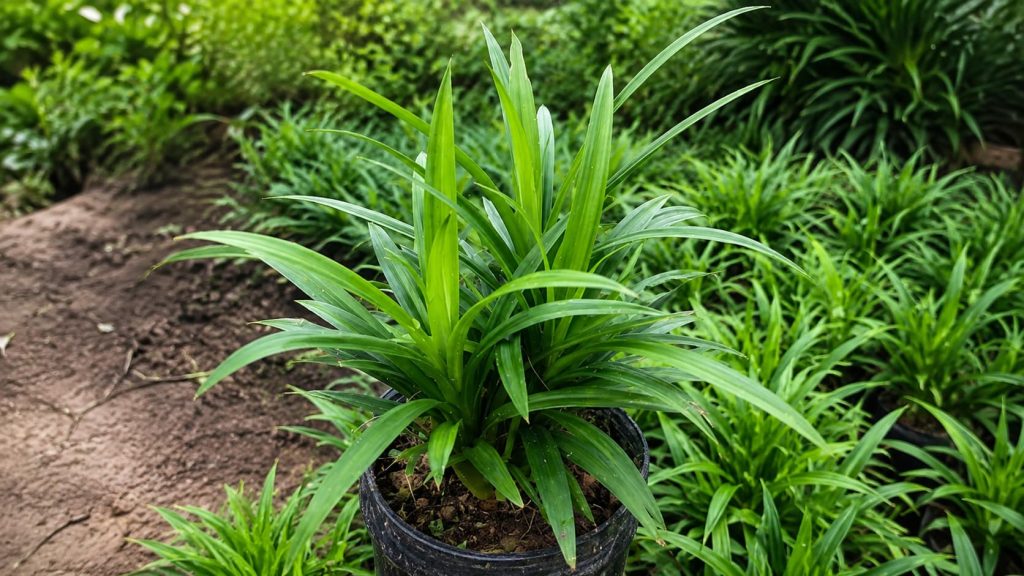
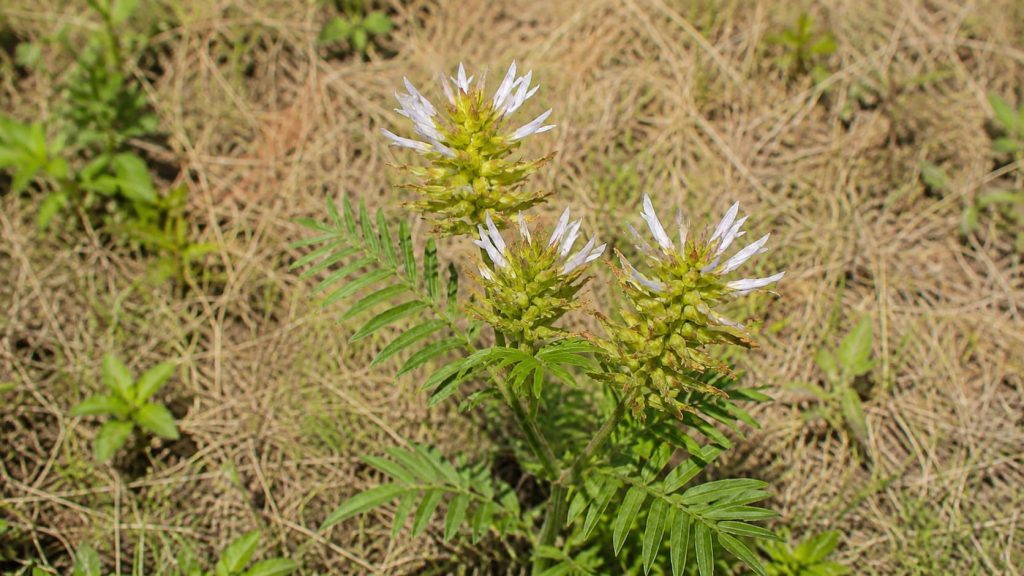
Learning how to grow cilantro is a great way to add a fresh, flavorful herb to your home garden. Cilantro is one of the most popular culinary herbs and is commonly used in Mexican, Indian, Thai, Vietnamese, and other cuisines around the world.
The fresh leaves have a distinctive citrusy, herbal flavor that works well in salsa, tacos, curries, soups, salads, rice dishes, sauces, and many other recipes. The seeds of the cilantro plant are also harvested and used as a spice known as coriander.
One of the best things about growing cilantro is that you do not need a large garden. Cilantro can be grown in a vegetable garden, raised bed, container, patio planter, or even indoors with enough sunlight.
However, cilantro can be slightly different from herbs such as thyme, oregano, and rosemary. It prefers cooler temperatures and can quickly produce flowers and seeds when exposed to hot weather. This process is called bolting.
The key to growing a steady supply of fresh cilantro is to provide the right growing conditions and plant new seeds regularly.
In this complete guide, you will learn how to grow cilantro from seed, where to plant it, how much sunlight it needs, how often to water it, how to grow cilantro in containers, how to prevent bolting, when to harvest cilantro, and how to save coriander seeds for future use.
What Is Cilantro?
Cilantro is an annual herb that belongs to the Apiaceae family. Its botanical name is Coriandrum sativum.
The plant has delicate green leaves and produces small white or pale pink flowers when it matures.
In the United States and Canada, the fresh leaves are generally called cilantro, while the dried seeds are known as coriander.
The entire plant is edible, but the leaves and seeds are used differently.
Fresh cilantro leaves are commonly added to dishes shortly before serving to preserve their fresh flavor. Coriander seeds have a warmer, slightly citrusy flavor and are often used in spice blends, curries, baked goods, pickles, and other recipes.
Cilantro grows quickly compared with many perennial herbs, but it also has a relatively short growing cycle.
Once temperatures become consistently warm, cilantro may begin flowering and producing seeds.
For this reason, succession planting is one of the best strategies for maintaining a continuous harvest.
How to Grow Cilantro
Cilantro is relatively easy to grow when planted during the right season.
The plant prefers cool weather, fertile soil, regular moisture, and good sunlight.
Here are the basic growing requirements:
- Sunlight: About 4 to 6 hours of sunlight per day
- Soil: Loose, fertile, well-draining soil
- Water: Consistent moisture without waterlogging
- Temperature: Cool to moderate temperatures
- Spacing: About 2 to 4 inches between plants for leaf production
- Soil pH: Slightly acidic to neutral
- Growing method: Best grown directly from seed
Unlike some herbs, cilantro does not always transplant well because of its long taproot.
For this reason, direct sowing is usually the easiest and most reliable way to grow cilantro.
How to Grow Cilantro From Seed
Growing cilantro from seed is simple and inexpensive.
In fact, direct sowing is generally preferred because cilantro develops a long taproot that can be disturbed during transplanting.
Step 1: Choose the Right Location
Choose a location that receives several hours of sunlight each day.
In cooler climates, cilantro can grow in full sun.
In warmer climates, some afternoon shade can help slow down bolting and extend the harvest.
Step 2: Prepare the Soil
Cilantro grows best in loose, fertile soil that drains well.
Remove weeds and break up compacted soil before planting.
Adding compost can improve soil structure and provide nutrients for healthy growth.
If growing cilantro in containers, choose a quality potting mix that drains well.
Step 3: Sow the Seeds
Plant cilantro seeds directly into the prepared soil.
Cover them lightly with soil and water gently.
Keep the soil consistently moist while the seeds are germinating.
Avoid allowing the soil to dry out completely.
Step 4: Wait for Germination
Cilantro seeds typically germinate within a couple of weeks under suitable conditions.
Keep the soil moist and provide adequate sunlight.
Once seedlings emerge, continue caring for them as they develop.
Step 5: Thin the Seedlings
If the plants are growing too close together, thin them carefully.
Giving plants enough space improves air circulation and allows each plant to develop properly.
You can use the young thinned seedlings in cooking if they are large enough to handle.
When Is the Best Time to Plant Cilantro?
Timing is extremely important when learning how to grow cilantro.
Cilantro prefers cool weather and may bolt quickly when temperatures become hot.
For many gardeners, early spring is an excellent time to plant cilantro.
You can also plant it in late summer or early fall for a cool-season harvest.
In areas with mild winters, cilantro can often be grown throughout much of the cooler season.
If you live in a hot climate, consider growing cilantro during the coolest months of the year.
Instead of planting a large amount of cilantro all at once, sow a small amount of seed every few weeks.
This method is called succession planting and can help provide fresh leaves over a longer period.
Where to Plant Cilantro
Cilantro can grow successfully in many different garden settings.
Good locations include:
- Vegetable gardens
- Herb gardens
- Raised beds
- Container gardens
- Patio planters
- Balcony gardens
- Sunny indoor spaces
Choose a location with good drainage and adequate sunlight.
In hot climates, planting cilantro where it receives morning sun and afternoon shade can help protect it from excessive heat.
Avoid areas where water regularly collects after rain.
Although cilantro needs consistent moisture, the roots should not remain in standing water.
How Much Sunlight Does Cilantro Need?
Cilantro generally grows well with 4 to 6 hours of sunlight per day.
In cooler climates, it can tolerate more direct sunlight.
In hot areas, providing some afternoon shade can help keep the plant cooler and may delay bolting.
If cilantro receives too little sunlight, it may become thin and weak.
When growing cilantro indoors, place the container near a bright window.
Rotate the pot occasionally so that the plant receives light evenly.
If natural light is limited, especially during winter, supplemental lighting may help support healthy growth.
Best Soil for Growing Cilantro
Cilantro prefers loose, fertile soil with good drainage.
The soil should hold enough moisture to support steady growth but should not remain saturated.
Before planting, mix compost into poor soil to improve fertility and structure.
For container-grown cilantro, use a high-quality potting mix.
Avoid heavy, compacted soil because it can restrict root development and hold too much moisture.
Good soil preparation is particularly important because cilantro grows relatively quickly and needs access to adequate nutrients during its short growing season.
How Often Should You Water Cilantro?
Cilantro prefers consistently moist soil.
Water when the top layer of soil begins to dry.
During hot or dry weather, plants may need more frequent watering.
Container-grown cilantro can also dry out quickly, so check the soil regularly.
Avoid overwatering or allowing the plant to sit in standing water.
Excess moisture can contribute to root problems and other plant health issues.
A simple way to check moisture is to insert your finger into the soil.
If the top inch feels dry, it may be time to water.
Water deeply enough to moisten the root zone and allow excess water to drain away.
How to Grow Cilantro in Pots
Growing cilantro in containers is a convenient option for small gardens and balconies.
Choose a container that is at least 8 inches deep and has drainage holes.
Because cilantro develops a relatively long taproot, a deeper pot is preferable to a very shallow container.
Fill the pot with a well-draining potting mix.
Sow the seeds directly into the container and keep the soil moist while they germinate.
Place the pot in a sunny location.
During hot weather, move the container to a location with some afternoon shade.
One advantage of container gardening is that you can move the plant if temperatures become too high.
For a continuous supply of fresh cilantro, sow new seeds in another container every few weeks.
How to Grow Cilantro Indoors
Cilantro can be grown indoors, but sufficient light is essential.
Choose a container with drainage holes and fill it with a quality potting mix.
Sow the seeds directly into the pot.
Place the container near a bright, sunny window.
Cilantro grown indoors may need more light than you expect, especially during winter.
If the plant becomes tall, thin, or weak, insufficient light may be the problem.
Move the container closer to a brighter window or provide supplemental lighting.
Keep the soil lightly moist but avoid excessive watering.
Growing cilantro indoors can provide fresh leaves for cooking, although the plant may still eventually flower and produce seeds.
How to Prevent Cilantro From Bolting
Bolting is one of the biggest challenges when growing cilantro.
Bolting occurs when the plant stops focusing on leaf production and begins producing flowers and seeds.
Hot weather is one of the main triggers.
Once cilantro bolts, the leaves may become less abundant and develop a stronger or more bitter flavor.
To help delay bolting:
- Plant cilantro during cooler weather.
- Provide afternoon shade in hot climates.
- Keep the soil consistently moist.
- Use succession planting.
- Harvest leaves regularly.
- Plant new seeds every few weeks.
Even with excellent care, cilantro will eventually flower and produce seeds.
Instead of viewing bolting as a problem, you can allow some plants to flower and harvest the coriander seeds.
How to Grow Cilantro for a Continuous Harvest
One of the best ways to enjoy fresh cilantro for longer is succession planting.
Instead of planting all your seeds at the same time, sow a small amount every 2 to 3 weeks.
As one group begins to mature and eventually bolts, younger plants will already be growing nearby.
This creates a rotating supply of fresh cilantro.
You can use this method in garden beds or containers.
For small-space gardeners, planting cilantro in several pots at different times can be especially effective.
Succession planting is often more reliable than trying to keep a single cilantro plant productive for the entire growing season.
How to Fertilize Cilantro
Cilantro generally does well in fertile soil and does not require heavy feeding.
Adding compost before planting can provide nutrients throughout the growing season.
If the soil is poor or the plants appear to be growing slowly, a light application of a balanced fertilizer may help.
Container-grown cilantro may benefit from occasional feeding because nutrients can become depleted from the potting mix.
Avoid excessive fertilizer.
Too much fertilizer can encourage excessive leafy growth without necessarily improving the overall quality of the plant.
Always follow the instructions on the fertilizer label.
When to Harvest Cilantro
You can begin harvesting cilantro once the plants have developed enough healthy leaves.
Use clean scissors to cut the outer leaves and stems.
Avoid removing too much foliage at once.
Harvesting regularly can provide a steady supply of fresh leaves while the plant remains productive.
For the best flavor, use cilantro soon after harvesting.
Add freshly chopped leaves to tacos, salsa, curries, soups, salads, rice dishes, sauces, and many other recipes.
Because cilantro grows quickly and eventually bolts, succession planting is a useful way to maintain a continuous supply.
How to Harvest Coriander Seeds
If you allow some cilantro plants to flower, they will eventually produce seeds.
After flowering, small green seeds begin to develop.
Allow the seed heads to mature and dry on the plant.
When the seeds turn brown and become dry, carefully harvest them.
Place the seed heads in a paper bag or container and allow them to dry completely.
Once dry, gently separate the seeds from the remaining plant material.
These dried seeds are known as coriander seeds and can be used as a culinary spice.
You can also save some seeds for planting next season.
Store them in a cool, dry place in an airtight container.
How to Store Fresh Cilantro
Fresh cilantro is best used soon after harvesting, but proper storage can help extend its freshness.
One method is to place the stems in a glass or jar containing a small amount of water.
Loosely cover the leaves with a plastic bag and store the container in the refrigerator.
Another method is to wrap the cilantro loosely in a damp paper towel and place it inside a storage bag or container.
Avoid crushing the leaves.
For longer-term storage, cilantro can also be frozen.
Chopped frozen cilantro works well in cooked dishes, sauces, soups, and other recipes.
However, freezing may change the texture, so fresh cilantro is generally preferred for salads and garnishes.
Common Problems When Growing Cilantro
Cilantro is relatively easy to grow, but several problems can occur.
Cilantro Is Bolting Too Quickly
High temperatures are the most common reason cilantro bolts early.
Plant during cooler weather and provide afternoon shade when temperatures rise.
Succession planting is the best way to maintain a continuous harvest.
Yellow Leaves
Yellow leaves can be caused by overwatering, poor drainage, nutrient problems, or natural aging.
Check the soil moisture and make sure excess water can drain away.
Leggy Growth
Thin, stretched plants may not be receiving enough sunlight.
Move them to a brighter location if possible.
Slow Germination
Cilantro seeds may take some time to germinate.
Keep the soil consistently moist and avoid allowing it to dry out during the germination period.
Pests
Cilantro can occasionally attract aphids and other insects.
Inspect the plant regularly, especially the undersides of leaves and new growth.
Maintaining healthy growing conditions and good air circulation can help reduce many pest problems.
How to Keep Cilantro Healthy
Follow these simple tips to keep cilantro growing well:
- Plant cilantro during cool weather.
- Use fertile, well-draining soil.
- Keep the soil consistently moist.
- Provide 4 to 6 hours of sunlight.
- Give afternoon shade in hot climates.
- Avoid overwatering.
- Harvest leaves regularly.
- Practice succession planting.
- Remove severely damaged foliage.
- Allow some plants to flower if you want coriander seeds.
The key to successful cilantro growing is understanding its short life cycle.
Rather than expecting one plant to provide leaves indefinitely, grow new plants regularly.
Does Cilantro Come Back Every Year?
Cilantro is generally grown as an annual herb.
Once the plant flowers and produces seeds, it naturally completes its life cycle.
However, cilantro can sometimes reseed itself.
If you allow mature seeds to fall into the garden, new cilantro plants may emerge during a suitable growing season.
In some areas, this can create a continuous supply of cilantro without additional planting.
You can also collect mature coriander seeds and intentionally sow them in another location.
Frequently Asked Questions About Growing Cilantro
How long does cilantro take to grow?
Cilantro grows relatively quickly. Under suitable conditions, you can begin harvesting young leaves within several weeks after germination.
Does cilantro need full sun?
Cilantro generally grows well with 4 to 6 hours of sunlight per day. In hot climates, some afternoon shade can help delay bolting.
How often should I water cilantro?
Water when the top layer of soil begins to dry. Cilantro prefers consistent moisture but does not like waterlogged soil.
Can I grow cilantro in a container?
Yes. Cilantro grows well in containers. Choose a pot at least 8 inches deep with drainage holes.
Can cilantro grow indoors?
Yes. Cilantro can grow indoors near a bright window. It may need supplemental lighting if natural sunlight is limited.
Why does my cilantro bolt so quickly?
Cilantro often bolts when temperatures become hot. Planting during cooler weather, providing afternoon shade, and succession planting can help extend your harvest.
How do I keep cilantro growing longer?
Plant cilantro every few weeks instead of planting everything at once. This succession planting method provides younger plants as older ones begin to flower.
Can I grow cilantro from coriander seeds?
Yes. Coriander seeds are the mature seeds of the cilantro plant and can be used to grow new cilantro plants.
Can I eat cilantro flowers?
Yes. Cilantro flowers are edible, although they have a different flavor from the young leaves. They can also attract beneficial pollinators.
When should I harvest cilantro?
Harvest cilantro once the plants have developed enough healthy leaves. Cut the outer stems and leaves while leaving the rest of the plant intact.
Does cilantro come back every year?
Cilantro is generally an annual plant, but it can reseed itself if mature seeds are allowed to fall into the garden.
What is the difference between cilantro and coriander?
Cilantro generally refers to the fresh leaves and stems, while coriander usually refers to the dried seeds produced by the same plant.
Final Thoughts on How to Grow Cilantro
Learning how to grow cilantro is a rewarding project for beginner gardeners and experienced growers alike. This fast-growing herb is useful in many types of cooking and can be grown in garden beds, raised beds, containers, and indoor spaces.
The most important thing to remember is that cilantro prefers cool weather. When temperatures become hot, the plant may bolt and begin producing flowers and seeds.
Instead of trying to keep one plant growing forever, use succession planting to maintain a steady supply of fresh leaves.
Plant a small amount of cilantro seeds every few weeks, provide fertile soil, maintain consistent moisture, and give the plants enough sunlight. In hot climates, some afternoon shade can help extend the harvest.
Once cilantro begins to flower, you can allow it to produce coriander seeds. These seeds can be harvested for cooking or saved for future planting.
With the right timing and simple care, you can enjoy fresh cilantro throughout the cooler growing seasons and make the most of every part of this versatile herb.