Tuscan Blue Rosemary is a popular type of rosemary known for its upright growth, fragrant evergreen leaves, and beautiful blue flowers. It is a great choice for herb gardens, containers, borders, and sunny landscapes.
With plenty of sunlight, well-draining soil, and careful watering, Tuscan Blue Rosemary is relatively easy to grow. Its aromatic leaves can also be harvested for cooking, making this plant both attractive and useful in the garden.
What Is Tuscan Blue Rosemary?
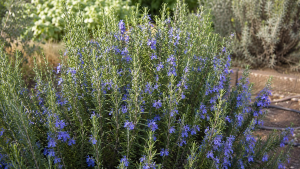
Tuscan Blue Rosemary is an upright-growing type of rosemary with narrow, needle-like evergreen leaves and fragrant foliage. It can produce small blue to violet-blue flowers when grown in suitable conditions.
Unlike creeping or trailing rosemary, which spreads along the ground or grows downward from containers, Tuscan Blue Rosemary has a more upright and bushy growth habit.
This makes it a good option for herb gardens, raised beds, borders, and containers. The fragrant leaves can be harvested and used to flavor roasted vegetables, potatoes, soups, breads, and other dishes.
How to Grow Tuscan Blue Rosemary
Growing Tuscan Blue Rosemary is relatively simple when the plant receives the conditions it prefers.
Choose a sunny location with good air circulation and well-draining soil. Avoid areas where water collects after rain, as rosemary does not grow well in consistently wet conditions.
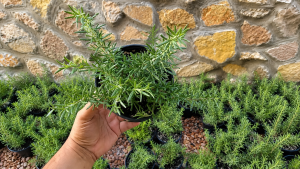
If growing in a container, choose a pot with drainage holes and use a light, well-draining potting mix. A healthy nursery plant is often the easiest option for beginners, although rosemary can also be propagated from cuttings.
Once established, Tuscan Blue Rosemary is relatively drought tolerant and requires less maintenance than many other garden herbs.
How Much Sun Does Tuscan Blue Rosemary Need?
Tuscan Blue Rosemary grows best in full sun and generally needs at least 6 hours of direct sunlight each day.
Good sunlight helps the plant maintain strong growth, healthy foliage, and its characteristic fragrance. Plants that do not receive enough light may become thin and leggy.
If growing rosemary indoors, place it near a bright, sunny window. Container-grown plants can also be moved to a sunnier location when necessary.
What Is the Best Soil for Tuscan Blue Rosemary?
The best soil for Tuscan Blue Rosemary is light, loose, and well-draining.
Rosemary prefers soil that allows excess water to drain away quickly. Sandy or loamy soil is often suitable, while heavy clay soil may hold too much moisture around the roots.
If your garden soil drains poorly, consider growing the plant in a raised bed or container. When planting in a pot, always use a container with drainage holes.
For rosemary, good drainage is usually more important than highly fertile soil.
How Often Should You Water Tuscan Blue Rosemary?
Tuscan Blue Rosemary is relatively drought tolerant once established and does not like constantly wet soil.
Newly planted rosemary needs more regular watering while its roots become established. After that, allow the soil to dry somewhat between waterings.
The watering frequency depends on the weather, soil, and growing location. Rosemary grown in containers usually dries out faster than plants growing in the ground.
Instead of following a fixed schedule, check the soil before watering. When the soil has dried somewhat, water deeply and allow excess moisture to drain away.
Overwatering is one of the most common problems when growing rosemary, so avoid keeping the roots constantly wet.
How to Fertilize Tuscan Blue Rosemary
Tuscan Blue Rosemary usually does not require heavy fertilization.
If the plant is growing in reasonably fertile soil, a light application of a balanced fertilizer during the growing season may be enough.
Container-grown rosemary may need occasional feeding because nutrients can become depleted more quickly in pots.
Avoid overfertilizing the plant. Too much fertilizer can encourage excessive soft growth and may reduce the plant’s natural fragrance and compact appearance.
How to Prune Tuscan Blue Rosemary
Pruning helps Tuscan Blue Rosemary maintain an attractive shape and encourages fresh growth.
Lightly trim the tips of branches throughout the growing season as needed. Regularly harvesting young stems can also help keep the plant bushy.
For larger plants, prune to control the size and shape. Remove dead, damaged, or weak branches when necessary.
Avoid cutting deeply into old, woody stems because rosemary may have difficulty producing new growth from very old wood.
Light and regular pruning is generally better than removing a large amount of growth at once.
How to Harvest Tuscan Blue Rosemary
Once the plant is established, you can harvest Tuscan Blue Rosemary throughout the growing season.
Use clean scissors or pruning shears to cut healthy sprigs. Young, tender stems are especially convenient for fresh culinary use.
Fresh rosemary can be used immediately, while extra sprigs can be dried and stored in an airtight container.
Regular harvesting can also encourage branching and help maintain a compact shape. However, avoid removing too much foliage at one time so the plant can continue growing strongly.
Tuscan Blue Rosemary vs. Other Rosemary Types
Rosemary comes in several growth forms and varieties, and each can be suited to a different garden style.
Tuscan Blue Rosemary has an upright, bushy growth habit and is a good choice for herb gardens and landscape planting.
Upright Rosemary generally refers to rosemary plants that grow vertically rather than spreading along the ground.
Creeping Rosemary has a spreading growth habit and can be used as ground cover or planted in rock gardens.
Trailing Rosemary has stems that grow outward and hang downward, making it suitable for containers and raised planting areas.
Dwarf Rosemary refers to smaller, more compact forms that work well in containers and small gardens.
If you want an upright rosemary plant with attractive foliage and culinary uses, Tuscan Blue Rosemary is an excellent option.
Can You Grow Tuscan Blue Rosemary in a Pot?
Yes, Tuscan Blue Rosemary can grow well in containers.
Choose a pot with drainage holes and fill it with a well-draining growing medium. Place the container in a sunny location where the plant can receive at least 6 hours of direct sunlight.
Avoid overwatering and allow the soil to dry somewhat between waterings.
As the plant grows, it may eventually become root-bound. When this happens, move it into a slightly larger container.
Growing Tuscan Blue Rosemary in a pot is also useful in colder climates because the container can be moved to a sheltered location during winter.
Common Problems When Growing Tuscan Blue Rosemary
Yellow Leaves
Yellow leaves are often associated with overwatering or poor drainage. Check the soil and make sure excess water can drain away quickly.
Leggy Growth
Thin, stretched growth may indicate that the plant is not receiving enough sunlight. Move it to a brighter location if possible.
Root Problems
Constantly wet soil can damage the roots. Improve drainage and avoid watering too frequently.
Woody Growth
Older rosemary plants naturally develop woody stems. Regular light pruning can help maintain a more attractive shape, but avoid cutting heavily into old wood.
Pests
Rosemary is relatively resistant to many common pests, but aphids and spider mites can occasionally affect the plant. Check the foliage regularly and address problems early.
Does Tuscan Blue Rosemary Flower?
Yes, Tuscan Blue Rosemary can produce attractive blue or violet-blue flowers.
The flowers add ornamental value and can attract pollinators such as bees and other beneficial insects.
Providing plenty of sunlight and maintaining healthy growing conditions can encourage flowering. The exact flowering period may vary depending on climate and growing conditions.
Frequently Asked Questions About Tuscan Blue Rosemary
Is Tuscan Blue Rosemary easy to grow?
Yes. It is generally easy to grow when provided with full sun, well-draining soil, and careful watering. Avoiding overwatering is especially important.
Does Tuscan Blue Rosemary need full sun?
Yes. It grows best with at least 6 hours of direct sunlight per day.
How often should I water Tuscan Blue Rosemary?
Water when the soil has dried somewhat. Established plants are relatively drought tolerant and usually prefer slightly dry conditions between waterings.
Can Tuscan Blue Rosemary grow indoors?
Yes, but it needs a bright location with plenty of direct sunlight and good air circulation. A sunny window is usually the best option.
Can I use Tuscan Blue Rosemary for cooking?
Yes. Its fragrant leaves can be harvested fresh or dried and used in many dishes, including roasted vegetables, potatoes, meats, soups, and breads.
Final Thoughts
Tuscan Blue Rosemary is an attractive and versatile herb that can bring fragrance, greenery, and culinary value to your garden.
It grows best in full sun and well-draining soil, and it generally requires less water once established. Regular light pruning and harvesting can help maintain a healthy, attractive plant.
If you want to learn more about growing rosemary, including its sunlight, watering, soil, pruning, and harvesting needs, visit this complete guide to Rosemary Plant for more information on how to grow and care for this fragrant herb.