How do you care for a lemon tree? The key is to provide plenty of sunlight, well-drained soil, regular watering, proper fertilization, and enough space for healthy growth. Lemon trees also benefit from occasional pruning and protection from extreme temperatures.
Whether you are growing a young lemon tree or caring for an established tree, understanding its basic needs can help it stay healthy and produce fruit for years.
How Much Sun Does a Lemon Tree Need?
Lemon trees need plenty of sunlight to grow well and produce fruit. In most cases, they should receive around 6 to 8 hours of direct sunlight each day.
Choose a sunny location protected from strong winds. Avoid areas where buildings, fences, or large trees block sunlight for much of the day. Good sunlight is especially important for flowering and fruit production.
If you grow a lemon tree in a container, place it in the sunniest location available. During hot weather, morning and afternoon sunlight can be beneficial, but extremely intense heat combined with dry soil can stress the tree.
How Often Should You Water a Lemon Tree?
Proper watering is one of the most important parts of lemon tree care.
Young lemon trees usually need more frequent watering than established trees because their root systems are still developing. Water deeply when the soil begins to dry instead of giving the tree small amounts of water every day.
The exact watering schedule depends on your climate, soil type, rainfall, and whether the tree grows in the ground or in a container. Check the soil around the root zone before watering. If the top few inches feel dry, it may be time to water.
Avoid keeping the soil constantly wet. Poor drainage and overwatering can cause root problems and yellow leaves. Container-grown lemon trees often dry out faster than trees planted in the ground, especially during warm weather.
The goal is moist soil with good drainage, not constantly soggy soil.
What Soil Is Best for Lemon Trees?
Lemon trees grow best in fertile, well-drained soil. Their roots do not perform well when they remain in constantly waterlogged conditions.
A slightly acidic to neutral soil is generally suitable. If your garden soil is heavy clay, improve drainage with appropriate organic matter and consider planting the tree in a raised area if necessary.
Before planting, loosen the soil so the roots can spread easily. Avoid locations where water regularly collects after heavy rain.
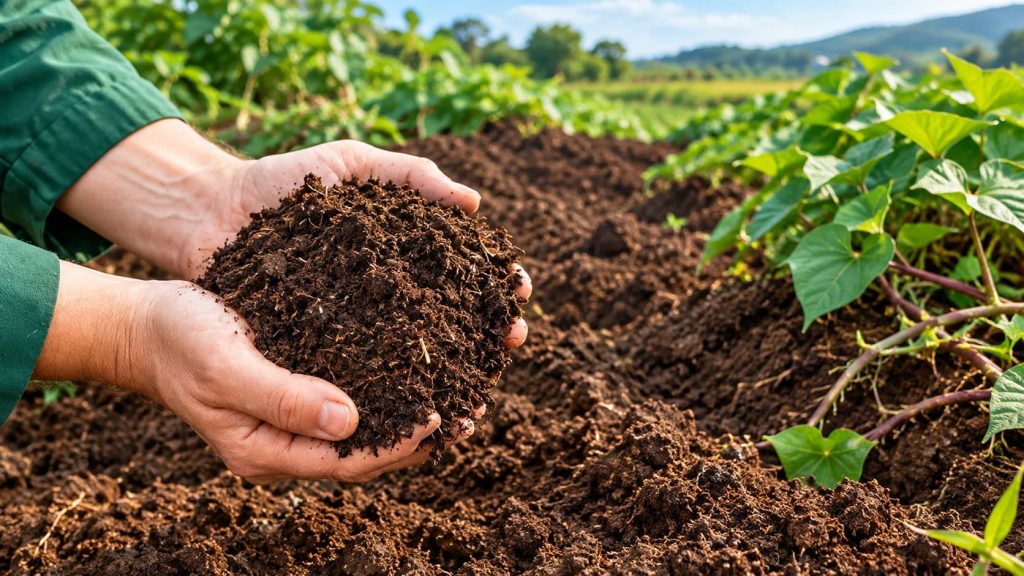
For container-grown lemon trees, use a high-quality potting mix that drains well and choose a container with drainage holes. Compost can also help improve soil structure and add organic matter.
Healthy soil supports strong root development, helping the tree absorb water and nutrients more effectively.
How Do You Fertilize a Lemon Tree?
Lemon trees are relatively heavy feeders and benefit from regular fertilization during active growth.
A citrus fertilizer formulated specifically for lemon trees is a convenient option. Following a consistent lemon tree care routine, including proper feeding, watering, and sunlight, can help support healthy growth and fruit production.
Nitrogen supports healthy leaf and stem growth, while nutrients such as potassium, calcium, magnesium, and iron also contribute to overall plant health.
Young trees may benefit from smaller, regular applications during the growing season. Mature trees may require more fertilizer depending on their size and soil fertility.
Always follow the fertilizer label and avoid excessive fertilizer. Too much can damage roots or create nutrient imbalances.
If your lemon tree has yellow leaves, poor growth, or reduced fruit production, do not immediately assume it needs more fertilizer. Watering, drainage, pests, diseases, and nutrient availability can cause similar symptoms. A soil test can help determine whether additional nutrients are actually needed.
How Do You Prune and Care for a Lemon Tree?
Lemon trees generally do not require heavy pruning, but occasional trimming can help maintain a healthy shape and improve air circulation.
Remove dead, damaged, or diseased branches when necessary. You can also remove branches that cross each other or grow inward through the center of the tree.
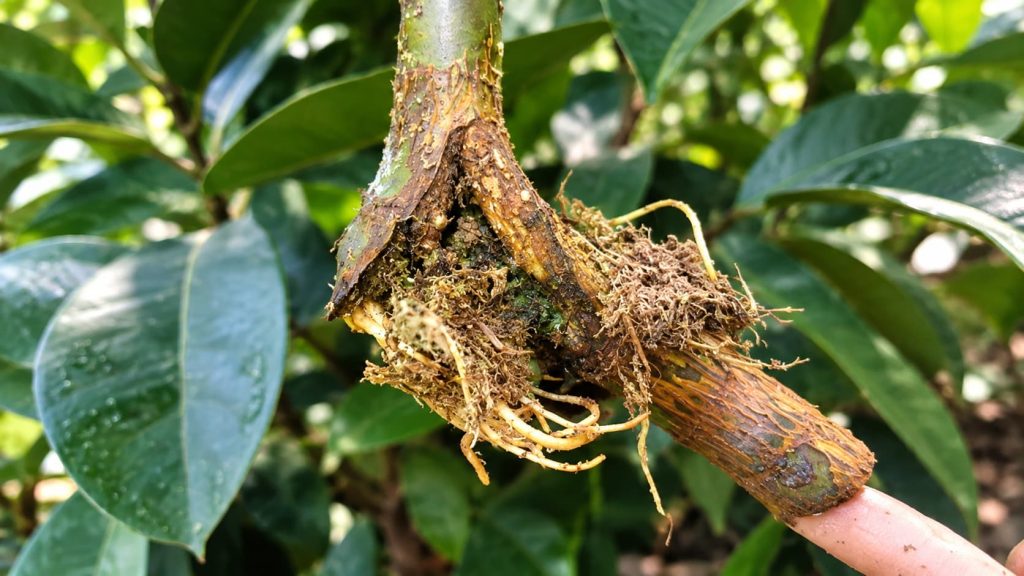
Young lemon trees should not be heavily pruned because they need their leaves to support healthy growth. On grafted trees, remove shoots growing from below the graft union because they can compete with the main tree.
Avoid excessive pruning, particularly during hot weather. Removing too much foliage can expose branches and the trunk to intense sunlight.
Use clean, sharp pruning tools and make clean cuts. The goal is to maintain a healthy structure, remove problem growth, and allow enough air and light to reach the canopy.
How Do You Care for a Lemon Tree in a Container?
Lemon trees can grow successfully in containers, making them suitable for patios, balconies, and small gardens.
Choose a container large enough for the tree’s root system and make sure it has adequate drainage holes. A container that is too small can restrict root growth and cause the soil to dry out quickly.
Use a well-draining potting mix designed for citrus or other fruit trees. Container-grown lemon trees also need regular watering because their soil dries out faster than garden soil.
They need regular feeding as well because nutrients can be lost when water drains through the container.
Place the container where the tree receives plenty of direct sunlight. If it becomes too large for its pot, consider moving it into a larger container.
In colder climates, container-grown lemon trees can sometimes be moved indoors or to a protected location during winter. Make sure they still receive enough light and keep them away from strong heat sources.
How Do You Protect a Lemon Tree From Pests, Diseases, and Cold?
Healthy lemon trees are generally better able to handle common pests and diseases, but regular inspection is still important.
Check the leaves and young shoots for aphids, scale insects, and other common citrus pests. Look for unusual spots, sticky residue, curled leaves, or damaged new growth.
Good air circulation and proper watering can help reduce some disease problems. Avoid keeping foliage constantly wet and provide enough space around the tree.
Cold temperatures can also damage lemon trees. Most varieties prefer warm conditions and may suffer when exposed to freezing temperatures.
If cold weather is expected, protect young trees with appropriate frost protection. Container-grown trees can often be moved to a sheltered location when possible.
Avoid heavy fertilization just before cold weather because tender new growth can be more sensitive to cold temperatures.
Regularly checking your lemon tree makes it easier to identify problems early. Before making major changes, check the watering, drainage, sunlight, and soil conditions.
How Do You Care for a Lemon Tree to Produce Fruit?
Good lemon production depends on overall tree health rather than fertilizer alone.
A lemon tree needs enough sunlight, water, nutrients, and suitable temperatures to flower and produce fruit. Some trees can produce fruit throughout much of the year in warm climates, while others have more defined flowering and fruiting periods.
If your tree flowers but produces few lemons, environmental conditions may be affecting fruit development. Lack of sunlight, extreme temperatures, inconsistent watering, and poor nutrition can all play a role.
Young trees may also need time before they begin producing significant amounts of fruit.
When lemons begin developing, maintain consistent soil moisture. Avoid allowing the tree to become severely dry and then watering heavily.
Once the fruit reaches its mature size and develops the expected color and flavor, it can be harvested. The exact harvest time depends on the variety and growing conditions.
For the best long-term results, focus on consistent care rather than trying to force rapid growth or fruit production.
Final Thoughts
So, how do you care for a lemon tree? Start by giving it plenty of sunlight, well-drained soil, consistent moisture, and regular nutrition. Lemon trees also benefit from occasional pruning, good air circulation, and protection from extreme cold.
Whether your tree grows in the ground or in a container, regular observation is one of the best ways to keep it healthy. Check the soil before watering, inspect leaves for pests, and watch for changes in growth or fruit production.
With the right conditions and consistent care, a lemon tree can become a productive and attractive addition to your garden. By meeting its basic needs throughout the growing season, you can encourage healthy growth and enjoy fresh lemons from your own tree.