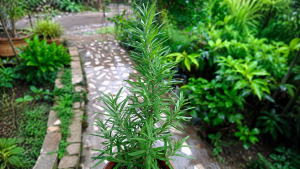
The rosemary plant is a popular aromatic herb loved by gardeners for its fragrant needle-like leaves, attractive appearance, and versatility in the kitchen. Native to the Mediterranean region, rosemary thrives in warm, sunny conditions and can be grown in outdoor gardens, raised beds, containers, and even indoors with the right care.
Besides being a useful culinary herb, rosemary is also an attractive evergreen plant that can add texture and fragrance to your garden. Once established, a rosemary plant is relatively easy to care for and can live for many years in suitable growing conditions.
Whether you are a beginner gardener or an experienced plant enthusiast, learning how to grow and care for rosemary can help you enjoy fresh herbs throughout the growing season. In this guide, we will cover everything you need to know about growing a rosemary plant, including sunlight, soil, watering, pruning, harvesting, and common problems.
What Is a Rosemary Plant?
A rosemary plant is an evergreen perennial herb known for its narrow, needle-like leaves and distinctive fragrance. Its botanical name is Salvia rosmarinus, although it was traditionally classified as Rosmarinus officinalis.
Rosemary is a member of the mint family and is closely related to other popular herbs such as basil, oregano, sage, and thyme.
In suitable climates, rosemary can grow into a large, woody shrub. Depending on the variety and growing conditions, mature plants can reach several feet in height and width.
Rosemary is commonly used as a culinary herb to flavor:
- Roasted vegetables
- Potatoes
- Chicken
- Fish
- Soups and stews
- Breads
- Sauces
- Marinades
The plant also produces small flowers that can attract bees and other pollinators to the garden.
Because rosemary is drought-tolerant once established, it can be an excellent choice for gardeners who want a low-maintenance herb.
Popular Rosemary Plant Varieties
There are several types of rosemary plants available to gardeners. Some varieties grow upright, while others have a trailing or spreading growth habit.
Upright Rosemary
Upright rosemary varieties grow vertically and can eventually develop into attractive shrubs. They are excellent for herb gardens, borders, raised beds, and containers.
Trailing Rosemary
Trailing rosemary has a spreading growth habit and is especially suitable for hanging baskets, containers, and areas where the plant can cascade over walls or edges.
Dwarf Rosemary
Dwarf varieties remain more compact than standard rosemary plants. They are a good option for small gardens, balconies, patios, and container gardening.
When choosing a rosemary plant, consider the amount of space available and your local climate. If you live in a colder region, growing rosemary in a container can make it easier to move the plant indoors during winter.
How to Grow a Rosemary Plant
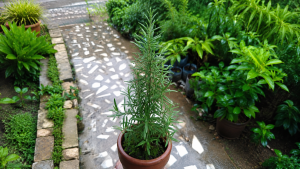
Growing a rosemary plant is relatively simple when you provide the right combination of sunlight, soil, drainage, and watering.
You can grow rosemary from seeds, cuttings, or young nursery plants. For beginners, purchasing a healthy young plant is often the easiest way to get started.
Choose the Right Location
Select a location that receives plenty of direct sunlight and has excellent drainage. Rosemary does not like sitting in wet soil for long periods.
If planting outdoors, choose a sunny location near a wall, patio, or other warm area if your climate is suitable.
Prepare the Soil
Rosemary grows best in loose, well-draining soil. Heavy clay soil that holds too much water can increase the risk of root problems.
If your garden soil is heavy, consider improving drainage by adding suitable organic matter or growing rosemary in a raised bed or container.
Plant Rosemary
Dig a hole slightly larger than the plant’s root ball. Place the rosemary plant at approximately the same depth as it was growing in its original container.
Fill the hole with soil and gently press around the base of the plant. Water thoroughly after planting, but avoid keeping the soil constantly wet.
Give each plant enough room for air circulation and mature growth.
How Much Sun Does a Rosemary Plant Need?
A rosemary plant grows best in full sun and generally prefers at least six hours of direct sunlight per day.
More sunlight often helps rosemary develop strong growth and a concentrated fragrance.
If your rosemary plant is growing indoors, place it near the brightest sunny window available. A south-facing window may provide good natural light in many homes, although indoor light levels vary.
Insufficient sunlight can lead to weak, stretched growth and less vigorous plants.
For outdoor rosemary, choose the sunniest part of your garden whenever possible.
What Soil Is Best for a Rosemary Plant?
The best soil for a rosemary plant is well-draining soil that does not remain wet for long periods.
Rosemary naturally grows in Mediterranean environments where the soil is often relatively dry and well drained. For this reason, excessive moisture is usually a greater concern than dry conditions.
Container-grown rosemary should be planted in a quality potting mix that drains well. Make sure the container has drainage holes at the bottom.
Avoid placing a rosemary plant in a pot without drainage holes because excess water can accumulate around the roots.
How Often Should You Water a Rosemary Plant?
One of the most common mistakes when caring for a rosemary plant is overwatering.
Rosemary is relatively drought-tolerant once established and generally prefers the soil to dry somewhat between waterings.
For plants growing outdoors, watering frequency depends on:
- Temperature
- Rainfall
- Soil type
- Plant size
- Container size
- Growing location
Instead of following a strict watering schedule, check the soil before watering. If the upper layer of soil feels dry, it may be time to water.
Water deeply when necessary, then allow excess water to drain away.
Container-grown rosemary may need more frequent watering than plants growing in the ground because containers dry out faster.
How to Care for a Rosemary Plant
Proper rosemary plant care is mostly about providing conditions similar to the plant’s natural Mediterranean environment.
Provide Plenty of Sunlight
Keep rosemary in a bright, sunny location with plenty of direct light.
Avoid Overwatering
Allow the soil to dry somewhat between waterings. Constantly wet soil can cause serious root problems.
Use Well-Draining Soil
Good drainage is essential for healthy roots and strong growth.
Improve Air Circulation
Avoid overcrowding rosemary plants. Good airflow can help reduce moisture-related problems.
Fertilize Carefully
Rosemary generally does not require heavy fertilization. Excessive fertilizer can encourage weak growth and may reduce the plant’s natural fragrance.
If the plant is growing in poor soil or a container, a balanced fertilizer used according to the product instructions may be helpful during active growth.
How to Grow a Rosemary Plant Indoors
Growing a rosemary plant indoors can be a convenient option for gardeners who live in colder climates or simply want fresh herbs close to the kitchen.
Choose a sunny window that receives several hours of direct sunlight each day.
Use a container with drainage holes and well-draining potting soil. Avoid placing the plant in a dark corner or an area with poor air circulation.
Indoor rosemary plants can be more vulnerable to overwatering because indoor soil may dry more slowly than outdoor soil. Always check the soil before watering.
If natural light is insufficient, a suitable grow light may help provide additional illumination.
How to Grow a Rosemary Plant Outdoors
In warm climates, rosemary can grow outdoors year-round. In colder areas, the plant may need winter protection or should be grown in a container that can be moved indoors.
When growing rosemary outdoors, choose a sunny location with excellent drainage.
Space plants appropriately to allow air circulation and room for mature growth.
Once established, rosemary can tolerate periods of dry weather. However, newly planted rosemary should receive adequate water while its roots become established.
How to Prune a Rosemary Plant
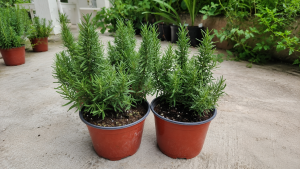
Regular pruning can help maintain the shape and size of a rosemary plant while encouraging fuller growth.
The best time to prune is generally during active growth. Use clean, sharp pruning shears to remove overgrown or unwanted branches.
You can also harvest young stems regularly, which naturally helps keep the plant compact.
Avoid cutting too deeply into old, woody stems because rosemary may not always produce strong new growth from heavily aged wood.
If your plant becomes large and woody, focus on light, regular pruning rather than removing too much growth at once.
How to Harvest Rosemary
You can harvest rosemary throughout the growing season once the plant is well established.
To harvest, simply cut healthy stems with clean scissors or pruning shears.
For the best flavor, many gardeners prefer harvesting young, tender stems. You can use fresh rosemary immediately or dry it for longer-term storage.
To dry rosemary, gather small bundles and place them in a dry, well-ventilated location away from direct sunlight. Once completely dry, remove the leaves from the stems and store them in an airtight container.
Fresh rosemary can be used in many recipes, including roasted potatoes, vegetables, meats, soups, and homemade bread.
Common Rosemary Plant Problems
Although rosemary is generally easy to grow, it can experience problems when growing conditions are unsuitable.
Yellow Leaves
Yellowing leaves may be associated with excessive moisture, poor drainage, or other growing conditions.
Check the soil and make sure the container or planting area drains properly.
Wilting
Wilting can occur because of underwatering, root problems, extreme heat, or transplant stress.
Check the soil moisture and inspect the roots if the problem continues.
Root Problems
Constantly wet soil is one of the biggest risks for rosemary. Poor drainage can create conditions that damage the root system.
Improving drainage and avoiding excessive watering can help prevent these problems.
Leggy Growth
A rosemary plant that becomes tall and sparse may not be receiving enough sunlight or may need pruning.
Move container plants to a brighter location and prune lightly to encourage a more compact shape.
How Long Does a Rosemary Plant Live?
Under suitable growing conditions, a rosemary plant can live for many years.
In warm climates where winter temperatures remain mild, rosemary can become a long-lived evergreen shrub.
In colder climates, rosemary may be damaged by freezing temperatures. Growing the plant in a container allows gardeners to move it indoors or to a protected location when cold weather arrives.
Providing good drainage, adequate sunlight, and proper watering can help your rosemary plant remain healthy for many seasons.
Can Rosemary Plants Survive Winter?
Whether a rosemary plant can survive winter depends largely on the local climate and the specific variety.
In mild climates, rosemary can often remain outdoors throughout winter.
In colder regions, freezing temperatures may damage or kill the plant. Gardeners in these areas can grow rosemary in containers and move the plants indoors before severe cold arrives.
If you live in an area with cold winters, check the recommended hardiness information for your specific rosemary variety and local growing zone.
Frequently Asked Questions About Rosemary Plants
Does rosemary need full sun?
Yes. Rosemary generally grows best in a location with plenty of direct sunlight. Aim for at least six hours of sunlight per day when possible.
How often should I water a rosemary plant?
Water when the soil has dried somewhat rather than keeping it constantly moist. The exact frequency depends on temperature, soil, rainfall, and whether the plant is growing indoors or outdoors.
Can I grow rosemary indoors?
Yes. Rosemary can be grown indoors in a sunny location with good air circulation and well-draining soil.
Is rosemary easy to grow?
Yes. Rosemary is generally considered an easy herb to grow when it receives plenty of sunlight and is planted in well-draining soil.
Why is my rosemary plant turning brown?
Brown foliage can result from several factors, including watering problems, root damage, extreme temperatures, or unsuitable growing conditions. Check the soil moisture and drainage first.
Can rosemary grow in pots?
Yes. Rosemary grows very well in containers as long as the pot has drainage holes and the soil drains well.
How do I make my rosemary plant bushier?
Regularly harvesting young stems and performing light pruning can help maintain a fuller, more compact shape. Adequate sunlight is also important for healthy growth.
Conclusion
The rosemary plant is an excellent choice for gardeners who want an attractive, fragrant, and useful herb. With plenty of sunlight, well-draining soil, and careful watering, rosemary can thrive in outdoor gardens and containers.
For gardeners in colder climates, growing rosemary in a pot can make it easier to protect the plant during winter. Regular harvesting and light pruning can also help maintain an attractive shape and provide a steady supply of fresh herbs.
Whether you are planting your first herb garden or adding another Mediterranean herb to your collection, learning how to properly care for a rosemary plant can help you enjoy its beauty and flavor for many years.