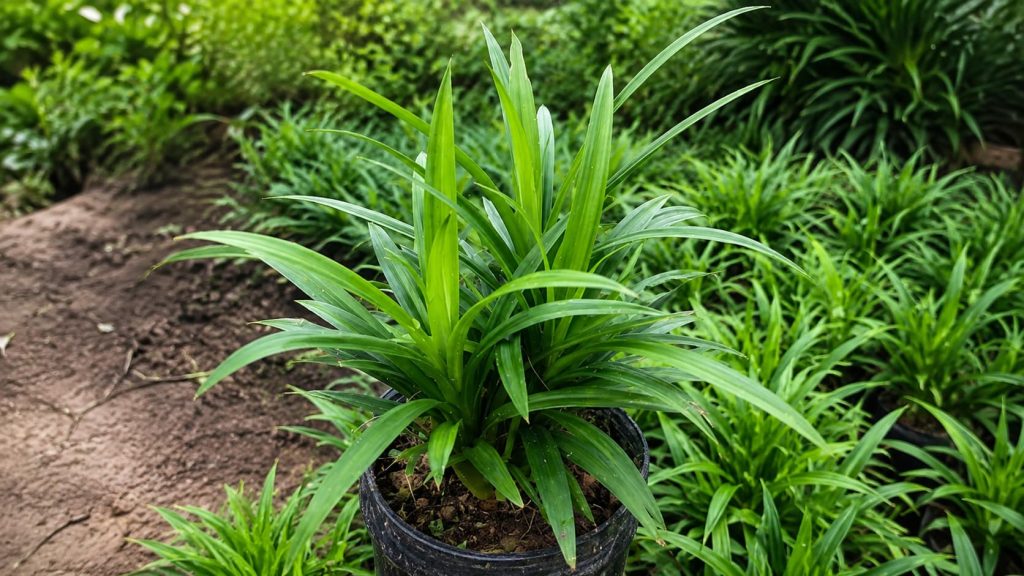
If you want to grow a flavorful herb that is easy to care for and useful in the kitchen, oregano is an excellent choice. Learning how to grow oregano is simple, even if you are a beginner gardener. Oregano is a hardy perennial herb that grows well in garden beds, containers, and even small indoor gardens.
With plenty of sunlight, well-draining soil, and moderate watering, oregano can produce fresh leaves throughout the growing season. Once established, this Mediterranean herb is relatively low-maintenance and can continue growing for years under the right conditions.
In this guide, you will learn everything you need to know about growing oregano, including how to plant oregano from seeds or cuttings, how much sunlight and water it needs, the best soil conditions, when to harvest oregano, and how to keep your plant healthy.
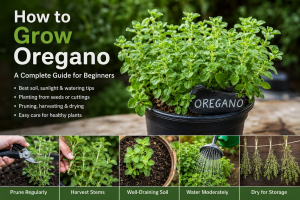
What Is Oregano?
Oregano is a popular culinary herb known for its strong, earthy, slightly peppery flavor. It belongs to the mint family and is commonly used in Italian, Greek, Mediterranean, and Mexican-inspired dishes.
The most common culinary varieties include Greek oregano, Italian oregano, and common oregano. Although the flavor can vary between varieties, most oregano plants have small, aromatic leaves and produce tiny flowers when allowed to bloom.
Oregano is also an attractive herb for the garden. Its small flowers can attract pollinators such as bees and butterflies, making it a useful addition to an herb garden or pollinator-friendly landscape.
One of the best things about oregano is that it is relatively easy to grow. Once the plant is established, it can tolerate periods of dry weather better than many other herbs.
How to Grow Oregano
Growing oregano successfully comes down to providing the right growing conditions. The plant prefers plenty of sunlight, warm temperatures, and soil that drains quickly.
Here are the basic requirements for growing oregano:
- Sunlight: At least 6 hours of direct sunlight per day
- Soil: Light, well-draining soil
- Water: Moderate watering; allow the soil to dry slightly between waterings
- Temperature: Warm conditions are ideal
- Spacing: About 8 to 12 inches between plants
- pH: Slightly acidic to neutral soil
- Harvest: Begin harvesting once the plant is well established
Oregano can be grown from seeds, cuttings, or young nursery plants. For beginners, purchasing a healthy young oregano plant is often the easiest way to get started.
How to Grow Oregano From Seeds
Growing oregano from seeds is inexpensive and gives you the opportunity to grow several plants at once. However, oregano seeds are very small, so they should be handled carefully.
Step 1: Choose the Right Container
If you are starting oregano seeds indoors, choose a small seed-starting tray or container with drainage holes.
Fill the container with a light, well-draining seed-starting mix. Avoid using heavy garden soil because it may retain too much moisture and make it difficult for young seedlings to grow.
Step 2: Sow the Seeds
Sprinkle the oregano seeds lightly over the surface of the soil. Oregano seeds are small and generally do not need to be planted deeply.
Press them gently into the soil and cover them with only a very thin layer of growing medium, or simply leave them near the surface.
Step 3: Keep the Soil Moist
Mist the soil gently with water. Keep the growing medium lightly moist but not waterlogged.
Place the container in a warm location with plenty of light. Oregano seeds may take several days to a few weeks to germinate, depending on growing conditions.
Step 4: Provide Plenty of Light
Once seedlings appear, give them plenty of sunlight. A bright, sunny windowsill can work well indoors.
If natural sunlight is limited, a suitable grow light can help seedlings develop strong growth.
Step 5: Transplant the Seedlings
When the young plants have developed several sets of true leaves and are strong enough to handle, they can be transplanted into larger containers or planted outdoors.
If moving them outdoors, gradually introduce them to outdoor conditions before planting them permanently.
How to Grow Oregano From Cuttings
Growing oregano from cuttings is another easy method and can be faster than starting from seed.
To grow oregano from a cutting, choose a healthy stem from an established plant. Cut a section approximately 4 to 6 inches long.
Remove the leaves from the lower portion of the stem, leaving several leaves at the top. Place the cutting in a container filled with moist, well-draining potting mix.
Keep the soil lightly moist and place the container in a bright location with indirect light while the cutting develops roots.
After the cutting has established a healthy root system, it can be transplanted into a larger container or planted in the garden.
Propagation from cuttings is especially useful if you already have a healthy oregano plant and want to create additional plants.
Where to Plant Oregano
Choosing the right location is one of the most important steps when learning how to grow oregano.
Oregano grows best in a location that receives plenty of sunlight. Choose a spot that receives at least 6 hours of direct sunlight each day.
A sunny garden bed, raised bed, patio container, or balcony planter can all work well.
Oregano also benefits from good air circulation. Avoid planting it in an area where water collects after rain or where the soil stays constantly wet.
Because oregano is a perennial herb in suitable climates, choose a location where you are happy to let it grow for several years.
How Much Sunlight Does Oregano Need?
Oregano is a sun-loving herb.
For the strongest growth and best flavor, aim to provide at least 6 hours of direct sunlight per day. In many climates, oregano can tolerate even more sunlight if the soil drains well and the plant receives enough moisture during hot weather.
If your oregano plant does not receive enough light, it may become thin and leggy. The leaves may also be smaller, and the plant may not develop as vigorously.
When growing oregano indoors, place the pot near a bright south-facing or west-facing window if possible.
Rotate the container occasionally so the plant grows evenly.
Best Soil for Growing Oregano
Oregano prefers soil that drains quickly.
The biggest mistake many gardeners make is planting oregano in heavy, poorly draining soil. Excess moisture around the roots can lead to root problems and weak growth.
A good growing medium should be loose and well-draining. If your garden soil is heavy, consider improving it with organic matter or growing oregano in a raised bed or container.
For container gardening, choose a high-quality potting mix that drains well. A container with drainage holes is essential.
Oregano does not require extremely rich soil. In fact, excessive fertilizer can encourage soft, leafy growth that may not have the strongest flavor.
How Often Should You Water Oregano?
Oregano is relatively drought-tolerant once established, but young plants need consistent moisture while they develop their roots.
Water newly planted oregano when the top layer of soil begins to dry.
Once the plant is established, allow the soil to dry slightly between waterings. Avoid keeping the soil constantly wet.
The exact watering frequency depends on your climate, soil type, container size, and weather conditions.
During hot, dry weather, container-grown oregano may need water more frequently than oregano planted directly in the ground.
A simple way to check whether your oregano needs water is to feel the soil with your finger. If the top inch of soil feels dry, it may be time to water.
Water deeply enough to moisten the root zone, then allow excess water to drain away.
How to Grow Oregano in Pots
Oregano is an excellent herb for container gardening.
Choose a container that has drainage holes and is large enough to accommodate the plant’s root system. A pot that is at least 8 to 12 inches wide is a good starting point for one oregano plant.
Fill the container with a well-draining potting mix and place it in a sunny location.
Container-grown oregano can be placed on a patio, balcony, deck, or sunny windowsill.
One advantage of growing oregano in pots is that you can easily move the plant to a more suitable location if weather conditions change.
However, containers dry out faster than garden soil, so check the moisture level regularly during hot weather.
How to Grow Oregano Indoors
Growing oregano indoors is possible as long as the plant receives enough light.
Choose a sunny windowsill where the plant can receive several hours of direct sunlight each day.
Use a container with drainage holes and a well-draining potting mix. Avoid placing the pot in a location where water can collect underneath it.
Indoor oregano generally grows best when the air is warm and the plant receives good air circulation.
If your home does not receive enough natural sunlight, you can supplement the available light with a grow light.
Keep the plant away from extremely cold drafts and avoid placing it directly next to heating vents.
How to Fertilize Oregano
Oregano generally does not require heavy feeding.
If the plant is growing in reasonably fertile soil, you may not need to fertilize it frequently.
Overfertilizing can encourage rapid, soft growth and may reduce the intensity of the herb’s flavor.
If your oregano appears weak or growth is slow, a light application of a balanced fertilizer during the growing season may help.
Always follow the instructions on the fertilizer label and avoid applying more than recommended.
For container-grown oregano, nutrients can gradually become depleted from the potting mix, so occasional feeding may be helpful.
How to Prune Oregano
Regular pruning helps oregano stay compact, bushy, and productive.
Once the plant has developed enough growth, you can begin trimming the stems. Use clean scissors or garden shears to remove the top portions of the stems.
Avoid removing too much of the plant at once. A good rule is to harvest or prune only a portion of the plant at one time.
If your oregano becomes tall and leggy, cut back the stems to encourage new growth.
Pruning also prevents the plant from becoming overly woody and helps maintain a more attractive shape.
The best time to prune heavily is generally during active growth.
When to Harvest Oregano
You can harvest oregano once the plant is established and has plenty of healthy growth.
For the best flavor, many gardeners prefer to harvest oregano just before the plant flowers. At this stage, the leaves often have a strong aroma and flavor.
Use clean scissors to cut stems rather than pulling individual leaves from the plant.
Harvesting the stems encourages the plant to produce more branches and new growth.
Avoid harvesting too much at once, especially from young plants. Leave enough foliage for the plant to continue photosynthesizing and growing.
Regular harvesting can actually help keep oregano plants bushier and more productive.
How to Dry Fresh Oregano
Drying is one of the easiest ways to preserve oregano for long-term use.
To dry oregano, first harvest healthy stems and gently remove any dirt. Avoid washing the leaves unless necessary, because excess moisture can make drying more difficult.
You can bundle several stems together and hang them in a warm, dry, well-ventilated location away from direct sunlight.
Another option is to use a food dehydrator according to the manufacturer’s instructions.
Once the leaves are completely dry and brittle, remove them from the stems and store them in an airtight container.
Keep dried oregano in a cool, dark place to help preserve its flavor and aroma.
Common Oregano Growing Problems
Although oregano is generally easy to grow, a few common problems can occur.
Yellow Leaves
Yellow leaves may be caused by overwatering, poor drainage, or other growing stress.
Check the soil moisture and make sure the container has adequate drainage.
Leggy Growth
If oregano becomes tall and thin, it may not be receiving enough sunlight.
Move the plant to a brighter location and prune the stems to encourage bushier growth.
Root Problems
Constantly wet soil can create problems for oregano roots.
Improve drainage and allow the soil to dry slightly between waterings.
Pests
Oregano can occasionally attract common garden pests such as aphids or spider mites.
Inspect the leaves regularly, especially the undersides. If you notice pests, remove heavily affected growth and use an appropriate treatment suitable for edible herbs.
Good air circulation and healthy growing conditions can also help reduce pest problems.
How to Keep Oregano Growing Healthy
To maintain a healthy oregano plant, follow these simple tips:
- Give the plant plenty of sunlight.
- Use well-draining soil.
- Avoid overwatering.
- Choose a container with drainage holes.
- Prune regularly to encourage bushier growth.
- Harvest stems instead of removing too many individual leaves.
- Avoid excessive fertilizer.
- Check plants regularly for pests.
- Allow good air circulation around the plant.
- Protect oregano from prolonged cold conditions when necessary.
These simple habits can help your oregano remain productive throughout the growing season.
Can Oregano Survive Winter?
Whether oregano survives winter depends on the variety and your local climate.
Many oregano varieties are perennial and can return year after year in suitable climates. In colder regions, the plant may die back during winter and regrow when temperatures rise in spring.
If you grow oregano in a container, consider moving the pot to a protected location during periods of severe cold.
In the garden, applying a light layer of mulch around the base of the plant can help protect the roots from extreme temperature changes.
Avoid covering the plant too heavily with wet material, as excessive moisture can create additional problems.
Frequently Asked Questions About Growing Oregano
How long does oregano take to grow?
Oregano can begin producing harvestable leaves within a few weeks after transplanting, although the plant may need several months to become fully established.
Plants grown from seed generally take longer to reach a useful size than young nursery plants or plants grown from cuttings.
Does oregano need full sun?
Yes. Oregano generally grows best in full sun and should receive at least 6 hours of direct sunlight per day for strong growth.
How often should I water oregano?
Water oregano when the top inch of soil becomes dry. Established plants prefer slightly dry conditions between waterings and generally do not like constantly wet soil.
Can oregano grow indoors?
Yes. Oregano can grow indoors in a sunny location. Place it near a bright window and use a well-draining pot with drainage holes.
Can I grow oregano in a container?
Yes. Oregano grows very well in containers. Choose a pot with drainage holes and place it in a sunny location.
Should I let oregano flower?
You can allow oregano to flower if you want to attract pollinators or enjoy the plant’s ornamental appearance. However, if your main goal is to harvest leaves for cooking, you may prefer to harvest before the plant reaches full bloom.
How do I make oregano bushier?
Regularly pinch or trim the growing tips. This encourages the plant to produce additional branches and develop a fuller shape.
Why is my oregano turning yellow?
Yellow leaves are often associated with overwatering or poor drainage, although other factors can also contribute. Check the soil moisture and make sure excess water can drain freely.
Does oregano come back every year?
Many oregano varieties are perennial and can return each year in suitable climates. In colder areas, the plant may need winter protection or may be grown as an annual.
What is the best way to harvest oregano?
Use clean scissors to cut stems just above a set of leaves. Harvesting the stems encourages new growth and helps keep the plant compact.
Final Thoughts on How to Grow Oregano
Learning how to grow oregano is easy, making this herb a great choice for beginner gardeners. Whether you grow it in a garden bed, raised bed, container, or indoors, oregano mainly needs sunlight, well-draining soil, and careful watering.
The most important thing to remember is to avoid overwatering. Oregano prefers conditions that are slightly on the dry side once the plant is established. Regular pruning and harvesting can also encourage bushier growth and provide you with a steady supply of fresh leaves.
With the right care, a single oregano plant can provide fresh herbs throughout the growing season and can often continue growing for years in suitable climates.
If you are starting an herb garden, oregano is one of the easiest and most rewarding herbs to grow. Plant it in a sunny location, give it good drainage, harvest it regularly, and enjoy fresh oregano in your favorite homemade meals.