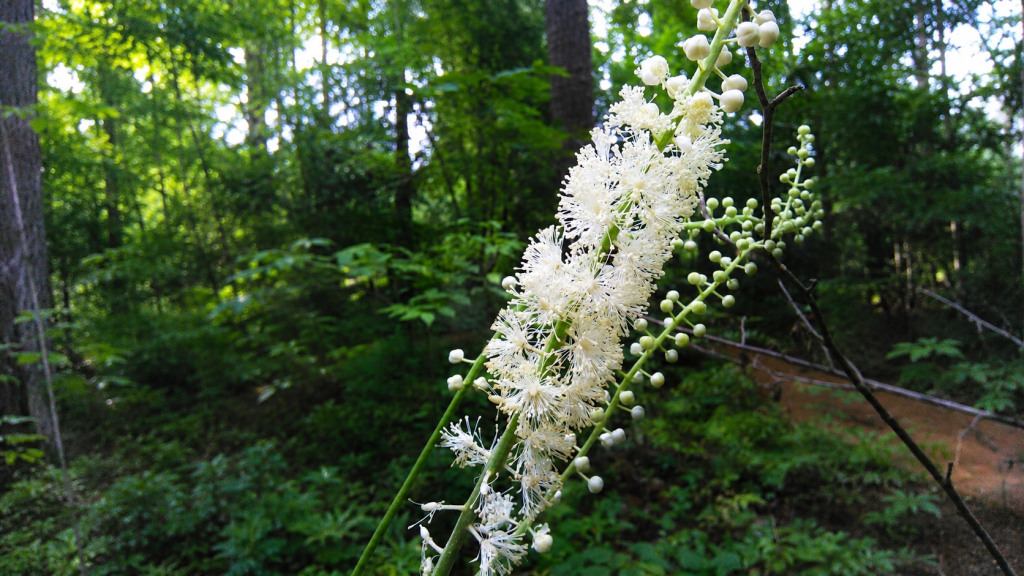
Black cohosh is a perennial plant native to eastern North America, where it naturally grows in rich, moist woodland environments. Known for its tall flower spikes, attractive foliage, and preference for partial shade, this plant is a popular choice for woodland and shade gardens.
Scientifically known as Actaea racemosa, black cohosh also has a long history of traditional herbal use. Today, it is best known as an ingredient in some dietary supplements marketed for women’s health, particularly those intended to support people experiencing menopause-related symptoms such as hot flashes.This guide explains what black cohosh is, its potential benefits, common uses, how to grow it successfully, important safety considerations, and frequently asked questions.
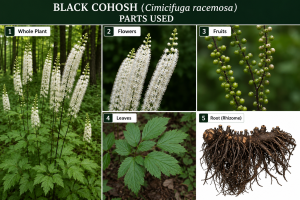
Table of Contents
- 1. What Is Black Cohosh?
- 2. A Brief History of Black Cohosh
- 3. Potential Benefits of Black Cohosh
- 4. How to Use Black Cohosh
- 5. How to Grow Black Cohosh
- 6. When Does Black Cohosh Bloom?
- 7. Black Cohosh and Wildlife
- 8. Important Safety Considerations
- 9. Black Cohosh vs. Blue Cohosh
- 10. How to Choose a Black Cohosh Product
- Final Thoughts
- Frequently Asked Questions About Black Cohosh
1. What Is Black Cohosh?
Black cohosh is a herbaceous perennial belonging to the buttercup family, Ranunculaceae. Its scientific name is Actaea racemosa. The plant was previously classified under the name Cimicifuga racemosa.
It is native to eastern North America and naturally grows in forests, woodland edges, and other areas with filtered sunlight. Black cohosh typically prefers rich, organic soil that remains consistently moist but drains well.
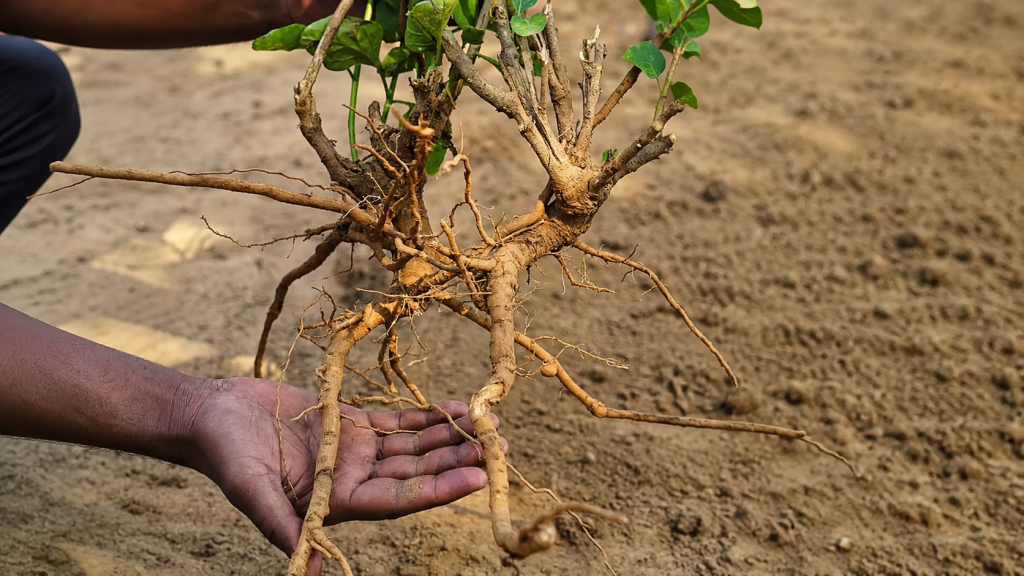
The underground roots and rhizomes are the parts traditionally used in herbal preparations. Modern supplements may contain extracts made from these plant parts.
Black cohosh is sometimes confused with blue cohosh because of their similar common names. However, they are completely different plants and should not be considered interchangeable.
2. A Brief History of Black Cohosh
Black cohosh has a long history of traditional use in North America. Indigenous peoples used the plant for various traditional purposes, and it later became known in Western herbal practices.
Over time, black cohosh became particularly associated with women’s health. Its popularity increased as herbal practitioners explored its traditional use during different stages of women’s lives.
However, traditional use does not automatically prove that a plant is effective for a particular health condition. Scientific research is needed to determine whether a plant provides measurable benefits and to better understand its potential risks.
3. Potential Benefits of Black Cohosh
Black cohosh is primarily studied for its possible effects on menopause-related symptoms. Research results have been inconsistent, and the effects may depend on the specific extract or formulation used.
May Help With Some Menopause Symptoms
Some studies have suggested that certain black cohosh preparations may help improve some menopause symptoms. However, other research has not found clear benefits compared with placebo.
One reason for the inconsistent findings may be that black cohosh supplements are not all made in the same way. Different products can contain different extracts, concentrations, and combinations of ingredients.
Black cohosh may be worth discussing with a healthcare professional as one possible herbal option, but it should not be considered a guaranteed solution.
May Help With Hot Flashes
Some research suggests that certain black cohosh preparations may help reduce the frequency or severity of hot flashes in some people. However, the overall evidence remains mixed.
People experiencing frequent or severe hot flashes should consider speaking with a healthcare professional. An evaluation may help identify appropriate treatment options and rule out other potential causes.
May Support Menopause-Related Well-Being
Menopause can affect more than body temperature. Some people experience changes in sleep, mood, energy, and overall comfort.
Because black cohosh has been studied for menopause-related symptoms, it is sometimes included in herbal products designed to support women’s wellness.
However, evidence is not strong enough to consider black cohosh a proven treatment for every symptom associated with menopause, particularly mood disorders such as anxiety or depression.
Anyone experiencing significant or persistent changes in mood should seek appropriate professional support.
Contains Naturally Occurring Plant Compounds
Like many medicinal plants, black cohosh contains naturally occurring compounds that researchers continue to study.
Scientists have investigated how these compounds may interact with biological pathways associated with menopause symptoms. However, the exact mechanisms behind the potential effects of black cohosh are still not completely understood.
More research is needed to determine which compounds may be responsible for potential benefits and whether different extracts have different effects.
4. How to Use Black Cohosh
Black cohosh is most commonly available as a dietary supplement.
Products may come in the form of capsules, tablets, liquid extracts, or other preparations. The roots and rhizomes are the plant parts traditionally used in these products.
There is no single standard amount that applies to every black cohosh supplement. Products can differ considerably in extract type and concentration.
If you choose to use black cohosh, follow the instructions provided by the manufacturer. Do not assume that taking a larger amount will provide greater benefits.
Product quality is also important. Look for supplements that clearly identify the botanical name, plant part used, extract information, and manufacturer.
People who take prescription medications or other supplements should talk with a doctor or pharmacist before using black cohosh.
5. How to Grow Black Cohosh
Black cohosh is an excellent choice for woodland gardens, shade borders, and naturalized landscapes. It is relatively low-maintenance once established, but providing the right growing conditions is important.
Choose the Right Location
Black cohosh generally prefers partial shade or filtered sunlight.
A location beneath tall trees can provide suitable conditions. In warmer climates, protecting the plant from strong afternoon sunlight can help prevent excessive stress.
Avoid planting black cohosh in areas exposed to intense sunlight all day, especially in hot climates.
Prepare Rich, Moist Soil
The plant grows best in soil rich in organic matter.
Before planting, mix compost or well-decomposed organic material into poor soil. The goal is to create soil that holds moisture without becoming waterlogged.
Planting Black Cohosh
Black cohosh can be grown from seeds or propagated by dividing established plants.
Growing from seed can be slow, so patience is important. Young plants may take time to become established.
Watering
Consistent moisture is important, especially during the first growing season.Water newly planted black cohosh regularly and check the soil during periods of hot or dry weather.At the same time, do not allow the plant to sit in standing water. Excessive moisture and poor drainage can cause root problems.
Mulching
Mulching is particularly useful when growing black cohosh.
Apply a layer of organic mulch, such as shredded leaves or composted bark, around the plant. Mulch helps conserve moisture, moderate soil temperature, and reduce competition from weeds.
Growing tip: Leave a small gap between the mulch and the plant crown to reduce the risk of excessive moisture buildup.
Supporting Tall Flower Stalks
Black cohosh can produce tall flower stalks that may become unstable in windy areas.
If necessary, use discreet plant supports to keep the stems upright.
Growing tip: Install supports early in the growing season, before the flower stalks become tall and difficult to manage.
Propagation Tip
If you want to expand your planting, division can be a practical option for established plants.
Divide mature plants during a suitable period when temperatures are moderate and soil moisture is stable. Replant the divisions immediately and keep the soil consistently moist while they establish.
6. When Does Black Cohosh Bloom?
Black cohosh generally blooms during the summer, although the exact timing depends on climate and growing conditions.
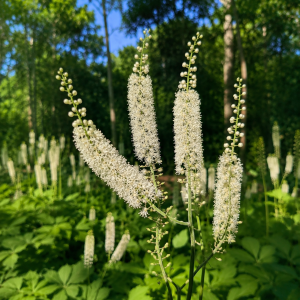
Its tall flower stalks rise above the foliage and produce long clusters of small white flowers. These flowers provide a strong vertical element in shaded gardens.
Black cohosh can look particularly attractive when planted in groups or combined with other woodland perennials.
After flowering, the plant continues to provide foliage interest before naturally entering dormancy later in the year.
7. Black Cohosh and Wildlife
Black cohosh can contribute to a diverse garden environment.
Its flowers may attract insects and some pollinators, making it a useful addition to gardens designed to support biodiversity.
For a more wildlife-friendly landscape, consider combining black cohosh with other native or regionally appropriate plants that bloom at different times throughout the growing season.
Because black cohosh naturally grows in woodland environments, it works particularly well in naturalistic gardens beneath trees and alongside other shade-loving species.
8. Important Safety Considerations
Although black cohosh is a natural plant, natural products are not automatically risk-free.
Black cohosh has generally been well tolerated in many studies, but rare cases of liver damage have been reported among people taking products labeled as black cohosh.
It is not always clear whether black cohosh itself was responsible. Other factors, including product contamination or incorrect ingredients, may have played a role.
Reported side effects may include stomach discomfort, cramping, headache, rash, or vaginal spotting or bleeding.
Anyone who develops unusual or concerning symptoms while using a black cohosh supplement should stop using the product and seek medical advice.
Pregnancy and Breastfeeding
The safety of black cohosh during pregnancy and breastfeeding is not well established.
People who are pregnant, planning to become pregnant, or breastfeeding should avoid using black cohosh unless advised by a qualified healthcare professional.
Liver Conditions
People with liver disease or a history of liver problems should be especially cautious.
Anyone with concerns about liver health should consult a healthcare professional before using black cohosh.
Hormone-Sensitive Conditions
People with certain hormone-sensitive conditions should speak with a healthcare professional before using black cohosh.
The plant’s effects on hormone-related biological pathways are not fully understood.
Medication Interactions
Herbal supplements may interact with medications.
If you regularly take prescription drugs, over-the-counter medicines, or other supplements, ask a doctor or pharmacist before using black cohosh.
9. Black Cohosh vs. Blue Cohosh
Black cohosh and blue cohosh are different plants.
Black cohosh is scientifically known as Actaea racemosa, while blue cohosh is Caulophyllum thalictroides.
Although they share the word “cohosh” in their common names, they have different botanical identities and should not be treated as interchangeable.
When purchasing an herbal product, always check the botanical name on the label to make sure you are getting the plant you intend to use.
10. How to Choose a Black Cohosh Product
If you are considering a black cohosh supplement, product quality is important.
Look for products that clearly identify the botanical name, plant part used, type of extract, and manufacturer.
Choose products from reputable manufacturers with appropriate quality-control practices when possible.
Different black cohosh products may not be equivalent. Research conducted on one specific extract does not necessarily apply to every product on the market.
Avoid assuming that a higher dose or more concentrated product is automatically better.
People with medical conditions, those taking medication, and anyone who is pregnant or breastfeeding should seek professional advice before using black cohosh.
Final Thoughts
Black cohosh is a distinctive North American perennial with a long history of traditional herbal use and continued interest in modern research. It is best known for its potential use in supporting menopause-related symptoms, particularly hot flashes, although scientific evidence remains mixed.
Anyone considering black cohosh as a dietary supplement should remember that herbal products can have potential risks and may not work the same way for everyone. Paying attention to product quality and seeking professional advice when necessary can help support safer use.
References: National Center for Complementary and Integrative Health (NCCIH), “Black Cohosh”; National Institutes of Health (NIH); U.S. National Library of Medicine (MedlinePlus). Information about potential benefits and safety is based on available research and may change as new evidence becomes available.
Frequently Asked Questions About Black Cohosh
- What is Black Cohosh?
Black Cohosh (Actaea racemosa) is a perennial plant native to eastern North America. It is known for its tall white flower spikes and is used in some herbal supplements. - What is Black Cohosh commonly used for?
It is commonly used in supplements intended to support menopause-related symptoms, especially hot flashes. - Can Black Cohosh help with hot flashes?
Some studies suggest that certain Black Cohosh preparations may help reduce hot flashes in some people, but research results remain mixed. - Can you grow Black Cohosh at home?
Yes. It grows well in partial shade, rich organic soil, and consistently moist conditions. - Does Black Cohosh need full sun?
No. It generally prefers partial shade or filtered sunlight and is well suited to woodland gardens. - How tall does Black Cohosh grow?
It can become a tall perennial, with flower stalks rising well above the foliage. Its size depends on climate and growing conditions.
GardenGuideHub.com