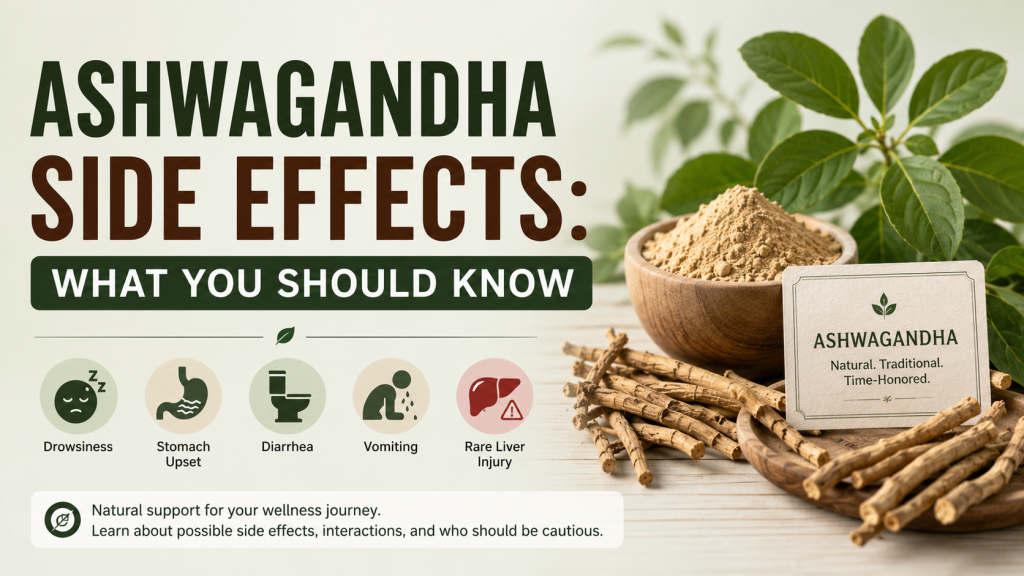
Black Cohosh Side Effects are generally mild when they occur, but some people may experience symptoms such as nausea, stomach discomfort, headache, rash, abdominal pain, or other digestive problems.
Black cohosh (Actaea racemosa) is commonly used in dietary supplements, particularly for menopause-related symptoms. Although clinical studies suggest that black cohosh is generally well tolerated, rare reports of liver problems have raised concerns about its safety.
However, it remains uncertain whether black cohosh itself was directly responsible for every reported case. Understanding the potential side effects of black cohosh can help people make more informed decisions about using this herbal supplement.
Table of Contents
- 1. Stomach Upset and Nausea
- 2. Headache
- 3. Skin Rash
- 4. Abdominal Discomfort and Cramping
- 5. Vaginal Spotting or Bleeding
- 6. Weight Gain
- 7. Possible Liver Problems
- 8. Concerns for People With Liver Disorders
- 9. Pregnancy and Breastfeeding
- 10. Possible Interactions With Medicines
- Who Should Be Especially Careful?
- Final Thoughts
1. Stomach Upset and Nausea
Digestive problems are among the mild adverse effects reported with black cohosh products. Some people may experience nausea, stomach discomfort, or other gastrointestinal symptoms after taking the supplement. These effects are generally considered mild, but they may be more noticeable in people who are sensitive to herbal products.
If digestive symptoms persist or become bothersome, it is reasonable to stop using the product and discuss the symptoms with a healthcare professional.
2. Headache
Headache has also been reported as a possible side effect of black cohosh. While headaches are common and can have many possible causes, people who notice a new or persistent headache after starting a supplement should consider whether the timing could be related.
Because herbal supplements may contain different extracts and formulations, reactions can also vary between products.
3. Skin Rash
Skin reactions, including rash, have been reported in connection with black cohosh use. A mild rash may be temporary, but any new or worsening skin reaction after starting an herbal supplement should be taken seriously.
If a rash is severe, spreads quickly, or occurs together with other concerning symptoms, medical evaluation is appropriate.
4. Abdominal Discomfort and Cramping
Some sources have reported abdominal discomfort or cramping among possible mild adverse effects associated with black cohosh. These symptoms may overlap with other digestive side effects and are not necessarily experienced by everyone who takes the herb.
People with ongoing abdominal pain should not automatically assume that the symptom is caused by black cohosh. Persistent or unexplained abdominal symptoms may have other causes and should be evaluated by a healthcare professional.
5. Vaginal Spotting or Bleeding
Vaginal spotting or bleeding has been reported among possible side effects of black cohosh. This is particularly important because unexpected vaginal bleeding can have many causes, especially around and after menopause.
Anyone experiencing unusual vaginal bleeding should seek medical advice rather than assuming it is simply a side effect of an herbal supplement. A healthcare professional can determine whether further evaluation is necessary.
6. Weight Gain
Weight gain has been reported as a possible mild adverse effect in some information sources concerning black cohosh. However, changes in body weight can be influenced by many factors, including age, menopause, diet, physical activity, sleep, and other medications or supplements.
Therefore, a change in weight while taking black cohosh does not necessarily mean that the herb is the direct cause.
7. Possible Liver Problems
The most important safety concern associated with black cohosh is the possibility of liver injury. Rare cases of liver damage, including some serious cases, have been reported in people taking products labeled as black cohosh. However, researchers have not established with certainty that black cohosh itself caused every reported case.
One possible explanation is that some commercial products may have contained the wrong herb, undisclosed ingredients, or mixtures that were not accurately represented on the label. Product quality may therefore be an important factor when evaluating reported cases of liver injury.
People who develop possible signs of liver problems while using black cohosh should seek medical attention. Warning signs can include dark urine, unusual fatigue, abdominal pain, or yellowing of the skin or eyes. These symptoms should not be ignored.
8. Concerns for People With Liver Disorders
People who already have liver disease or a history of liver problems should be particularly cautious with black cohosh. Because of the rare reports of liver injury associated with products labeled as black cohosh, it is advisable to discuss its use with a healthcare professional before taking the supplement.
This is especially important because dietary supplements can vary in their ingredients, concentrations, and manufacturing quality.
9. Pregnancy and Breastfeeding
Black cohosh may not be safe during pregnancy or breastfeeding. There is not enough reliable evidence to establish its safety in these situations. For this reason, people who are pregnant, planning to become pregnant, or breastfeeding should consult a qualified healthcare professional before using black cohosh products.
Black cohosh should also not be confused with blue cohosh (Caulophyllum thalictroides), which is a different plant with a different safety profile.
10. Possible Interactions With Medicines
The risk of interactions between black cohosh and medicines appears to be relatively small, but researchers have not ruled out all possible interactions. Preliminary research has raised questions about whether black cohosh could affect certain medicines, including some statin drugs, although the clinical significance of these findings is not fully established.
Anyone taking prescription medicines or multiple supplements should tell their healthcare provider about black cohosh use. This is particularly important when starting a new supplement or changing the amount taken.
Who Should Be Especially Careful?
Although black cohosh is generally well tolerated in clinical studies, certain people should seek professional advice before using it. This includes people with liver disorders, those who are pregnant or breastfeeding, and people taking prescription medicines. Individuals with a history of hormone-sensitive conditions should also discuss black cohosh with a healthcare professional because its safety in these circumstances remains uncertain.
It is also important to remember that different black cohosh supplements may not be identical. Some commercial products have been found to contain incorrect herbs or additional ingredients that were not listed on the label. This makes product quality an important consideration when assessing both potential benefits and risks.
Final Thoughts
Black Cohosh Side Effects are generally considered mild when they occur, with possible symptoms including stomach upset, nausea, headache, rash, abdominal discomfort, cramping, vaginal spotting or bleeding, and weight changes. However, the rare reports of liver injury deserve particular attention, even though a direct cause-and-effect relationship has not been established in every case.
For most people, black cohosh appears to have been well tolerated in clinical research lasting up to about one year. Nevertheless, safety can depend on individual health conditions and the quality of the product being used. Anyone with liver problems, those who are pregnant or breastfeeding, or people taking medications should discuss black cohosh with a healthcare professional before use.
If symptoms such as dark urine, unusual fatigue, abdominal pain, or yellowing of the skin or eyes appear while taking a black cohosh product, medical advice should be sought promptly. These symptoms may indicate a liver problem and should not be dismissed as a routine side effect.
References
- National Center for Complementary and Integrative Health (NCCIH). Black Cohosh: Usefulness and Safety.
- National Center for Complementary and Integrative Health (NCCIH). Menopausal Symptoms and Complementary Health Approaches.
- National Center for Complementary and Integrative Health (NCCIH). Menopausal Symptoms: In Depth.
-
National Cancer Institute / NCBI Bookshelf. Black Cohosh (PDQ®).