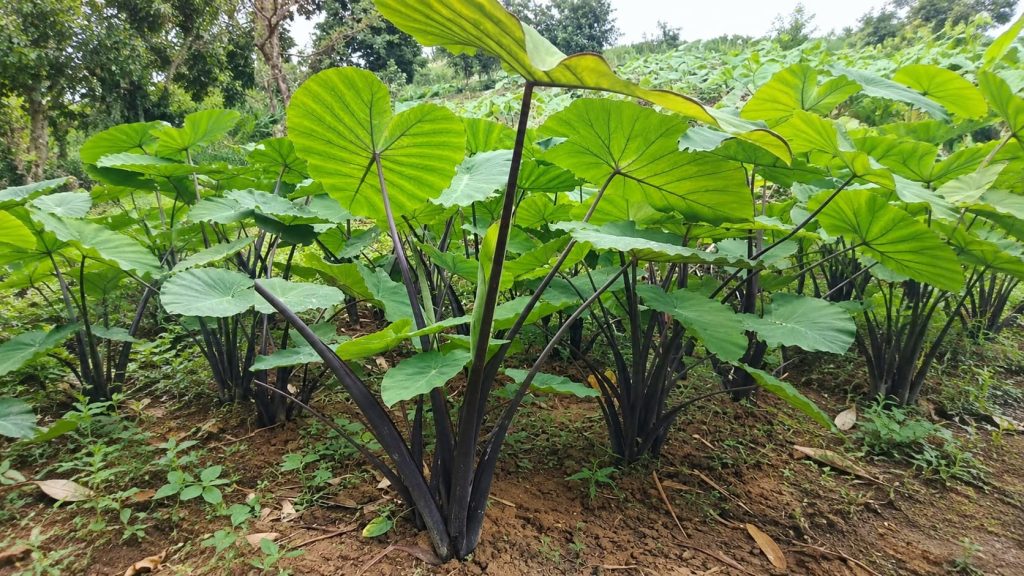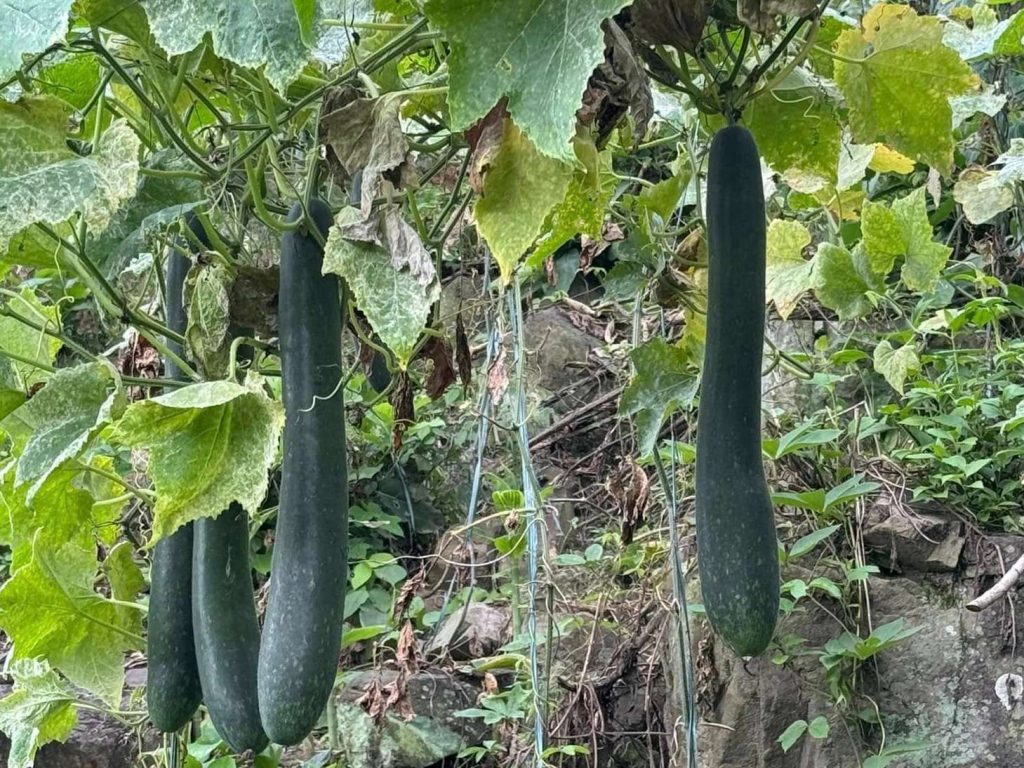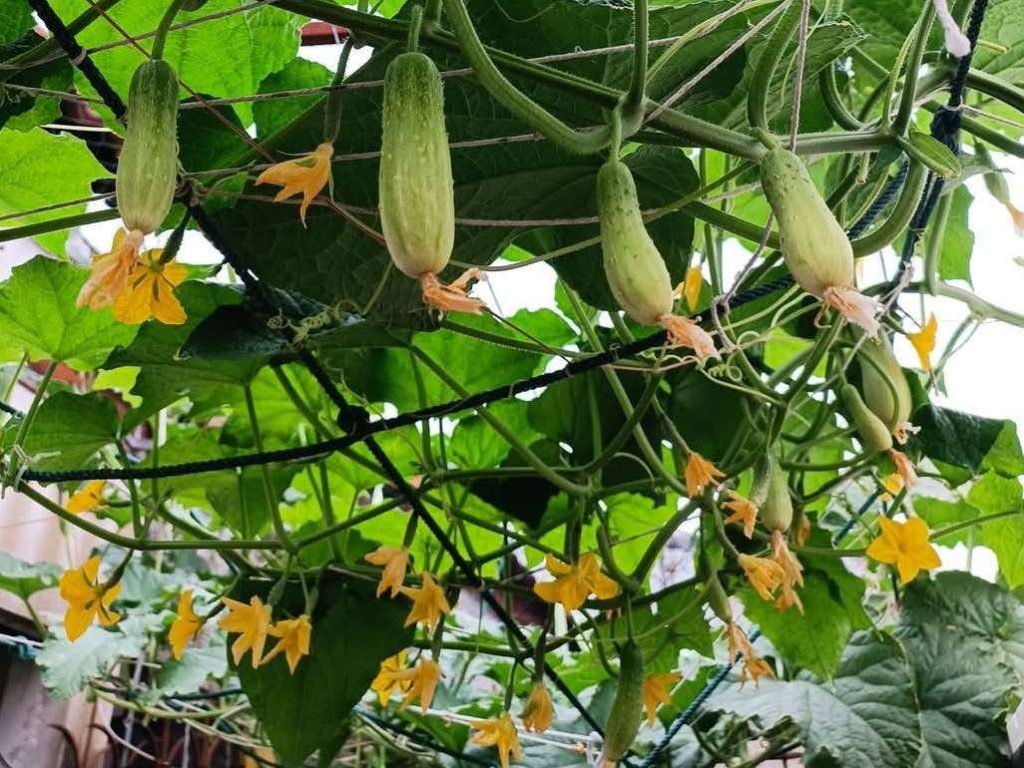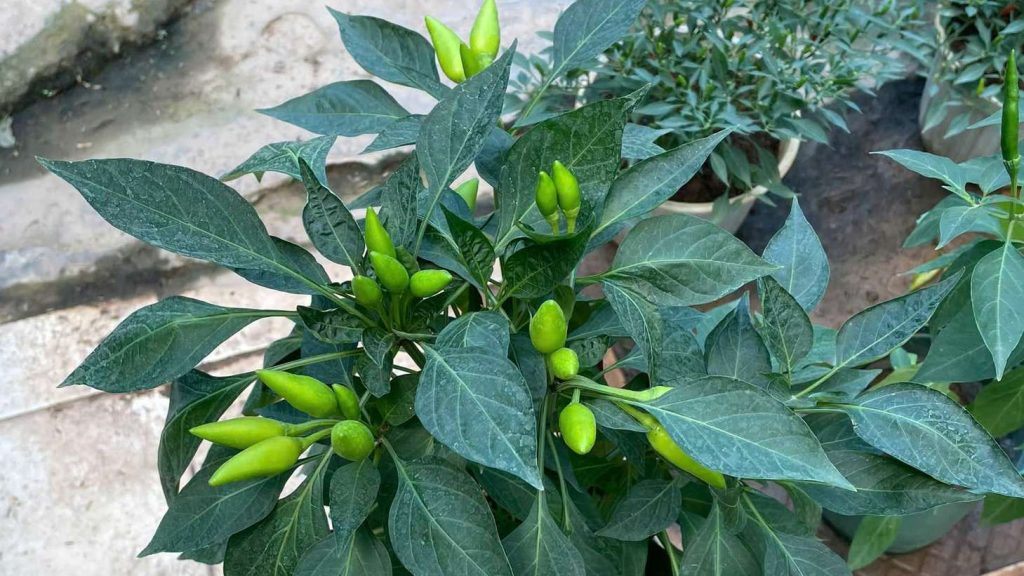
My garden is pretty small, so I feel a little funny showing it off all the time. Haha…
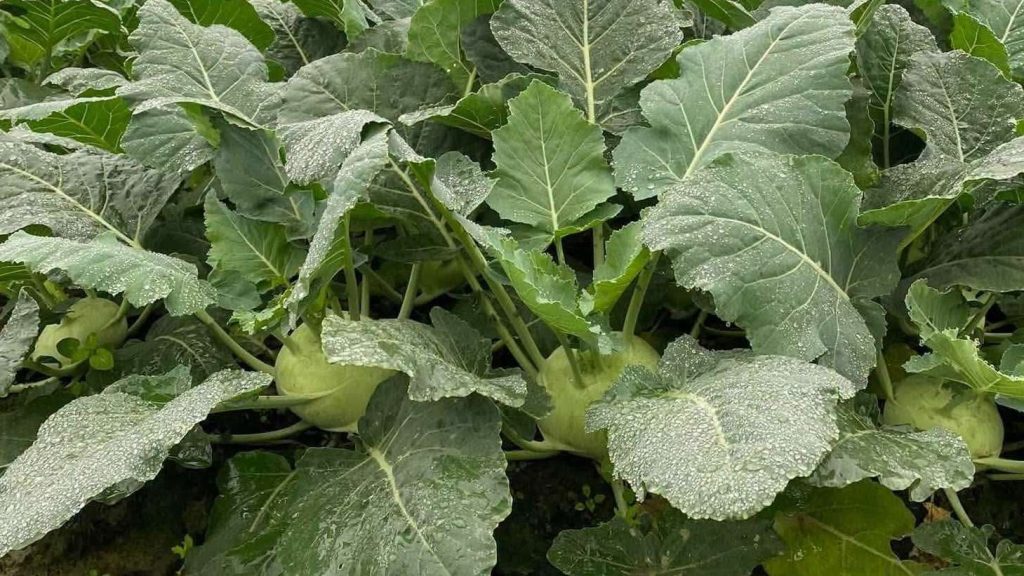
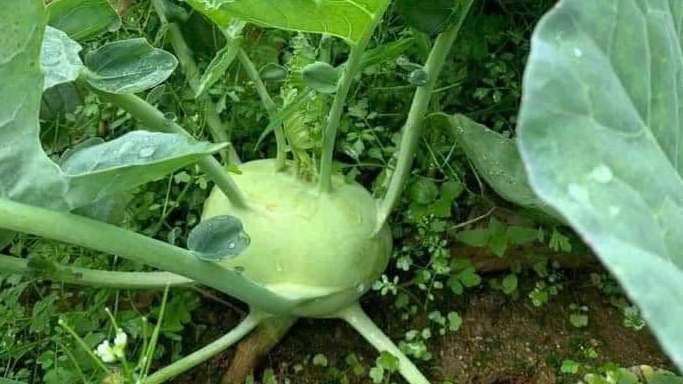
But these cabbage plants are just too cute as they grow, so I had to show them off again. In return, I’m sharing a little of what I’ve learned from growing and taking care of them.
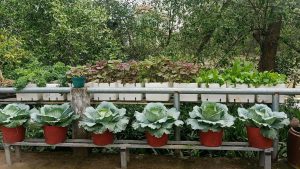
If you’re growing cabbage in a home garden or in containers, there are a few simple things worth paying attention to from the beginning.
Choosing the Right Time to Plant
Cabbage is a cool-season crop, so I wouldn’t try to grow it during very hot weather. When temperatures are comfortable, the plants usually grow more steadily and have a better chance of forming firm heads.
In the U.S. and Europe, the best planting time depends on the local climate. In colder areas, cabbage is often planted in early spring or late summer for a fall harvest. In areas with relatively mild winters, it can also be grown in fall and allowed to develop during the cooler weather.
| Climate | Common Planting Time |
|---|---|
| Cold climates | Early spring or late summer |
| Mild climates | Spring and fall |
| Mild-winter areas | Fall to early winter |
More important than remembering a specific date is paying attention to the weather where you live. If the plants start forming heads during a long stretch of hot weather, the heads may stay small, loose, or simply not develop as well as expected.
Give Container-Grown Cabbage Enough Room
Cabbage plants look pretty small when they’re young, but they spread out quite a bit as they mature. So if you’re growing cabbage in a container, don’t choose a pot that is too small.
For one plant, I recommend a container at least 10–12 inches in diameter, with good drainage holes. If you have more room, even better. A larger container can make it easier to maintain steady moisture around the roots.
The potting mix doesn’t have to be complicated either. I prefer a mix that is loose and drains well while still holding some moisture.
One simple mix you can try is:
5 parts soil + 3 parts well-rotted organic fertilizer + 1 part rice hulls + 1 part coco coir.
The organic fertilizer can come from well-composted cow, chicken, or other suitable manure. If you don’t have coco coir, other properly processed organic materials can also be used to help keep the soil loose and well aerated.
One important point is never to use fresh manure directly around the plants, especially with leafy vegetables. Manure should be properly composted and used correctly.
Don’t Let the Plants Dry Out
Cabbage produces a lot of leaves, so its water needs increase as the plant gets larger.
In the garden, a layer of organic mulch can help the soil hold moisture longer. Container-grown cabbage needs a little more attention because potting mix can dry out quickly, especially on hot or windy days.
I usually check the soil before watering instead of following a strict watering schedule. When the top layer starts to dry out, I water enough to moisten the root zone. At the same time, I make sure excess water can drain freely from the bottom of the container.
| Condition | What I Do |
|---|---|
| Cool weather and moist soil | I may not water yet |
| Hot and dry weather | Check the soil more often |
| Growing in containers | Watch for the soil drying quickly |
| Heavy rain | Water less and check drainage |
If you have a garden and regularly make compost or compost plant materials, those organic materials can be useful for improving the soil. Just make sure anything used around edible vegetables has been properly composted and fully broken down first.
Keep an Eye Out for Pests and Problems
Cabbage can run into some common problems, including aphids, caterpillars, and issues related to excessive moisture or poor drainage.

For caterpillars, I think the simplest method is still to check the plants regularly. Walk around the garden in the late afternoon or evening and look underneath the leaves. If you find caterpillars, remove them right away instead of letting a few turn into a much bigger problem.
Young plants especially need regular checking. It only takes a few days of being overlooked for the leaves to become heavily damaged.
For aphids, start by removing badly affected leaves and gently washing the plant with water when appropriate. You can also use pest-control products labeled for edible vegetables, following the instructions on the label carefully.
I used to make my own garlic and chili mixture for spraying plants. But when growing leafy vegetables for food, I think it’s better to be more careful and not assume that a homemade mixture is a guaranteed pest-control treatment. If you use any product, check that it is labeled for use on edible crops and follow the directions carefully.
Don’t Let Cabbage Stay Waterlogged
Another problem that beginners can easily run into is overwatering or using soil that drains poorly.
Cabbage likes consistent moisture, but the roots don’t want to sit in soggy soil all the time.
If the soil stays wet, water collects around the base of the plant, or the leaves start looking unusual, check the container and soil before watering again.
Sometimes the plant isn’t lacking fertilizer at all. The real problem may simply be that the roots are staying wet for too long.
When the Head Starts to Form
This is probably my favorite stage because you can see the plant changing almost every day.
As the young leaves in the center begin to curl inward and form a head, the plant needs steady moisture and nutrition. You can remove old or yellowing leaves that are no longer useful, but don’t remove too many healthy green leaves. Those leaves are still helping the plant produce energy through photosynthesis.
When cabbage is young, the leaves spread out beautifully, and sometimes the plant almost looks like an ornamental plant.
But once the head gets bigger, the outer leaves gradually start wrapping around the cabbage in the center.
That’s when you really feel like all the work from the beginning was worth it. 😆
A Few Final Thoughts
Honestly, I’ve only been living in the countryside for a few years. Before that, I lived in the city, so I definitely wouldn’t call myself an expert gardener.
The longer I grow plants, the more I realize that there isn’t always one perfect formula. Even with the same cabbage, the way you care for it may need to change depending on the climate, soil, sunlight, and growing conditions.
For me, the most important things are choosing a cool growing period, using well-drained soil, keeping moisture consistent, and checking regularly for pests and problems.
Healthy plants will do a lot of the work themselves. We just need to pay attention and make adjustments when something doesn’t look right.
If you’re growing cabbage and have a few good tips of your own, feel free to share them. Maybe I’ll learn a few new tricks and grow even bigger, healthier cabbage next time. 🥰